






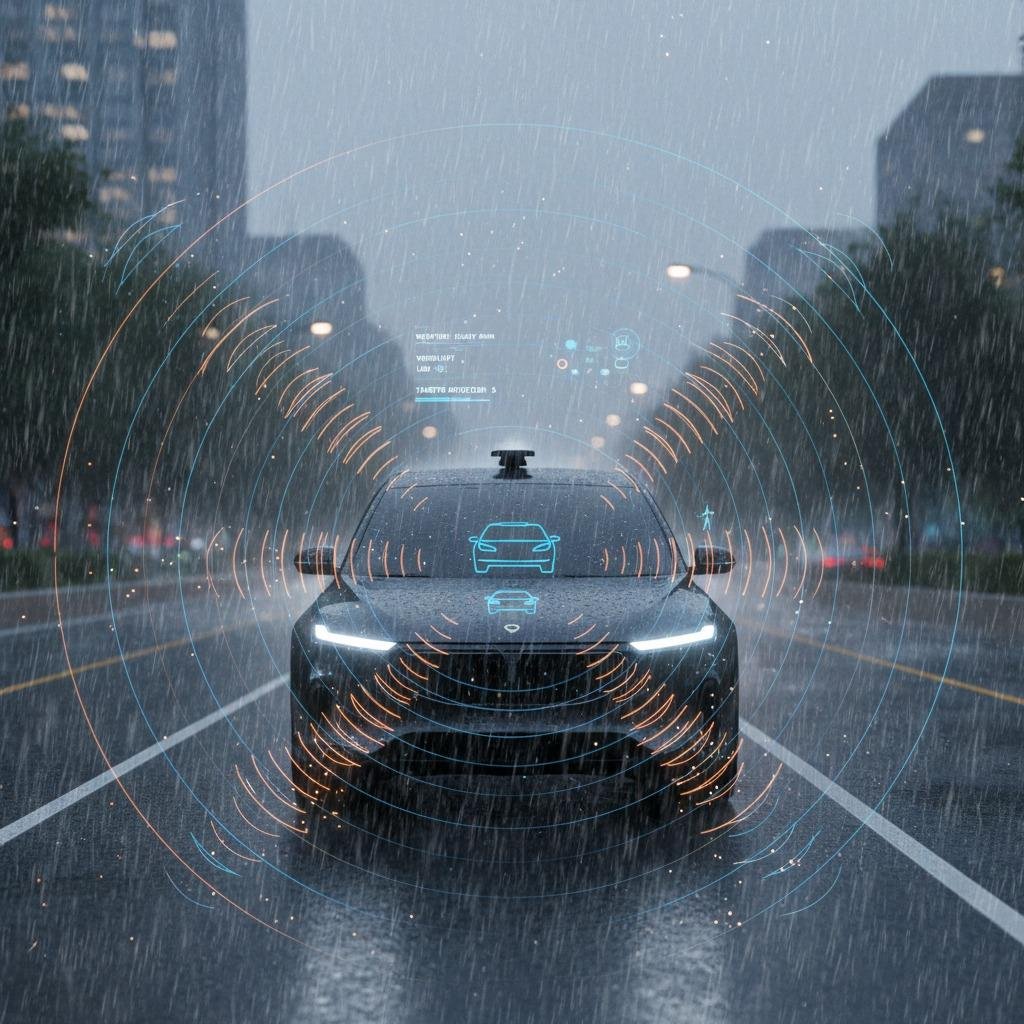
The Challenge of Environmental Interference in Sensing Technologies
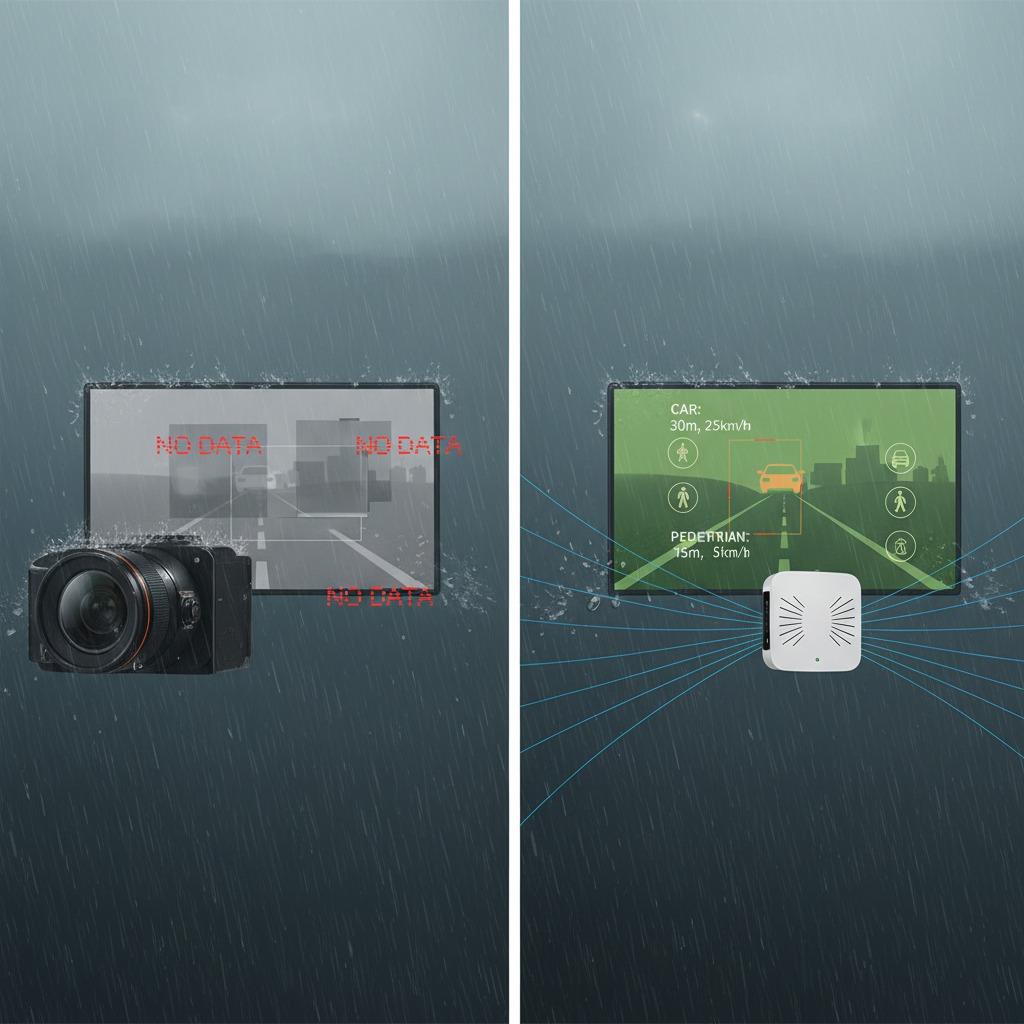
In today's fast-paced world of autonomous vehicles, security systems, and industrial automation, reliable sensing is crucial. However, a major problem arises when environmental factors like rain, fog, and dust degrade sensor performance. Clutter suppression emerges as a vital technology to combat this issue. Without effective clutter suppression, sensors can produce false readings, leading to safety risks and operational inefficiencies. Traditional optical sensors often fail in adverse weather, prompting the need for advanced solutions that ensure consistent performance.
Understanding Clutter and Its Impact on Operations
Clutter refers to unwanted echoes or signals that obscure true targets in radar systems. In low-visibility operation scenarios, such as heavy rain or dense fog, clutter from environmental particles can overwhelm sensors, causing delays or errors in detection. This is particularly problematic for applications requiring real-time responses, like drone navigation or traffic monitoring. Rain robustness becomes essential here, as water droplets create significant interference. Similarly, fog penetration is critical to maintain accuracy when visibility drops to near zero. Without proper mitigation, these conditions render systems unreliable, increasing costs from downtime and maintenance.
Advanced Solutions for All-Weather Sensing
To address these challenges, millimeter wave (mmWave) radar technology stands out with its inherent ability to handle tough environments. Clutter suppression algorithms integrated into mmWave radars filter out noise effectively, allowing for precise target identification even amidst clutter. For rain robustness, these systems use high-frequency waves that pass through precipitation with minimal attenuation, unlike cameras or LiDAR. Fog penetration is another strength, as mmWave signals propagate well in hazy conditions, ensuring low-visibility operation remains seamless. As a leading linpowave mmwave radar manufacturer, we specialize in developing radars that deliver all-weather sensing capabilities, combining robust hardware with sophisticated software for clutter suppression.
Implementing Clutter Suppression in Real-World Applications
Consider a smart city infrastructure where traffic radars must operate 24/7. Heavy rains often cause clutter, but with advanced clutter suppression, our mmWave radars maintain accuracy, enhancing rain robustness and enabling fog penetration for uninterrupted monitoring. In industrial settings, low-visibility operation due to dust or smoke is common; here, all-weather sensing from linpowave mmwave radar ensures safety by suppressing clutter and detecting obstacles reliably. By adopting these technologies, businesses can reduce false alarms and improve system uptime. Our solutions as a linpowave mmwave radar manufacturer focus on customizable integrations that prioritize these features, offering scalable options for diverse needs.
Benefits and Future of Robust Sensing Technologies
The advantages of effective clutter suppression extend beyond immediate problem-solving. Systems with strong rain robustness and fog penetration not only boost operational efficiency but also enhance safety in critical sectors like automotive and defense. Low-visibility operation becomes a non-issue, allowing for broader deployment in challenging climates. As innovations from linpowave mmwave radar manufacturer continue to evolve, all-weather sensing will become standard, minimizing environmental impacts on performance. Investing in these technologies addresses current pain points while paving the way for more resilient, future-proof applications. With clutter suppression at the core, sensing solutions can truly perform under any condition, driving progress and reliability across industries.