






Why energy-neutral operation is becoming a serious design target
Energy-neutral operation is no longer a nice-to-have concept reserved for lab demos and conference slides. In industrial sensing, remote monitoring, and connected devices, it is becoming a practical way to reduce maintenance, extend deployment time, and make systems more resilient where wired power is inconvenient or impossible. For engineers and sourcing teams, the real question is not whether the idea sounds good. It is whether a device can keep functioning with minimal intervention while still meeting the job requirements.
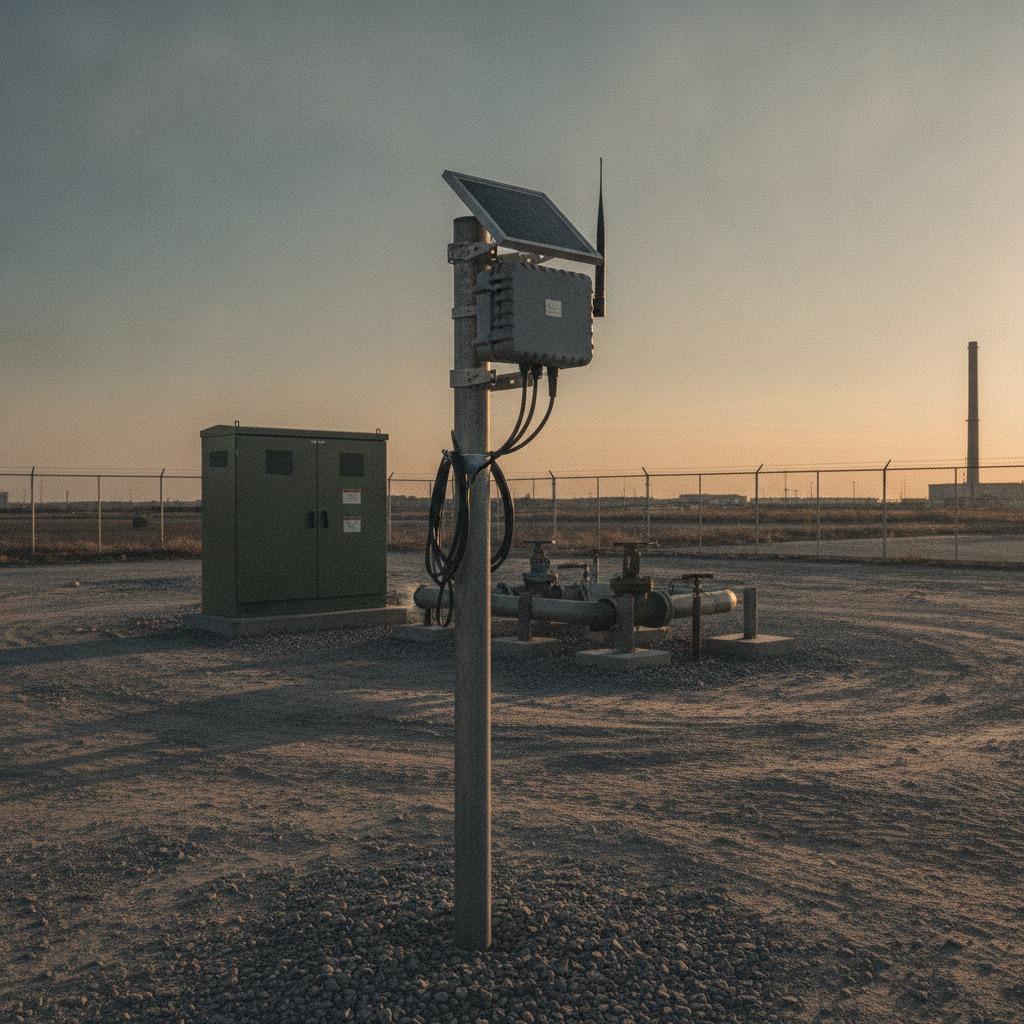
That matters because battery swaps, site visits, and downtime all carry hidden costs. A sensor network that looks inexpensive at purchase can become expensive the moment technicians need to service dozens or hundreds of nodes in hard-to-reach places. Energy-neutral operation addresses that problem by balancing a device’s energy use with the energy it harvests or conserves. The result is a system that can run for much longer, and in some cases continuously, without frequent human attention.
What the term actually means in practical terms
At a basic level, energy-neutral operation means the device consumes no more energy over time than it can gather from its environment. That environment might include sunlight, vibration, thermal gradients, RF energy, or even aggressive duty-cycling that keeps power demand extremely low. The exact mix depends on the application.
For buyers, the important distinction is between a concept and a usable design. A product that only works under ideal lighting or in a narrow temperature band may not be truly deployable. A more credible system pairs low-power electronics with careful power management, then uses intermittent sensing and intelligent wake-up sensing to avoid wasting energy on unnecessary activity. That is where the engineering starts to matter.
Where the biggest savings usually come from
Not every watt saved is saved the same way. In many field devices, the largest power draw comes from radios, always-on processing, and sensor elements that remain active when they do not need to be. A practical energy-saving design usually starts with the sensing strategy itself. If the system can sleep most of the time and wake only when a meaningful event occurs, the battery or harvested power goes much further.
Intelligent wake-up sensing
Intelligent wake-up sensing is useful when a system should remain dormant until a threshold, motion, presence, or environmental change is detected. This reduces wasted runtime and helps preserve energy for the moments that actually matter. For many industrial applications, that is the difference between a device that looks efficient on paper and one that survives in the field.
Solar-powered radar integration
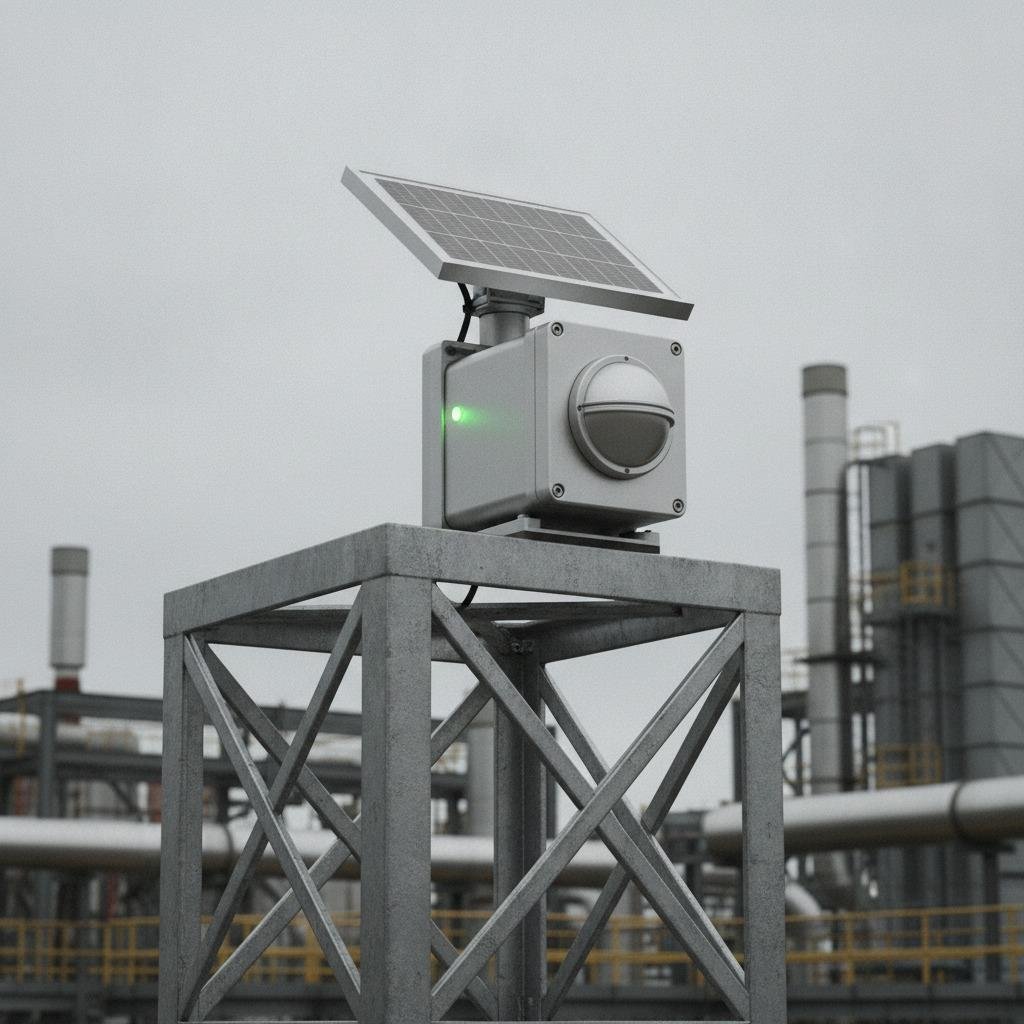
Solar-powered radar integration is another approach that can fit outdoor monitoring, perimeter detection, traffic-related sensing, and similar use cases. Radar can be valuable because it works in conditions where optical sensors struggle, such as dust, glare, or darkness. But radar can also be power-hungry if it is not managed carefully. Pairing it with solar harvesting and a disciplined duty cycle can make it viable for long-term deployment, though site conditions still need a sober review. Shade, seasonal sunlight variation, and enclosure design all affect the final result.
How to evaluate a solution before committing
Buyers should look beyond headline claims and ask how the system behaves across a full operating day, not just at peak harvesting conditions. A useful evaluation usually includes the following questions:
How often does the device need to wake, sense, compute, and transmit? How stable is the energy source across weather or operating conditions? Does the platform support green sensing for energy saving through low-power modes, event-driven logic, or adaptive sampling? And what happens during a long stretch of poor input, whether that means cloudy weather, low activity, or an unusual process condition?
These are not academic questions. A design that is energy-neutral in summer may become energy-negative in winter. A device that performs well in a controlled pilot may struggle once installed on a shaded wall, a moving asset, or a process line with variable duty cycles. In other words, the operating environment matters as much as the electronics.
Common mistakes that waste time and budget
One common mistake is assuming that power harvesting alone solves the problem. It does not. Harvesting only helps if the load is already disciplined. Another is overspecifying a sensor platform because more data feels safer. More data usually means more wake time, more transmission, and more power draw. That can quietly undermine the whole project.
There is also a tendency to ignore enclosure and installation details. A device can have a good power architecture and still fail to meet expectations if the solar surface is obstructed, the radar line of sight is compromised, or the system is mounted in a location with poor exposure. These are the kinds of mistakes that show up after purchase, which is why sourcing teams should ask for deployment assumptions early.
What this means for sourcing and product decisions
If you are selecting a platform for remote industrial use, the best decision is usually the one that balances power budget, sensing method, and installation reality. Energy-neutral operation is attractive because it lowers service burden and can improve system longevity, but only if the full use case supports it. For product teams, that means designing around actual event frequency and environmental conditions. For sourcing managers, it means asking suppliers how they prove the system can sustain itself in the field, not just in a short demo.
The most credible solutions are usually the ones that are conservative about power and honest about limits. That may sound modest, but it is often what makes a project survive contact with the real world.
FAQ
Is energy-neutral operation the same as battery-free?
Not necessarily. Some systems still use a battery or storage element as a buffer. The goal is that the device replenishes what it uses over time.
Does it work indoors?
Sometimes, but indoor harvesting is generally more constrained. The application, lighting, and load profile need careful review.
What should I ask a supplier?
Ask about the power budget, harvesting assumptions, wake-up behavior, and performance under worst-case environmental conditions. Those answers are usually more useful than a polished brochure.
Next step for buyers and engineering teams
If you are comparing platforms for remote sensing or low-maintenance monitoring, start by mapping the real energy budget before choosing the hardware. A supplier that can explain how its system supports energy-neutral operation in your specific environment is usually worth a closer look. If not, the project may need a different sensing strategy, a better harvesting source, or a simpler duty cycle.