






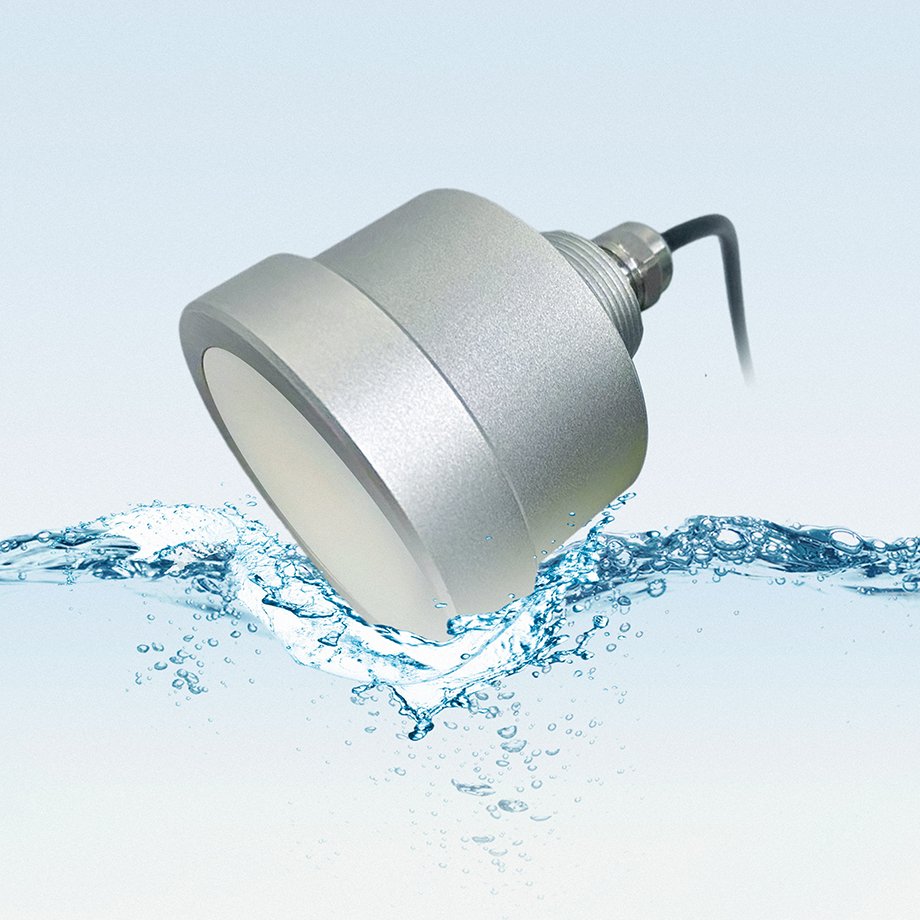
Exploring millimeter-wave radar technology: revolutionizing sensing applications
Millimeter-wave radar technology represents the cutting edge of wireless sensing, utilizing millimeter-wave frequencies to detect and measure objects with high precision. Operating in the 24 GHz to 77 GHz frequency band, this technology offers significantly higher resolution compared to traditional radar systems, making it ideal for modern applications. This article will delve into the fundamental principles of millimeter-wave radar, focusing on key applications such as liquid level measurement and monitoring, and explaining how it can improve accuracy and reliability across various industries.
Understanding the basics of millimeter-wave radar technology
The core of millimeter-wave radar technology lies in emitting short-wavelength electromagnetic waves that can be reflected from the surface of objects, enabling detailed analysis of distance, velocity, and shape. Unlike ultrasonic or infrared sensors, millimeter-wave systems can penetrate non-metallic materials such as plastics and fabrics and are unaffected by environmental factors such as dust, fog, or temperature fluctuations. This robustness is particularly important in industrial environments. For example, the technology's high bandwidth enables sub-millimeter accuracy, which is crucial for precise measurements. Statistics from the radar industry show that the application of millimeter-wave radar is growing by more than 30% annually, primarily due to its widespread use in fields such as automotive, healthcare, and manufacturing. By utilizing beamforming and multiple-input multiple-output (MIMO) technologies, millimeter-wave radar can achieve wide-angle coverage without sacrificing detail, distinguishing it from traditional sensors.
Liquid level measurement applications
Liquid level measurement is one of the most prominent applications of millimeter-wave radar technology, excelling at determining the height or position of solid or liquid materials in containers. While traditional level gauges or capacitive sensors often fail in harsh environments, millimeter-wave radar offers non-contact, continuous monitoring with extremely low maintenance costs. For example, in silos or tanks, this radar can measure liquid levels up to 100 meters with an accuracy of ±1 mm, ensuring operational efficiency. Engineering reports show that millimeter-wave-based level measurement technology can reduce plant downtime by up to 40% because it can handle viscous liquids or powders and does not suffer from calibration drift. This technology can be seamlessly integrated with IoT platforms for real-time data transmission, enabling predictive maintenance. Furthermore, its low power consumption (typically less than 1 watt) makes it ideal for remote deployments with extremely high battery life requirements. In summary, millimeter-wave radar level measurement technology revolutionizes inventory management, effectively preventing spills or stockouts with its reliable performance.
Advances in liquid level monitoring technology
Millimeter-wave radar technology has greatly facilitated liquid level monitoring, providing a non-contact solution for tracking liquid volumes in pipelines, reservoirs, or chemical storage tanks. This radar utilizes the frequency-modulated continuous wave (FMCW) principle, enabling it to distinguish between liquids of different densities even under turbulent conditions. For example, in water treatment plants, millimeter-wave sensors achieve 99.9% uptime, far exceeding contamination-prone optical methods. Industry data shows that adopting this technology can reduce operating costs by 25% because it eliminates the need for frequent manual inspections. Furthermore, millimeter-wave radar is unaffected by steam or foam, ensuring stable readings even in complex environments such as oil refineries or pharmaceutical plants. By combining with artificial intelligence algorithms, these systems can predict liquid level changes, thereby optimizing pump operation and resource allocation. As environmental monitoring regulations become increasingly stringent, millimeter-wave radar technology provides the accuracy required for compliance and promotes sustainable development across industries.
The Future of Millimeter-Wave Radar Technology
Looking ahead, millimeter-wave radar technology is expected to see wider applications, particularly in smart cities and autonomous driving systems. Current research focuses on miniaturizing modules for use in consumer electronics and improving resolution to detect minute movements for health monitoring. In the field of liquid level measurement and monitoring, hybrid systems combining millimeter waves with edge computing will be able to accelerate decision-making. The global market is projected to reach $10 billion by 2028, highlighting the transformative potential of this technology's versatility. Industries that adopt this technology first will gain a competitive advantage by improving safety and efficiency, paving the way for innovative solutions in an increasingly interconnected world.