






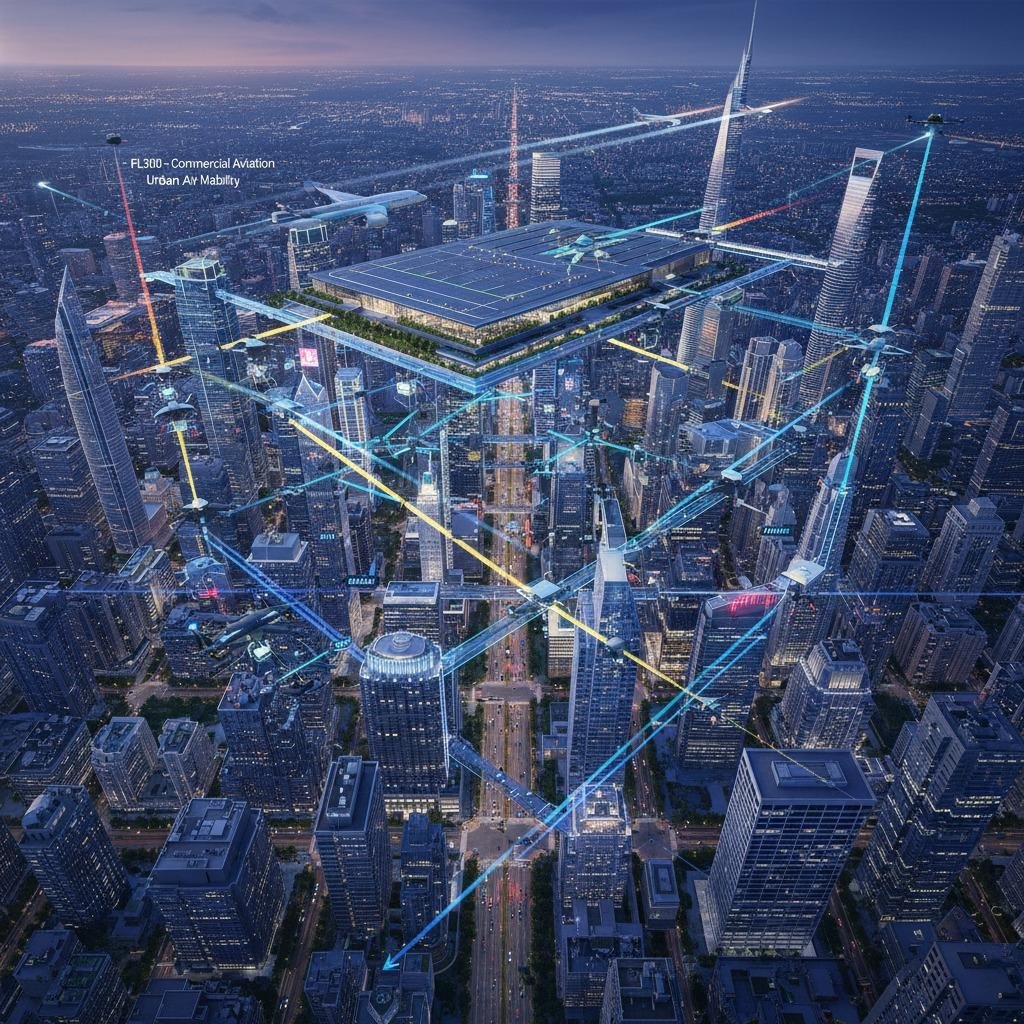
Navigating the Challenges of Complex Airspace Operation
In today's rapidly evolving aviation landscape, complex airspace operation poses significant hurdles for operators and systems alike. With increasing air traffic from drones, urban air mobility vehicles, and traditional aircraft, ensuring safe and efficient operations has become a pressing concern. The main keyword here, complex airspace operation, encapsulates the multifaceted environment where multiple entities must coexist without collisions or disruptions. This problem is exacerbated in dense urban areas or during high-traffic events, where human pilots or automated systems struggle to maintain situational awareness. Delays, safety risks, and regulatory compliance issues often arise, leading to inefficiencies that can cost industries billions annually.
The Core Problem: Unpredictable Environments in Complex Airspace Operation
One of the primary challenges in complex airspace operation is the unpredictability of dynamic environments. Aircraft and drones must navigate through cluttered skies filled with obstacles like buildings, birds, or other vehicles moving at varying speeds. Traditional navigation methods fall short when faced with sudden changes, such as weather shifts or unexpected intrusions. This not only heightens the risk of mid-air collisions but also complicates mission planning for delivery services, surveillance, or emergency responses. Without advanced tools, operators are left reactive rather than proactive, resulting in operational bottlenecks and increased fuel consumption from inefficient routing.
Solution 1: Enhancing Real-Time Decision Making
To address these issues in complex airspace operation, integrating real-time decision making capabilities is essential. Modern systems leverage advanced algorithms that process data from multiple sensors instantly, allowing for split-second adjustments to flight paths. For instance, by analyzing live feeds from radar and GPS, these systems can predict potential conflicts and suggest optimal maneuvers. Real-time decision making reduces human error and enables seamless coordination in shared airspace. In practice, this means drones can reroute around temporary no-fly zones or adjust altitudes dynamically, ensuring compliance and safety. By prioritizing real-time decision making, operators can transform chaotic skies into managed corridors, boosting efficiency and reliability.
Solution 2: Implementing Sense-and-Avoid Systems
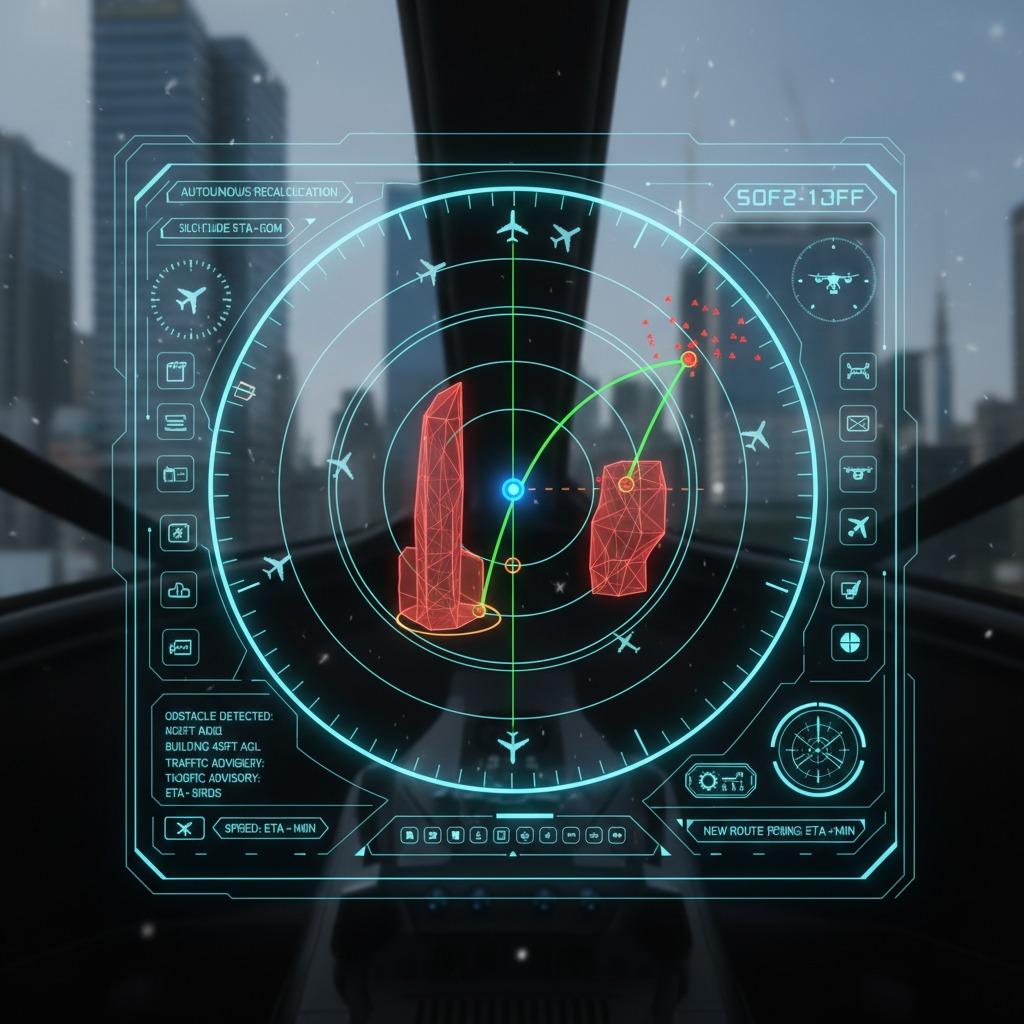
Another critical solution for complex airspace operation is the deployment of sense-and-avoid systems. These technologies mimic human pilot instincts by using cameras, lidar, and radar to detect obstacles in real time and autonomously execute avoidance maneuvers. In scenarios where visibility is low or traffic is dense, sense-and-avoid systems provide a robust safety net, preventing accidents before they occur. For example, in urban delivery operations, these systems allow vehicles to weave through skyscrapers and avoid birds or other drones without manual intervention. By incorporating sense-and-avoid systems, the aviation sector can scale operations confidently, meeting the demands of growing air traffic while minimizing risks.
Solution 3: Leveraging Autonomous Navigation for Precision
Autonomous navigation emerges as a game-changer in tackling the intricacies of complex airspace operation. This approach relies on self-governing software that plans and executes routes independently, factoring in airspace regulations, weather, and traffic density. Autonomous navigation systems use machine learning to optimize paths, reducing travel time and energy use. In military or commercial applications, it ensures missions proceed uninterrupted even in contested environments. By adopting autonomous navigation, stakeholders can overcome the limitations of manual control, achieving higher throughput in complex airspace operation and paving the way for innovations like air taxis.
Solution 4: Harnessing AI-Driven Perception for Superior Awareness
Finally, AI-driven perception stands out as a pivotal solution for complex airspace operation. This technology processes vast amounts of visual and sensor data to create a comprehensive 3D map of the surroundings, identifying threats with unprecedented accuracy. AI-driven perception goes beyond basic detection by interpreting contexts, such as distinguishing between a flock of birds and a manned aircraft. In high-stakes scenarios, it enables predictive analytics to foresee issues, allowing preemptive actions. For operators dealing with complex airspace operation, integrating AI-driven perception means enhanced vigilance and adaptability, ultimately leading to safer, more efficient airspace utilization. As these solutions converge, the future of aviation promises to be more accessible and secure, revolutionizing how we interact with the skies.