






Understanding Radar Sensor Integration in Modern Applications
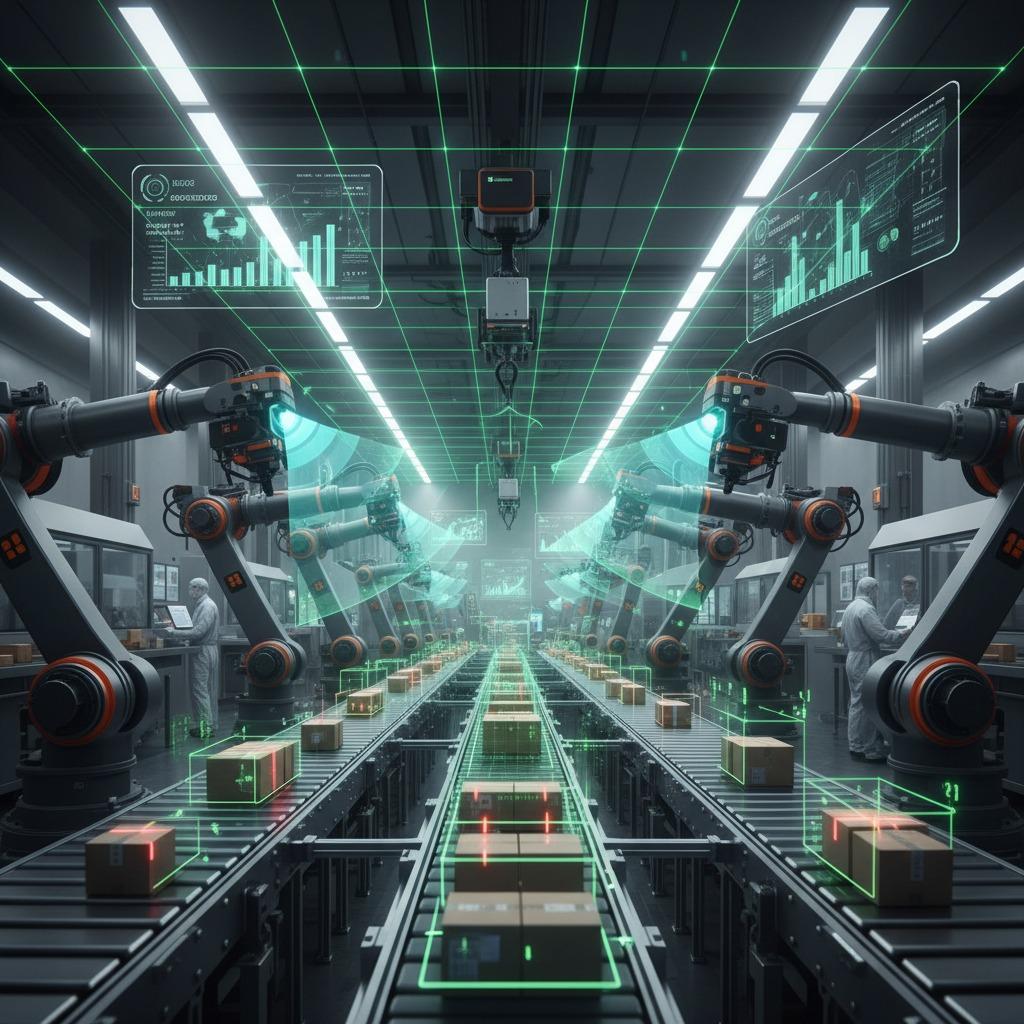
Radar sensor integration is revolutionizing how industries monitor and control their environments, enabling precise detection and real-time data processing. This technology combines radar systems with various electronic interfaces to enhance functionality in diverse settings, from automotive to industrial automation. By embedding radar sensors into broader systems, engineers can achieve seamless communication and improved efficiency. For instance, integrating radar modules allows for contactless sensing, which is crucial in environments where traditional sensors might fail due to dust, heat, or moisture.
Exploring UART Radar for Reliable Data Transmission
One key aspect of radar sensor integration involves UART radar, which uses universal asynchronous receiver-transmitter protocols for straightforward communication between radar modules and microcontrollers. UART radar simplifies the setup by providing serial data output that can be easily interpreted by devices like Arduino or industrial PLCs. This method is particularly valued in prototyping and low-cost applications, where bandwidth requirements are modest. According to industry reports, UART interfaces reduce integration time by up to 30% compared to more complex protocols, making it a go-to choice for developers. In practice, UART radar ensures that distance, speed, and presence data are transmitted accurately without the need for additional hardware converters.
The Role of Factory Automation Sensors in Enhancing Productivity
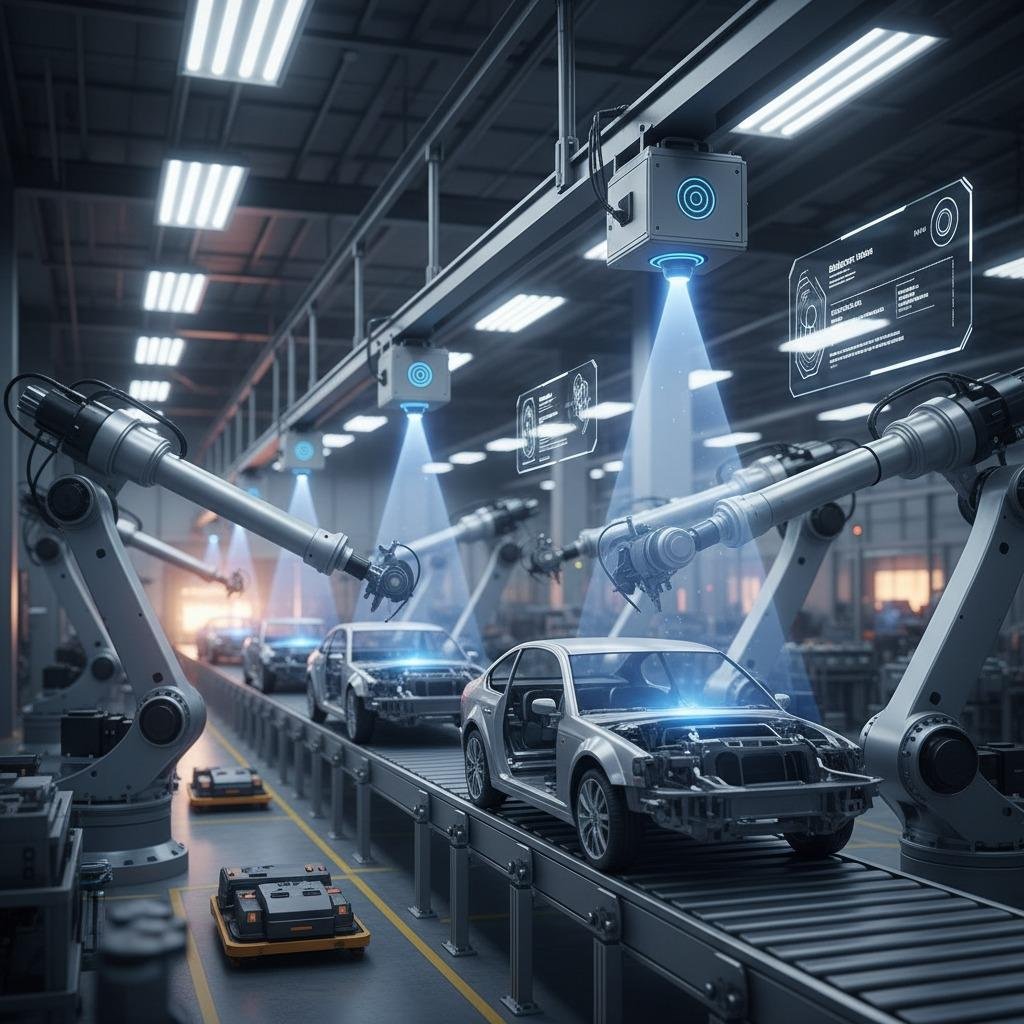
Factory automation sensor technologies are at the forefront of radar sensor integration, driving smart manufacturing processes. These sensors, often radar-based, detect object positions and movements on assembly lines, preventing collisions and optimizing workflows. In a typical factory setting, factory automation sensors integrate with robotic arms and conveyor systems to provide 360-degree coverage, reducing downtime by monitoring for anomalies in real-time. Statistics from the International Federation of Robotics indicate that automation equipped with such sensors has boosted productivity by 25% in leading manufacturing hubs. By leveraging radar's ability to penetrate nonmetallic barriers, these sensors maintain accuracy even in cluttered industrial spaces, supporting the Industry 4.0 paradigm.
Millimeter-Wave in Industrial Networks: Precision and Speed
Millimeter-wave in industrial networks represents a cutting-edge evolution in radar sensor integration, offering high-resolution imaging and detection at frequencies above 30 GHz. This technology excels in environments requiring ultra-precise measurements, such as quality control in electronics assembly or inventory tracking in warehouses. Millimeter-wave radar penetrates materials like plastics and foams, making it ideal for non-destructive testing. Integration into industrial networks via protocols like Ethernet or wireless meshes allows for scalable deployments, where multiple sensors synchronize data for comprehensive spatial mapping. Research from IEEE highlights that millimeter-wave systems can achieve sub-millimeter accuracy, far surpassing traditional ultrasonic or infrared alternatives, thus minimizing errors in automated processes.
Linpowave Radar Connectivity: Bridging Devices Seamlessly
Linpowave radar connectivity focuses on advanced wireless integration, enabling radar sensors to link effortlessly with IoT ecosystems and cloud platforms. This approach uses proprietary protocols to ensure low-latency communication, vital for applications like predictive maintenance in heavy machinery. Linpowave's solutions support multi-sensor fusion, where radar data combines with inputs from cameras or lidar for robust environmental understanding. In industrial contexts, this connectivity reduces wiring complexity, cutting installation costs by 40% as per recent case studies. By prioritizing secure, encrypted data streams, Linpowave radar connectivity safeguards sensitive operational insights, fostering trust in integrated systems.
Future Trends in Radar Sensor Integration
Looking ahead, radar sensor integration will continue to evolve with advancements in AI and edge computing, allowing for on-device analytics that process radar signals instantaneously. This will expand applications into smart cities, where integrated radar networks monitor traffic and pedestrian flows without privacy invasions. Challenges like interference mitigation and power efficiency are being addressed through hybrid designs combining UART radar with millimeter-wave elements. As industries adopt these technologies, the synergy between factory automation sensors and Linpowave radar connectivity will drive unprecedented levels of automation and safety. Overall, radar sensor integration not only enhances operational intelligence but also paves the way for sustainable, data-driven innovations across sectors.