






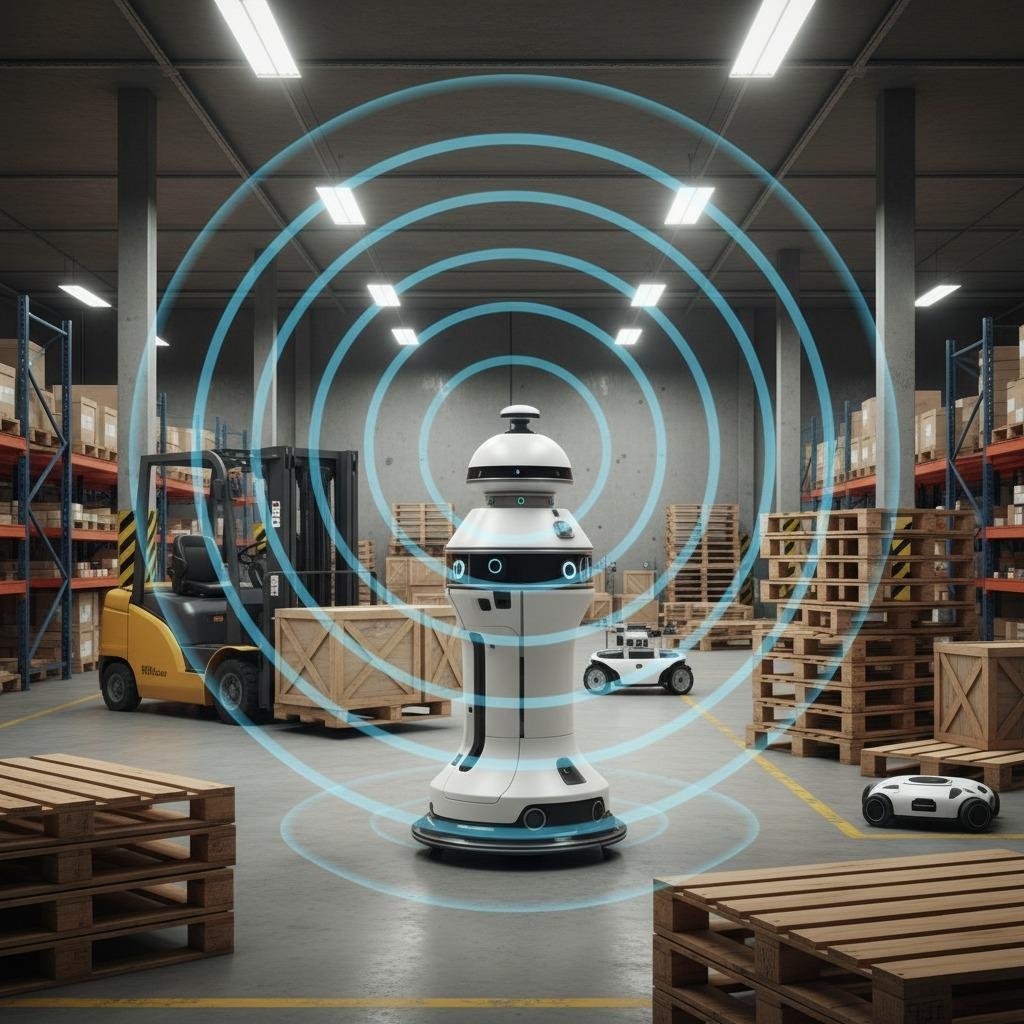
Overcoming Navigation Challenges with Robot Obstacle Avoidance Radar
In the world of robotics, ensuring safe and efficient navigation is a critical challenge. Robots operating in dynamic environments, such as warehouses, homes, or outdoor terrains, often face unexpected obstacles that can lead to collisions, downtime, or even damage. This is where robot obstacle avoidance radar comes into play, offering a reliable solution to detect and evade hazards in real-time. Traditional sensors like cameras or ultrasonic devices can falter in poor lighting, adverse weather, or with transparent objects, but radar technology provides robust performance regardless of conditions.
The Problem: Vulnerabilities in Current Robot Navigation Systems
Many robots rely on vision-based or proximity sensors that are limited by environmental factors. For instance, cameras struggle in low-light or foggy settings, while ultrasonic sensors have a narrow detection range and can be interfered with by soft surfaces. These shortcomings result in frequent navigation errors, increased risk of accidents, and reduced operational efficiency. In industrial settings, such failures can halt production lines, leading to costly delays. For consumer robots like vacuum cleaners or delivery drones, unreliable obstacle detection erodes user trust and limits adoption. The core issue is the need for a sensor that delivers precise, all-weather detection without the false positives that plague legacy systems.
Solution: Harnessing mmWave Radar for Robot Obstacle Detection
Enter mmWave Radar for Robot Obstacle Detection, a cutting-edge technology that uses millimeter-wave signals to map surroundings with high accuracy. Unlike optical sensors, mmWave radar penetrates dust, smoke, and rain, detecting objects up to hundreds of meters away. This makes it ideal for robots navigating complex spaces. By integrating mmWave radar, robots can identify obstacles—be it a pedestrian, furniture, or debris—and adjust paths instantly. The technology's low power consumption and compact design allow seamless incorporation into various robot forms, from autonomous vehicles to service bots. Real-world applications show a significant drop in collision rates, boosting reliability and safety.
Enhancing Safety with Robot Collision Avoidance Radar
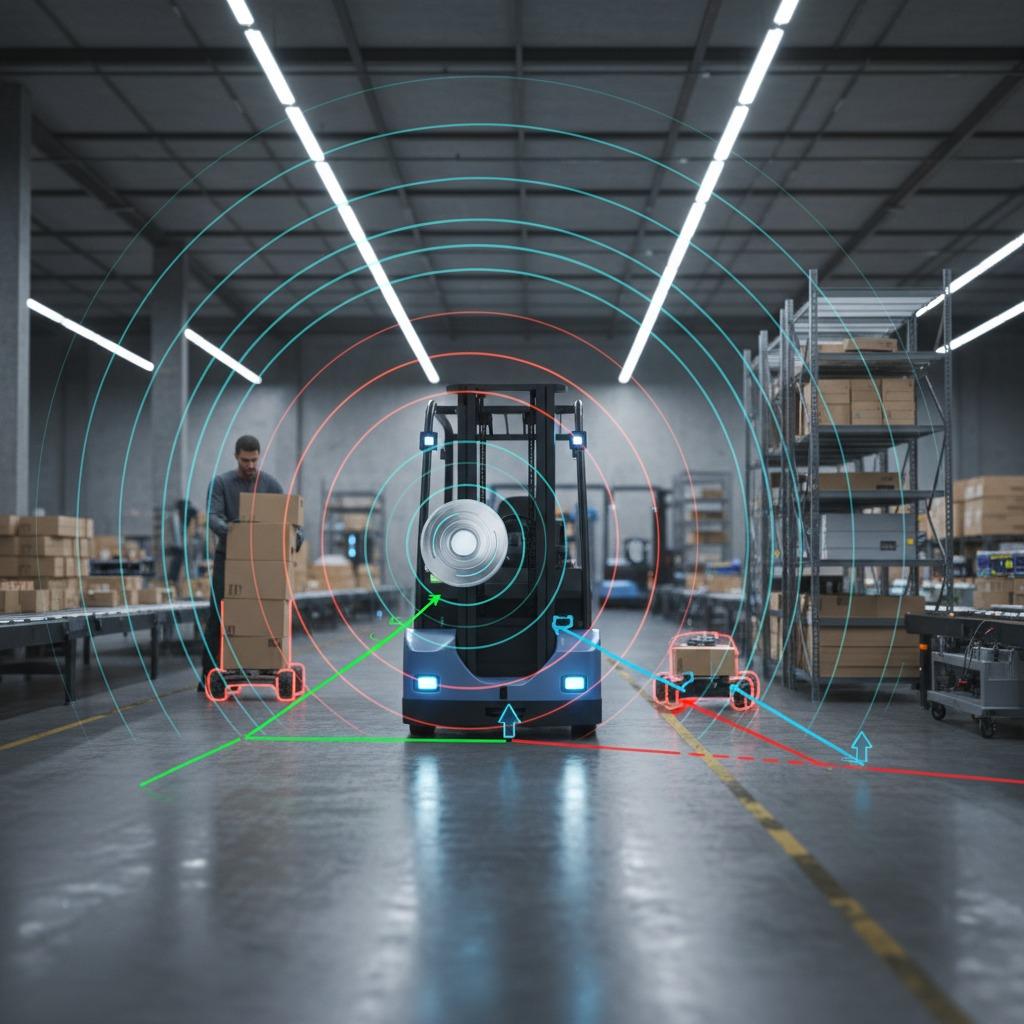
Building on this foundation, Robot Collision Avoidance Radar takes obstacle detection to the next level by enabling predictive avoidance. This system not only spots immediate threats but also anticipates potential collisions through velocity and trajectory analysis. For example, in a warehouse robot, the radar can detect a moving forklift and reroute accordingly, preventing accidents. Its resilience to environmental noise ensures consistent performance, even in high-traffic areas. Paired with AI algorithms, it processes data swiftly, allowing robots to make split-second decisions. Industries adopting this radar report have up to 90% fewer incidents, transforming operations from reactive to proactive.
Key Benefits of Robot Obstacle Detection Sensors
Robot obstacle detection sensors, particularly those based on radar, offer versatility across applications. They provide 360-degree coverage, high resolution for small object detection, and integration with existing navigation software. In agriculture, these sensors help autonomous tractors avoid rocks or uneven terrain; in healthcare, they enable safe mobility aids for the elderly. The non-contact nature means no wear and tear, ensuring longevity. Moreover, compliance with safety standards like ISO 3691-4 for industrial vehicles is straightforward, making adoption hassle-free. By addressing visibility and range limitations, these sensors empower robots to operate confidently in unstructured environments.
Implementing Radar-Based Robot Obstacle Avoidance
To implement Radar-Based Robot Obstacle Avoidance effectively starts with selecting a radar module suited to your robot's size and speed requirements. Calibration involves tuning sensitivity to minimize false alarms while maximizing detection range. Integration with control systems, such as ROS (Robot Operating System), allows for seamless data fusion with other sensors for enhanced accuracy. Testing in simulated and real environments refines the setup, ensuring optimal performance. For developers, open-source libraries accelerate deployment. Ultimately, this approach not only solves immediate navigation problems but also future-proofs robots against evolving challenges, driving innovation in automation.
In summary, Robot Obstacle Avoidance Radar revolutionizes how machines interact with their surroundings, turning potential hazards into manageable data points. By adopting these advanced solutions, industries and consumers alike can unlock the full potential of robotics, ensuring safer, smarter operations.