




MillimeterWave Radar
Home
MillimeterWave Radar

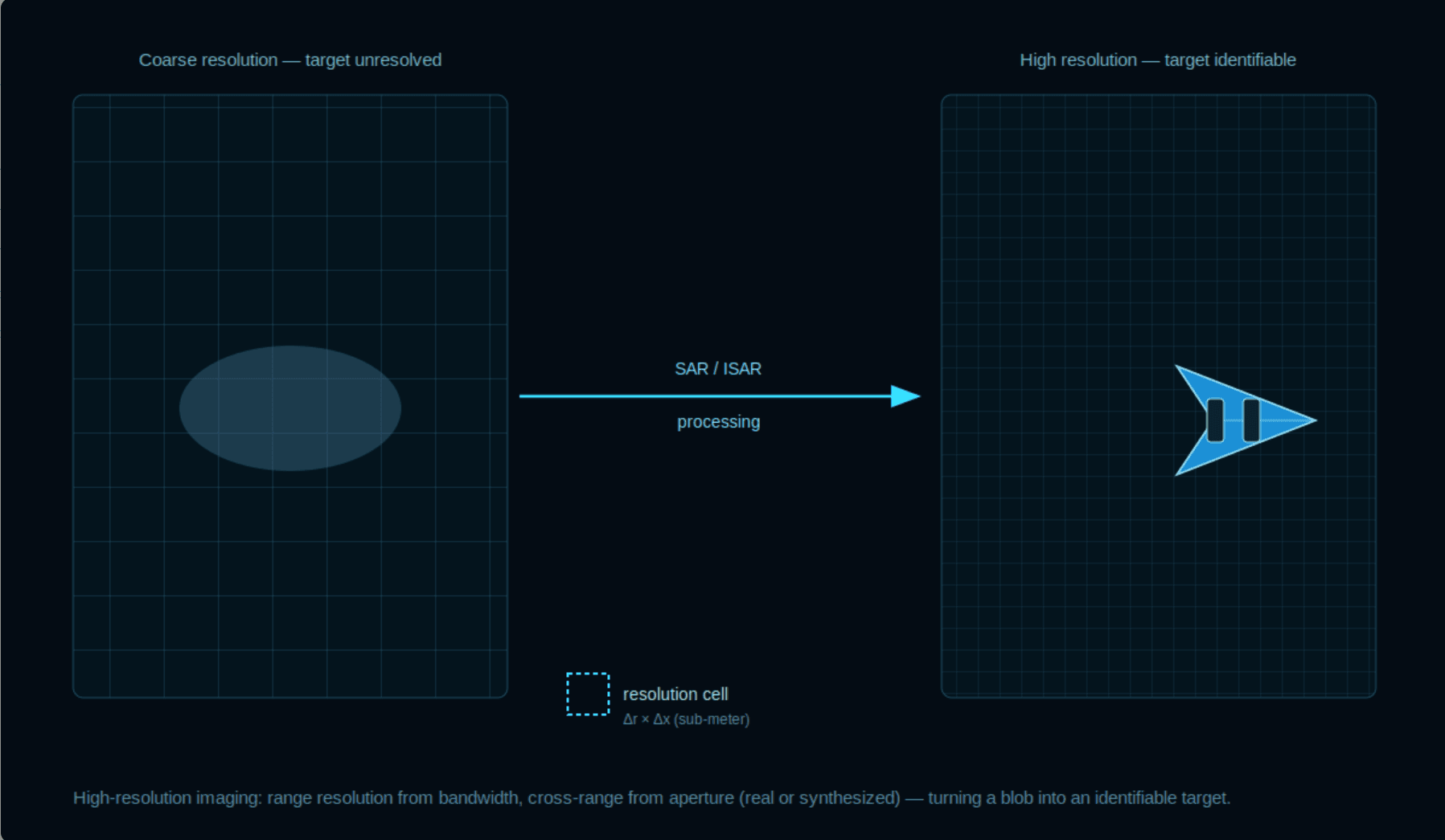
High-resolution imaging Moving target discrimination Velocity estimation Stationary vs dynamic object separation Real-time tracking
 Ningbo Linpowave
1. Why radar cross section measurement has become a procurement issue, not just a lab topic 2. What RCS data is really telling you 3. Common test approaches and where they fit 4. What buyers should ask before committing to a measurement program 5. Frequent mistakes that waste time and budget 6. How to decide what kind of data your project needs 7. A practical next step
Ningbo Linpowave
1. Why ground proximity warning matters in real flight operations 2. The basic job: keep the aircraft out of the danger zone 3. Where terrain clearance monitoring helps most 4. What to look for in a warning and landing-assist system 5. Common mistakes buyers make 6. A practical buying checklist 7. FAQ: quick answers for engineering and sourcing teams 8. What teams should do next
Ningbo Linpowave
1. Why maneuvering target tracking is still a hard engineering problem 2. What buyers and engineers should look for first 3. Common tracking approaches and where they tend to break down 4. Selection criteria that actually matter 5. Practical mistakes that slow projects down 6. How to think about the next purchase decision 7. FAQ: a few quick buyer questions 8. What to do next
Ningbo Linpowave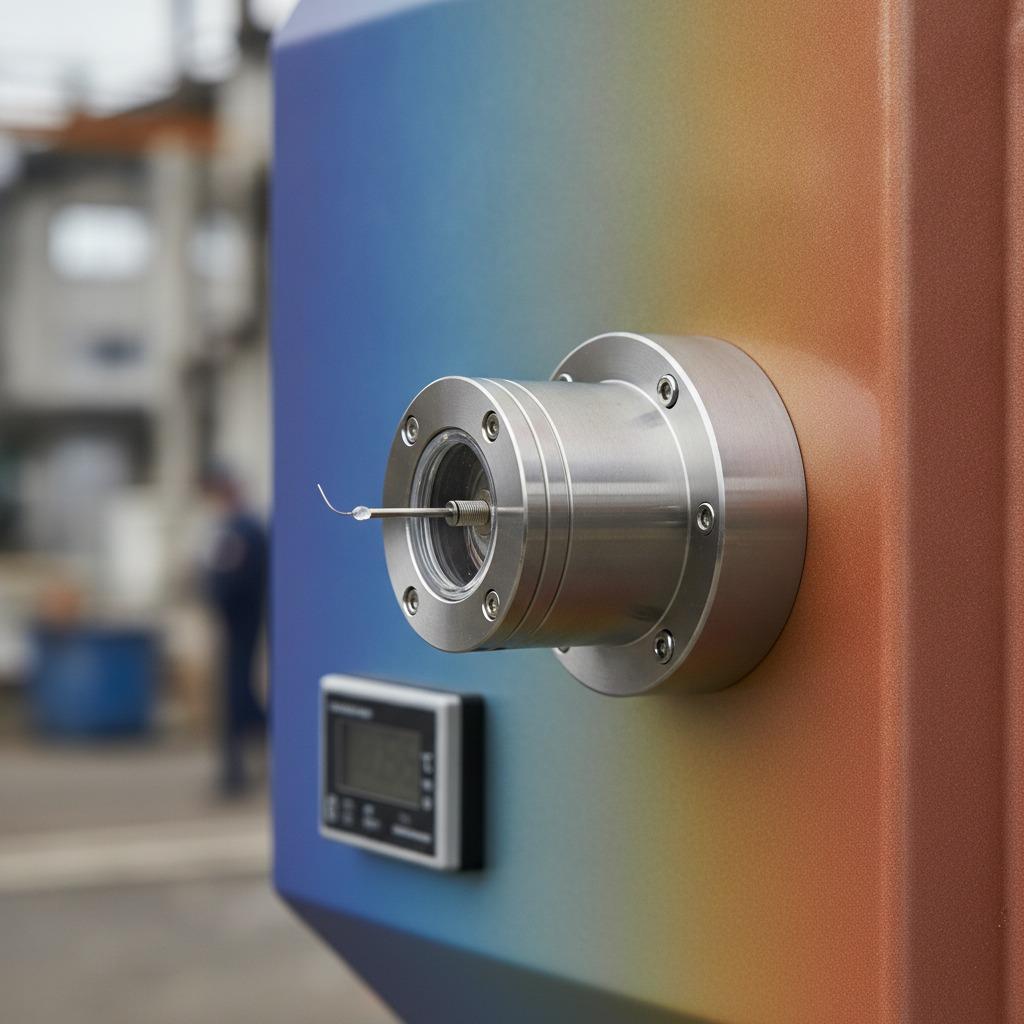
1. Why temperature-compensated sensing matters in the field 2. What problem compensation actually solves 3. Quick buyer’s view: what to look for 4. How compensation is usually implemented 5. Where related design features become decisive 6. Common mistakes buyers make 7. Practical selection advice for engineering and sourcing teams 8. FAQ: short answers to common questions 9. What to ask before you commit
Ningbo Linpowave
1. Sidelobe suppression: why it matters before a radar or EW system goes into the field 2. What sidelobes do to system performance 3. Where suppression comes from: the main levers 4. Working in a complex electromagnetic environment 5. Smart jammer counteraction starts with clean signal behavior 6. Common buyer mistakes 7. What to ask before you specify a solution 8. Next step for engineering and sourcing teams
Ningbo Linpowave
1. Why construction site progress monitoring has become a management issue, not just a reporting task 2. What progress monitoring is supposed to solve 3. Key ways teams monitor construction progress 4. How to choose a monitoring approach that fits the job 5. Common mistakes that make monitoring less useful 6. Practical buyer advice for project teams 7. What a good system should deliver 8. Next step for buyers and project teams
Ningbo Linpowave
1. Why ground proximity warning matters in modern flight operations 2. What the system is really helping you decide 3. Key functions buyers should compare 4. Safe landing site selection is not just an operational question 5. Common mistakes in system selection 6. What a sensible buyer checklist looks like 7. Where this leaves operators and designers
Ningbo Linpowave
1. Why foliage penetration sensing matters in real field work 2. What the sensing task is really asking for 3. Common sensing approaches and where they fit 4. Key takeaways for buyers 5. Selection criteria that usually decide the project 6. Common mistakes to avoid 7. Practical buyer advice 8. Final decision: choose for the environment, not the brochure 9. FAQ
Ningbo Linpowave
1. Why deep learning-based target classification matters in modern sensing 2. The basic trade-off: rules are predictable, but they can be brittle 3. What buyers should compare before choosing a solution 4. Where these systems tend to work best 5. Common mistakes buyers make 6. Practical questions to ask a supplier or internal engineering team 7. What to do next
Ningbo Linpowave
1. Why short-range high-precision sensing matters now 2. The practical problem: close targets are harder than they look 3. What short-range sensing is used for 4. How to compare sensing approaches without getting misled by the brochure 5. Key checks before purchase 6. Common mistakes buyers make 7. Selection advice for engineering and sourcing teams 8. What a good supplier should be able to explain 9. FAQ 10. Is short-range sensing only for inspection? 11. Why does near-field performance vary so much by application? 12. What should buyers request before committing? 13. Next step
Ningbo Linpowave
1. Why real-time obstacle avoidance has become a buying criterion, not a nice-to-have 2. What real-time obstacle avoidance is actually doing 3. Quick comparison: what each function contributes 4. How buyers should judge a solution, not just a feature 5. Common failure points in the field 6. What to ask before you buy 7. Practical buyer advice 8. FAQ: a few questions that come up in sourcing reviews 9. Choosing a safer route to deployment
Ningbo Linpowave