






Why complex airspace operation is becoming a harder engineering problem
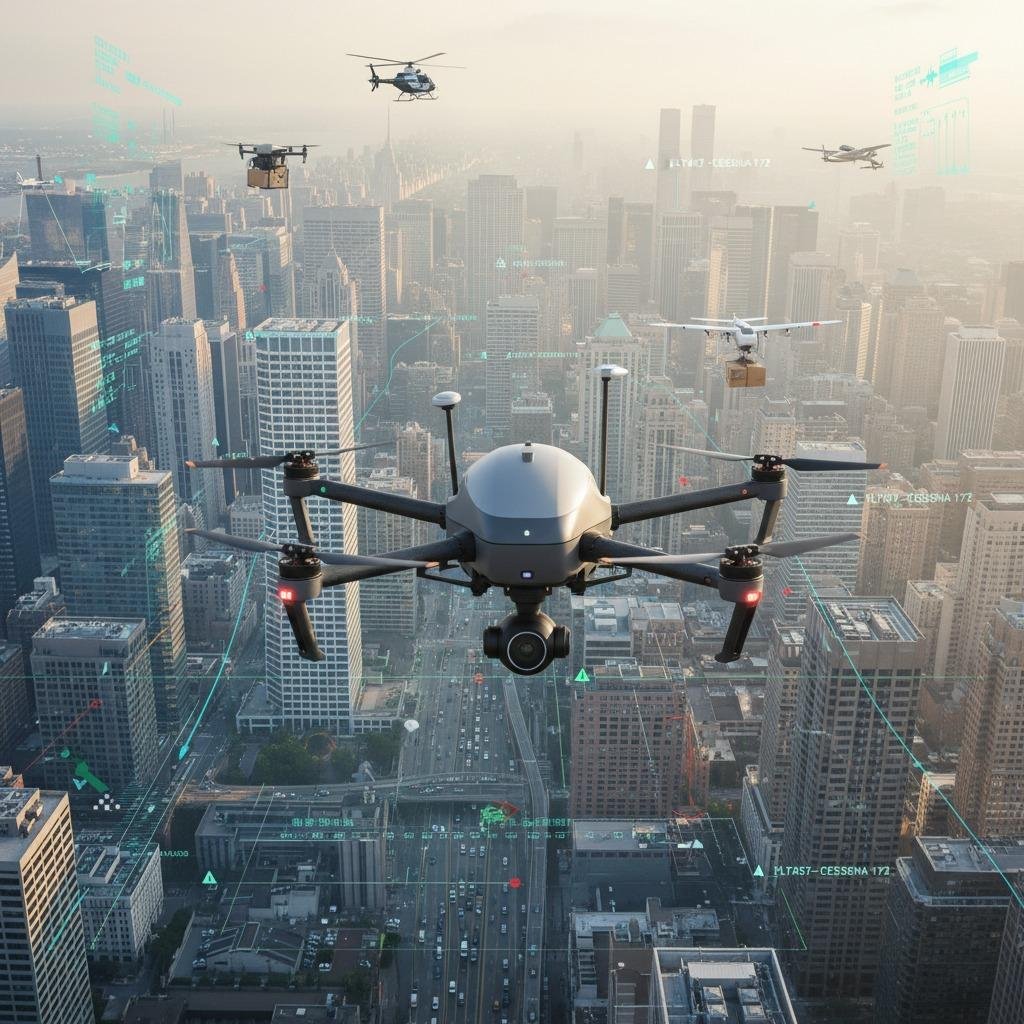
Complex airspace operation is no longer a niche concern for defense programs or large UAV fleets. It is now a practical engineering issue for commercial operators, integrators, and product teams trying to move aircraft into crowded, changing, and sometimes unpredictable environments. The challenge is not just flying from point A to point B. It is keeping the vehicle stable, compliant, and mission-capable when the airspace itself is dynamic.
That matters because the margin for error gets thin very quickly. Traffic density, weather variation, radio interference, temporary restrictions, and mixed manned-unmanned activity can all complicate a mission. For teams buying or designing aircraft systems, the real decision is whether the platform can make safe choices fast enough, with enough confidence, and without making the operator babysit every move.
What the system has to solve in the field
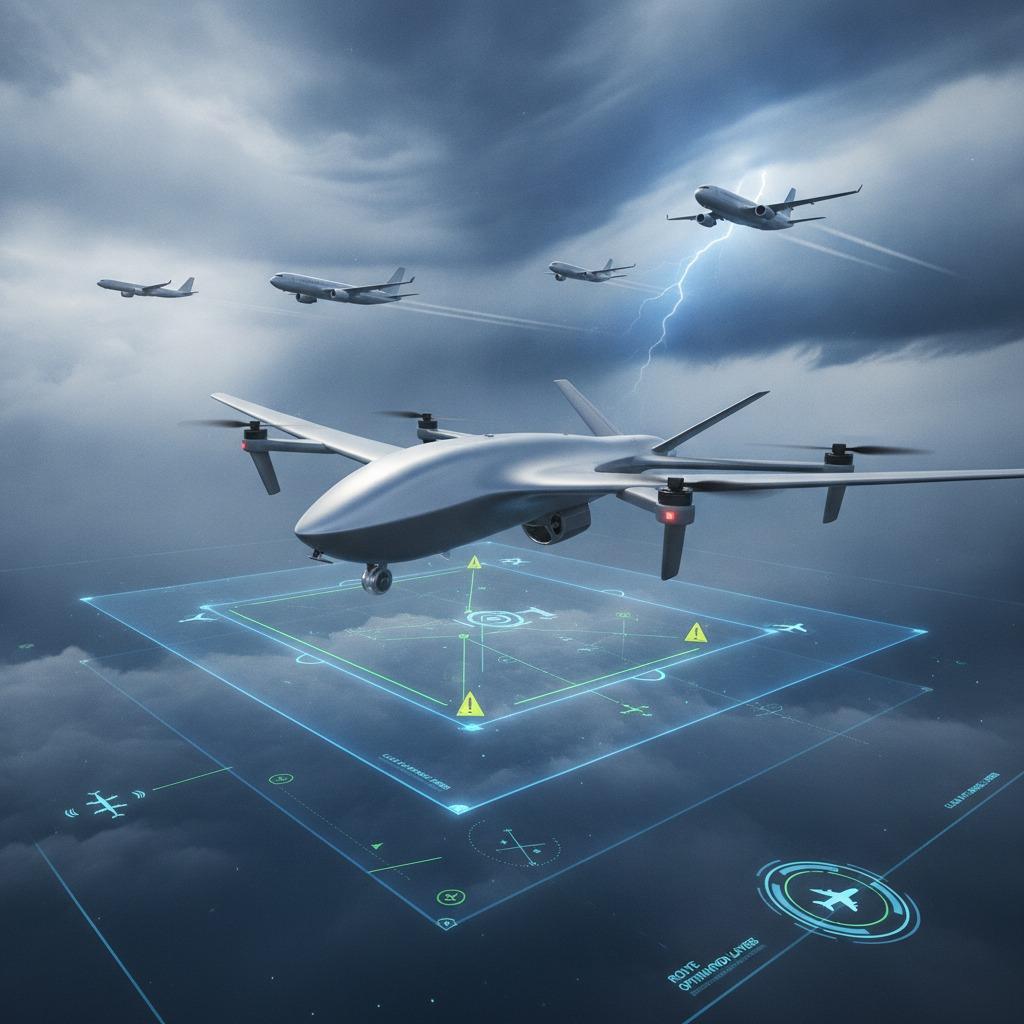
In simple airspace, a flight control stack can lean heavily on route planning and preloaded rules. In complex airspace operation, that approach starts to fray. The vehicle needs to interpret what is happening around it, compare that to mission intent, and adjust in real time. That is where real-time decision making becomes more than a software feature; it becomes a safety requirement.
The aircraft may need to react to moving obstacles, detect changes in traffic patterns, identify no-fly boundaries, and adapt to degraded navigation signals. A good system does not just detect a problem. It decides whether to hold, reroute, slow down, climb, or hand control back to an operator. Those choices are only useful if they arrive quickly enough to matter.
Core capabilities buyers should look for
Sense-and-avoid system performance
A sense-and-avoid system is often treated as a single checkbox, but the practical question is broader: what does it sense, how far ahead, and how reliably in poor conditions? Some platforms perform well in clear, open environments but lose confidence when lighting changes, weather deteriorates, or sensor inputs become noisy. Buyers should ask how the system fuses sensor data and what happens when one input degrades.
AI-driven perception with limits
AI-driven perception can help identify objects, track motion, and classify scene changes more intelligently than simple threshold logic. Still, AI is not a magic shield. It depends on training data, operating context, and the quality of the sensor stack. In procurement terms, that means asking where the model is expected to work well and where it may need human oversight or fallback logic. The most useful systems are transparent about their boundaries.
Autonomous navigation under uncertainty
Autonomous navigation is most valuable when the platform can continue mission progress without waiting for constant commands. In complex airspace operation, that often means combining map-based planning with local perception and contingency handling. A vehicle may not always need full autonomy, but it should be able to move through turbulence, temporary constraints, and changing local conditions without becoming erratic.
How to compare solutions without getting lost in the marketing
One common mistake is comparing autonomy claims as if they were identical. They are not. Some platforms advertise advanced autonomy but rely on highly controlled conditions. Others are built for real-world variation but may require tighter integration or more careful validation. The right comparison is operational: what airspace complexity is expected, what level of operator involvement is acceptable, and what failure modes are unacceptable?
It also helps to separate perception from decision logic. A system may see well but choose poorly, or choose well but see too little. Engineering teams should review the full chain: sensing, fusion, prediction, planning, and fallback behavior. When one part is weak, the whole stack can become fragile.
Buyer-facing pitfalls that show up late
A practical warning: demo results can look cleaner than production reality. Indoor validation, curated obstacle sets, and rehearsed scenarios do not fully reflect busy airspace. Ask how the platform behaves when GPS quality drops, when object detection confidence changes, or when multiple events happen at once. Those are the moments that expose weak assumptions.
Another overlooked issue is human-machine handoff. If an operator must intervene, the handoff needs to be immediate and understandable. A system that is technically autonomous but operationally confusing can slow the mission more than it helps.
What a good selection process looks like
Start with the mission, not the algorithm. Define the airspace complexity, the expected traffic mix, the environmental limits, and the operator workload. Then evaluate whether the platform’s autonomy stack supports that mission with enough resilience. For many teams, the deciding factor will be whether the system can handle routine complexity gracefully rather than only surviving worst-case events.
For sourcing managers, that means asking suppliers for architecture details, validation approach, fallback modes, and integration boundaries. For engineering teams, it means testing the system in representative conditions, not just in ideal ones. The less forgiving the airspace, the more that discipline matters.
FAQ: quick answers for evaluation teams
Is full autonomy always the goal?
No. In some missions, supervised autonomy is the better fit. The right answer depends on risk tolerance, regulatory constraints, and the quality of the operating environment.
Does better perception automatically mean safer flights?
Not always. Perception, planning, and control need to work together. Strong sensing with weak decision logic can still produce poor outcomes.
What should teams prioritize first?
Start with safe behavior under uncertainty. In complex airspace operation, the most useful platform is usually the one that stays predictable when conditions stop being convenient.
Next step for engineering and sourcing teams
If you are evaluating platforms for complex airspace operation, build your shortlist around operational resilience rather than feature count. Ask how each system supports real-time decision making, how its sense-and-avoid system handles uncertainty, and where its autonomous navigation can be trusted without constant supervision. That is usually where the real difference between products shows up.