






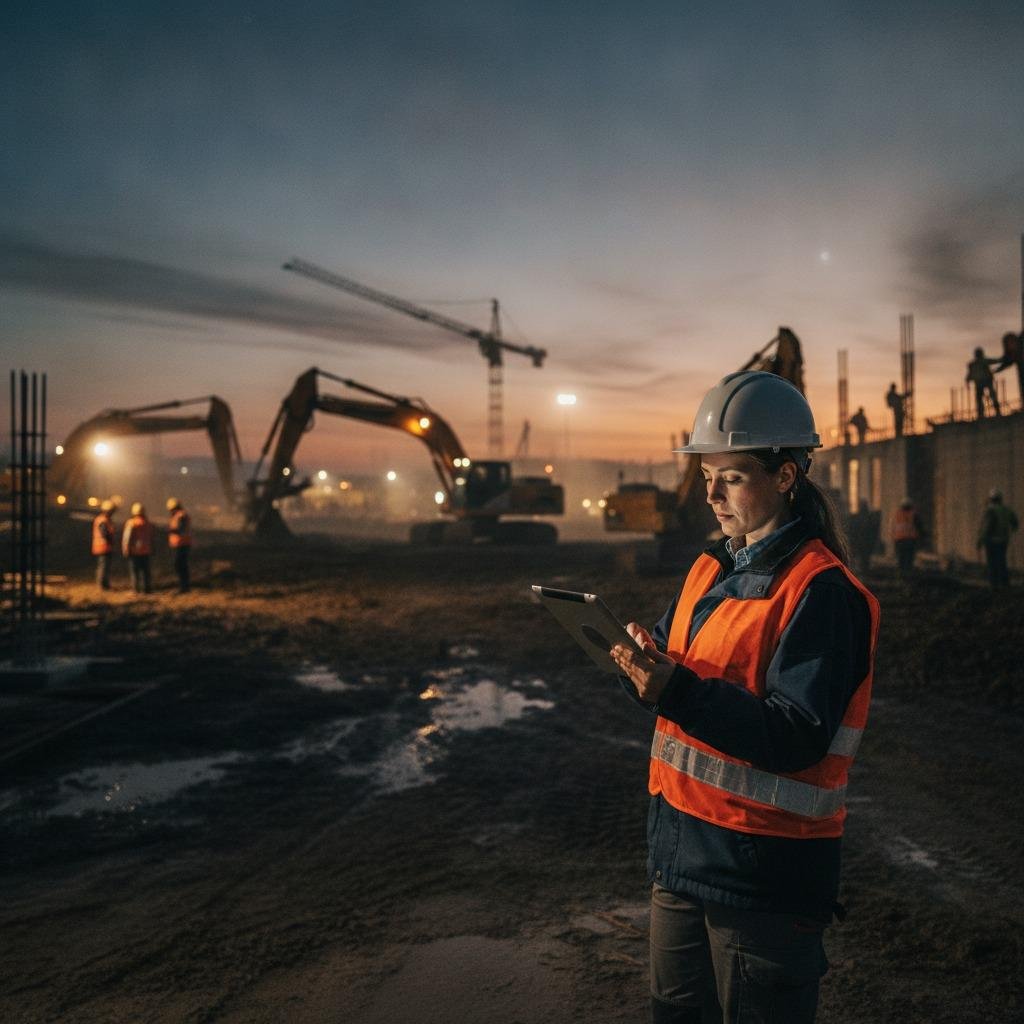
Why construction site progress monitoring has become a management issue, not just a reporting task
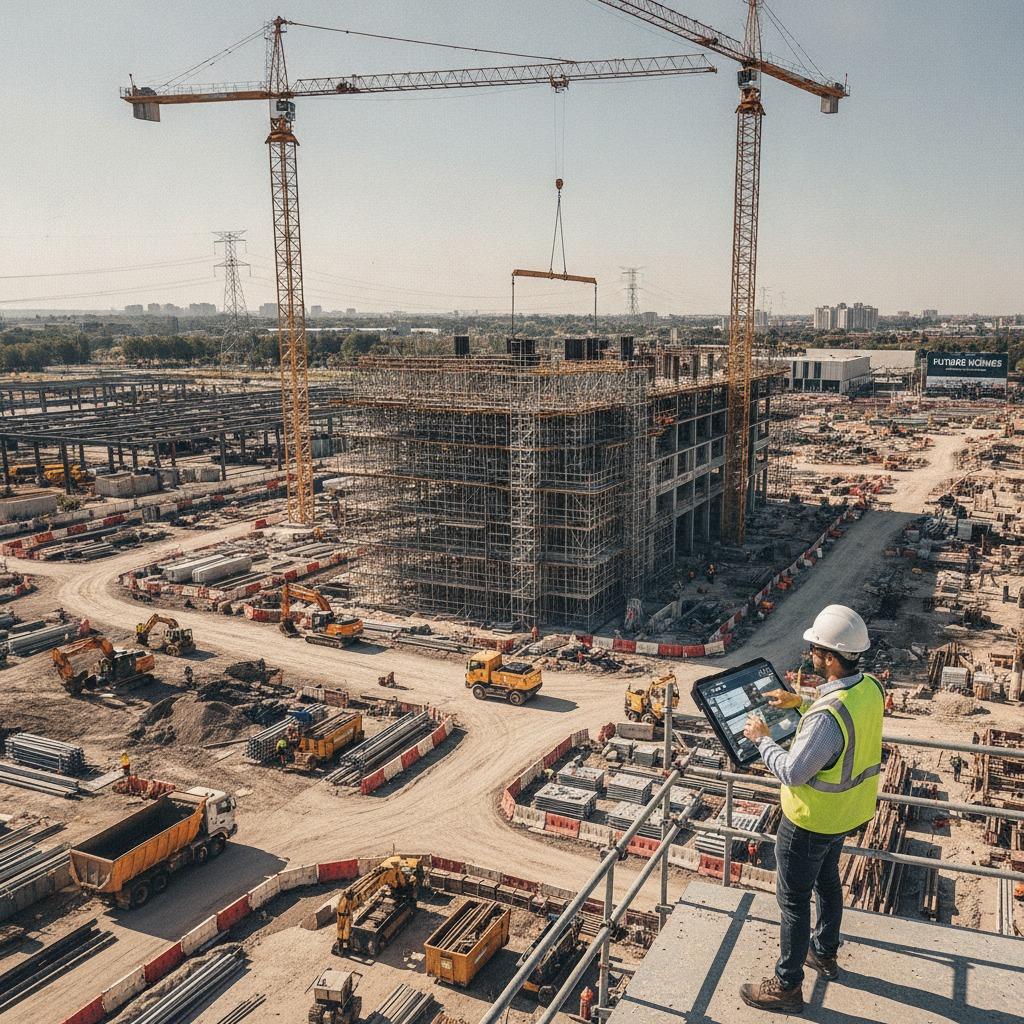
Construction site progress monitoring used to mean a foreman walking the job, taking notes, and comparing them against a schedule back at the office. That approach still exists, but it is no longer enough on larger or more complex projects. Weather changes, subcontractor overlap, material delays, and safety restrictions can shift work faster than a weekly report can capture. By the time a missed milestone shows up in a spreadsheet, the real cost is already working its way through labor, equipment, and downstream trades.
For engineers, sourcing managers, and project teams, the real question is not whether progress can be recorded. It is how quickly the record can be trusted, shared, and used to make a decision. A useful monitoring approach should tell you what is actually happening on site, where the plan is slipping, and which actions are worth taking next.
What progress monitoring is supposed to solve
The practical value of construction site progress monitoring is simple: it reduces surprises. That sounds obvious, but in the field surprises are expensive. If earthworks are behind, foundation crews are idle. If steel delivery is early but access roads are not ready, materials sit in the wrong place. If the envelope is closed late, interior trades lose time and protection.
Good monitoring gives a project team a way to compare planned work against real conditions. It can support quantity verification, labor coordination, payment review, and dispute avoidance. It also helps managers notice patterns, not just single delays. A one-day setback may not matter. Three small setbacks across three trades usually do.
Key ways teams monitor construction progress
There is no single perfect method. Most projects use a mix, and the right mix depends on site size, access, budget, and reporting discipline.
Manual site walks and photo logs
The oldest method is still common because it is cheap and flexible. Site walks can reveal things no dashboard captures, especially trade sequencing problems or poor housekeeping. The weakness is consistency. If different supervisors record different details, the data becomes hard to compare.
Drone surveys and image-based reporting
Drone capture helps teams measure areas quickly and document work at regular intervals. It is useful for earthworks, structural stages, and hard-to-reach zones. The downside is that it can produce a lot of visual data without enough context. A picture of a slab pour is useful; a picture without dates, locations, or plan references is much less useful.
Sensor- and radar-supported monitoring
In some environments, teams are looking beyond visual inspection to radar-based or other automated systems. These approaches are often discussed in contexts such as coastal surveillance, forest fire detection via radar, or even avalanche victim search, where visibility and weather can make optical methods unreliable. In construction, the analogy matters: when dust, rain, darkness, or obstructed lines of sight reduce human inspection, automation can help maintain continuity.
That said, not every radar-style solution belongs on every jobsite. For many projects, the real need is not advanced sensing for its own sake but steady, repeatable data collection that integrates into scheduling and reporting.
How to choose a monitoring approach that fits the job
The right system depends less on technology fashion and more on the site conditions in front of you.
If the project is open, linear, or spread across a wide corridor, automated patrol-style monitoring may be worth considering. People often talk about pipeline patrol automation in that context because linear infrastructure has similar needs: long distances, repeated checks, and a need to spot changes early. Construction sites with utility corridors, roads, or large civil works can face comparable challenges.
If the job is urban and compact, you may get more value from disciplined site walks, fixed cameras, and scheduled image capture. If the site is remote, windy, coastal, or prone to low visibility, the tolerance for missed observations drops. In those cases, teams should think about robustness first and elegance second.
A few selection questions help cut through the noise:
- How often do you actually need updates: daily, weekly, or after each critical activity?
- Which trade interfaces are most likely to slip?
- Do you need visual proof, measurement data, or both?
- Who will review the information, and how quickly can they act on it?
- Will the system still work when weather, dust, lighting, or access conditions get worse?
Common mistakes that make monitoring less useful
The most common mistake is collecting too much low-value information. Teams sometimes overload a project with photos, notes, and dashboards, then struggle to identify what matters. Another problem is inconsistent timing. If reports arrive at random intervals, trend analysis becomes weak.
There is also a tendency to treat monitoring as proof after the fact rather than a tool for intervention. That is a missed opportunity. The point is not to produce attractive records. The point is to catch delay patterns while there is still time to change labor allocation, revise access planning, or resequence work.
One small caution: automation can improve visibility, but it does not remove the need for site judgment. A system may show that activity has slowed, but it will not always explain whether the cause is material shortage, crew conflict, design revision, or weather.
Practical buyer advice for project teams
When reviewing options, ask vendors and internal teams to show how the data will be used, not just how it is collected. The most useful solution is usually the one that fits the reporting rhythm already in place. If your team works from weekly look-ahead plans, the monitoring output should support that cadence. If payment certification depends on measured progress, the system should make those measurements easy to defend.
It also helps to think in phases. Early-stage earthworks may need broad area tracking. Structural work may need tighter image intervals. Fit-out stages often need trade-level coordination and clearer documentation of access constraints. The monitoring method can change as the job changes, and that is normal.
What a good system should deliver
At minimum, construction site progress monitoring should help a team answer four questions quickly: what is done, what is delayed, what is blocked, and what should happen next. If a system cannot support those decisions, it may be generating activity without reducing risk.
For many organizations, the best outcome is not full automation and not pure manual reporting. It is a workable middle ground: enough automation to reduce blind spots, enough field input to keep the data honest, and enough discipline to turn observations into action.
Next step for buyers and project teams
If you are evaluating construction site progress monitoring methods, start with the project risks that matter most: weather exposure, access limits, trade overlap, and reporting speed. Then compare the tools that can actually serve those risks, rather than the ones that simply sound advanced. That small shift in perspective usually leads to a better system, a cleaner schedule conversation, and fewer unpleasant surprises halfway through the job.