






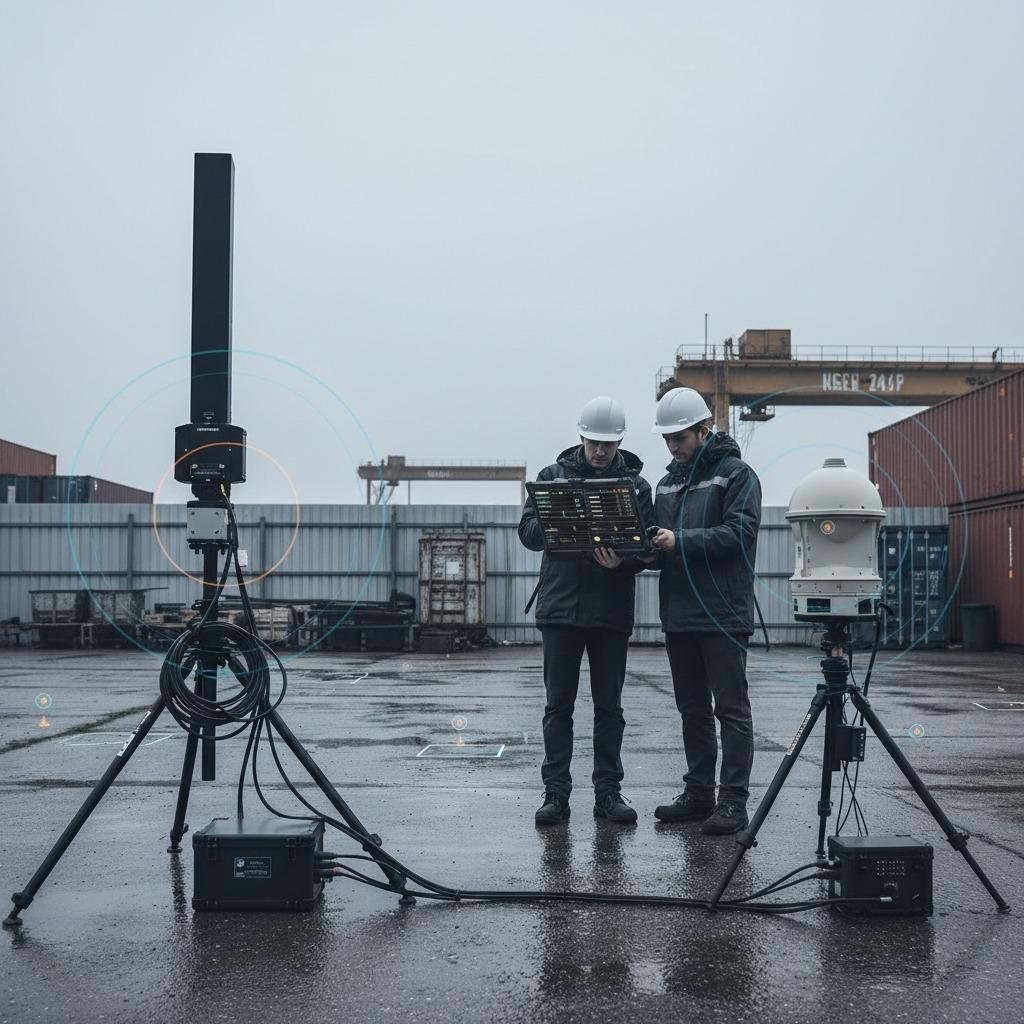
Why detection range is not just a number on a datasheet
When engineers compare sensor or radar options, Detection range is often the first figure they look for. That makes sense. Range tells you how far a system can see, but in real projects the more important question is what it can reliably see at that distance, under actual operating conditions. A long range spec can look impressive and still be disappointing if range accuracy drifts, weak targets disappear, or track initiation is slow in cluttered environments.
For sourcing managers and product teams, this becomes a practical tradeoff exercise. Do you need early warning at the edge of the field, or dependable tracking near the limit of the system’s useful envelope? Should you prioritize velocity resolution for moving targets, or spend more attention on false track mitigation so operators are not flooded with noise? The right answer depends on the application, but the decision is rarely made by range alone.
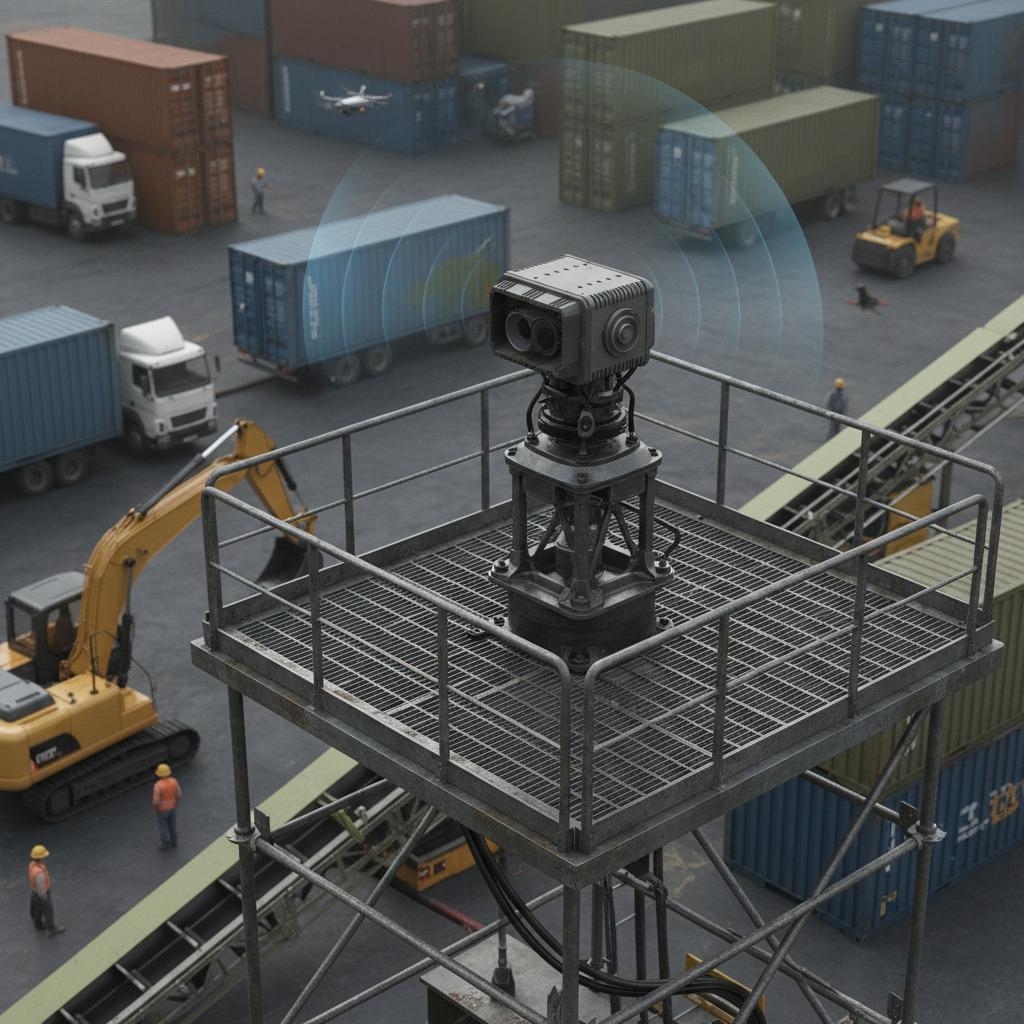
What detection range really tells you
In simple terms, detection range describes how far a system can detect a target with usable confidence. In practice, that number is shaped by target size, reflectivity, motion, environmental clutter, antenna design, signal processing, and the threshold settings used by the operator or integrator. A system advertised with a longer detection range may still perform poorly if it struggles with target discrimination or cannot maintain stable tracks once objects enter the scene.
This is why buyers should read the spec sheet as a starting point, not a verdict. The same platform may behave very differently in open terrain, indoor spaces, coastal conditions, or dense industrial yards. If your application involves small, low-observable, or fast-moving targets, the useful range can be meaningfully shorter than the headline figure.
Key performance factors that sit behind the number
Range accuracy
Range accuracy matters when the system must estimate distance precisely, not simply detect presence. If the platform detects a target but places it too far ahead or behind, downstream decisions can suffer. This matters in automation, safety, and guided response systems where location confidence is part of the workflow.
Velocity resolution
Velocity resolution is easy to overlook until moving targets enter the scene. Better resolution helps the system separate objects that may be close in range but traveling at different speeds. That can improve operator clarity and support more stable classification, especially in dynamic environments.
Track initiation
Track initiation refers to how quickly the system turns a detection into a usable track. Slow initiation can be a real operational problem. In fast-moving applications, a delayed track means a delayed response. Buyers often focus on maximum range, then discover that the system is sluggish when a target first appears at the edge of coverage.
False track mitigation
False track mitigation is not a luxury feature. It is what keeps the display credible. A system that generates too many false tracks may force operators to ignore alerts, which defeats the point of the investment. Good filtering, better clutter rejection, and sensible thresholding can matter as much as raw detection distance.
How to compare systems without getting misled
A useful comparison starts with the actual operating environment. Ask where the target will appear, how fast it will move, what kind of background clutter is present, and whether the target must be detected once or tracked continuously. Then compare not only detection range, but also range accuracy, velocity resolution, track initiation behavior, and the system’s handling of false alarms.
It also helps to test whether the specification was measured under conditions that resemble your own. Range claims made in clean, controlled settings can shrink quickly once weather, surface reflections, or machine-to-machine interference enters the picture. That is not unusual; it is just the difference between a lab figure and a buyer’s reality.
Common mistakes buyers make
The most common mistake is overbuying range and underbuying reliability. A second mistake is ignoring the target profile. A system that works well for large reflective objects may be weak on smaller or partially obscured ones. Another frequent error is assuming track initiation will be instant because the detection range looks strong. In some applications, the first few seconds matter more than the farthest distance.
It is also worth being cautious about comparing products using only one headline metric. If one supplier emphasizes range and another emphasizes resolution, you are not comparing like with like. A narrow but honest specification set is often more useful than a broad marketing claim.
Practical buyer advice
Start with the detection task, not the product category. Define the smallest target you must see, the farthest distance at which it must be seen, and whether the output needs to be a simple alert or a stable track. Then ask vendors how range accuracy behaves at distance, how velocity resolution affects moving objects, and what the system does to prevent false track mitigation from becoming overly aggressive.
If you can, request application-relevant test data or run a site trial. Even a short trial often reveals whether the system is quiet, stable, and responsive, or merely impressive on paper. That small step can prevent a costly mismatch later.
Quick takeaway for engineering and sourcing teams
Detection range is the headline, but the purchasing decision usually turns on what happens near the edge of that range. A good system balances reach with range accuracy, maintains usable velocity resolution, initiates tracks quickly, and filters clutter without hiding real targets. That balance is what turns a technical spec into something an operation can trust.
Next step
When you evaluate systems, build your shortlist around the full detection chain, not range alone. If you are preparing an RFQ or comparison sheet, define the target, environment, and acceptance criteria first, then ask suppliers to map their performance against those conditions.