






Overcoming Challenges in Doppler Velocity Detection for Reliable Motion Sensing
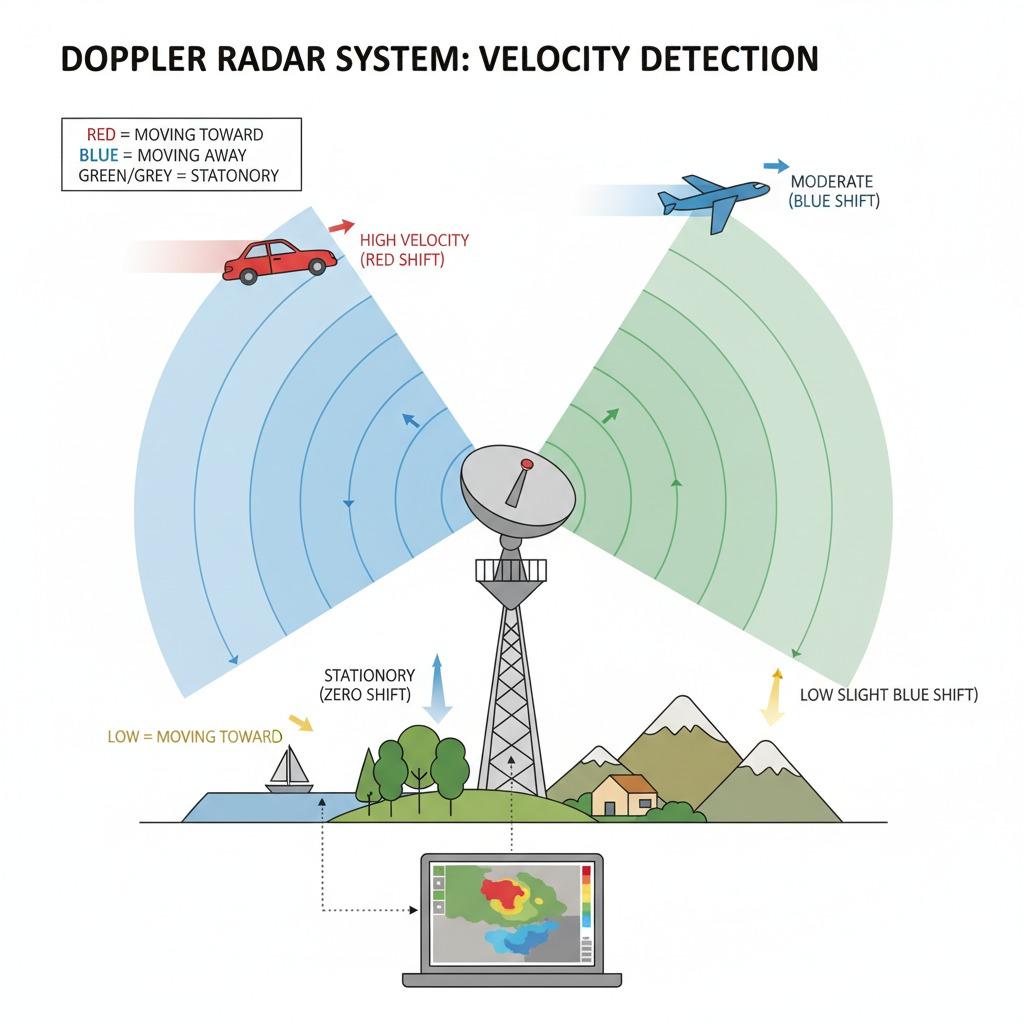
In the realm of radar and sensor technologies, Doppler velocity detection stands as a cornerstone for accurately measuring the speed and direction of moving objects. However, professionals in fields like autonomous driving, surveillance, and weather monitoring often face significant hurdles. Interference from environmental noise, cluttered signals, and rapidly changing scenes can lead to inaccurate readings, resulting in failed detections or false alarms. This problem is particularly acute in dynamic environments where distinguishing genuine motion from background statics is crucial. Without effective solutions, systems relying on Doppler velocity detection risk inefficiency and unreliability, hampering applications that demand precision.
Addressing Interference with Moving Object Segmentation
One primary challenge in Doppler velocity detection is isolating true moving targets amid a sea of irrelevant data. Moving object segmentation emerges as a vital solution, enabling systems to delineate and extract only the relevant moving entities from the radar returns. By applying advanced algorithms that analyze velocity profiles, this technique filters out non-moving elements, enhancing the clarity of Doppler signals. For instance, in traffic monitoring setups, moving object segmentation ensures that vehicles are precisely outlined against stationary roadside objects, improving overall detection accuracy. Integrating this with Doppler velocity detection not only reduces computational load but also boosts real-time performance, making it indispensable for high-stakes scenarios.
Eliminating Noise Through Stationary Clutter Removal
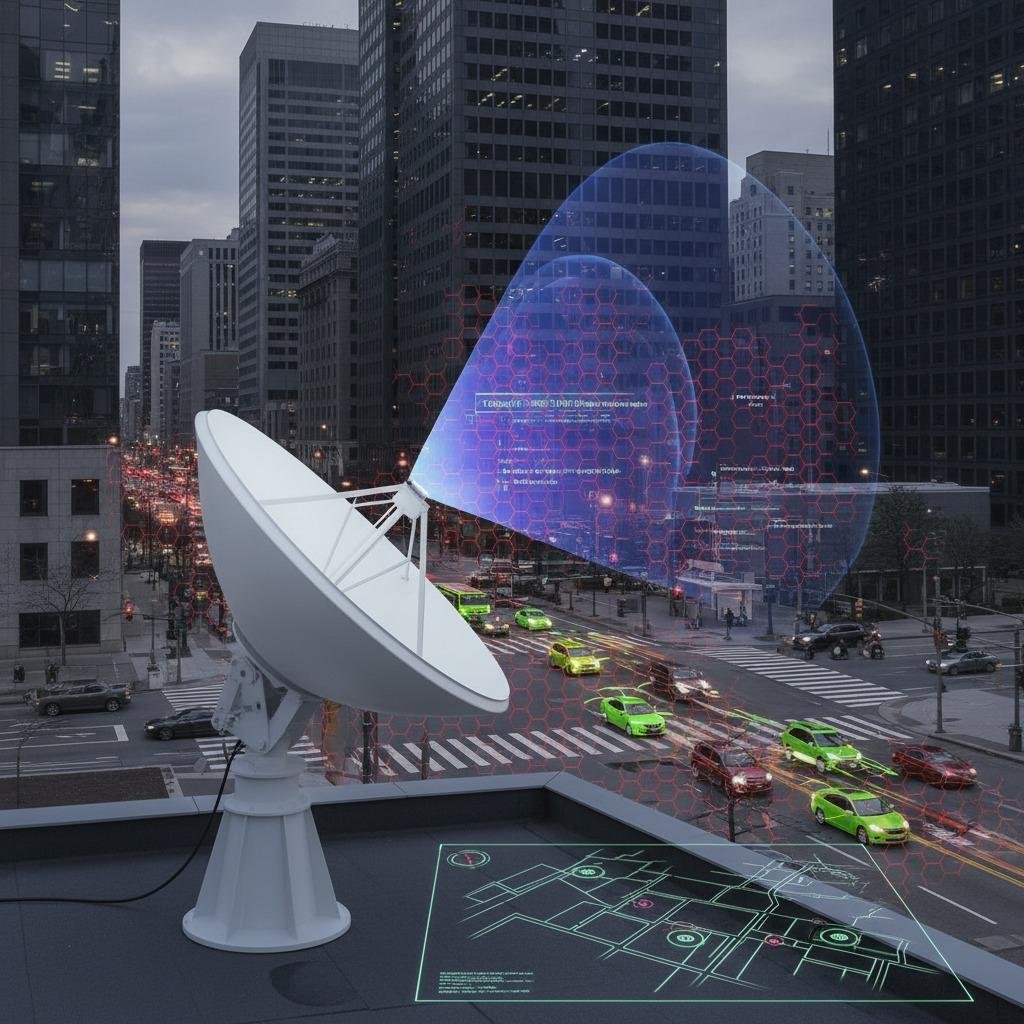
Stationary clutter, such as fixed structures or environmental echoes, frequently corrupts Doppler velocity detection outputs, leading to erroneous velocity estimates. Stationary clutter removal techniques provide a robust countermeasure by identifying and suppressing these static signals before they impact the core detection process. Methods like adaptive thresholding or frequency-domain filtering can effectively subtract clutter, allowing the system to focus on genuine Doppler shifts from moving objects. In practice, this solution has proven transformative in urban radar applications, where buildings and trees create persistent noise. By implementing stationary clutter removal, engineers can achieve cleaner spectra, resulting in more reliable velocity measurements and fewer operational disruptions.
Enhancing Signal Quality via Adaptive Beamforming
Dynamic environments often introduce directional variations that degrade Doppler velocity detection, causing signal dilution from off-axis interferences. Adaptive beamforming addresses this by dynamically adjusting the antenna array's focus to prioritize signals from the direction of interest. This technique optimizes the beam pattern in real-time, suppressing sidelobe interference while amplifying the target echo, thereby refining velocity detection precision. Particularly useful in phased-array radar systems, adaptive beamforming adapts to changing conditions, such as varying object trajectories, ensuring consistent performance. When combined with Doppler velocity detection, it minimizes angular errors, offering a scalable solution for applications like drone navigation or military surveillance.
Ensuring Responsiveness with Dynamic Scene Updating
A persistent issue in Doppler velocity detection is the lag in adapting to evolving scenes, where sudden changes in object motion or environment can render static models obsolete. Dynamic scene updating solves this by continuously refreshing the system's understanding of the surroundings, incorporating new data into the detection framework. This involves real-time recalibration of velocity thresholds and background models, allowing seamless tracking of accelerations or decelerations. In scenarios like wildlife monitoring or security perimeters, dynamic scene updating prevents detection blind spots, maintaining vigilance over time. Ultimately, it transforms Doppler velocity detection from a rigid tool into a flexible, adaptive powerhouse.
By tackling these core problems—through moving object segmentation, stationary clutter removal, adaptive beamforming, and dynamic scene updating—Doppler velocity detection becomes far more effective. These solutions not only mitigate common pitfalls but also pave the way for innovative advancements in motion-sensing technologies, ensuring safer, smarter, and more efficient systems across industries.