






Overcoming Challenges in Drone Velocity Measurement with Advanced Radar Technology
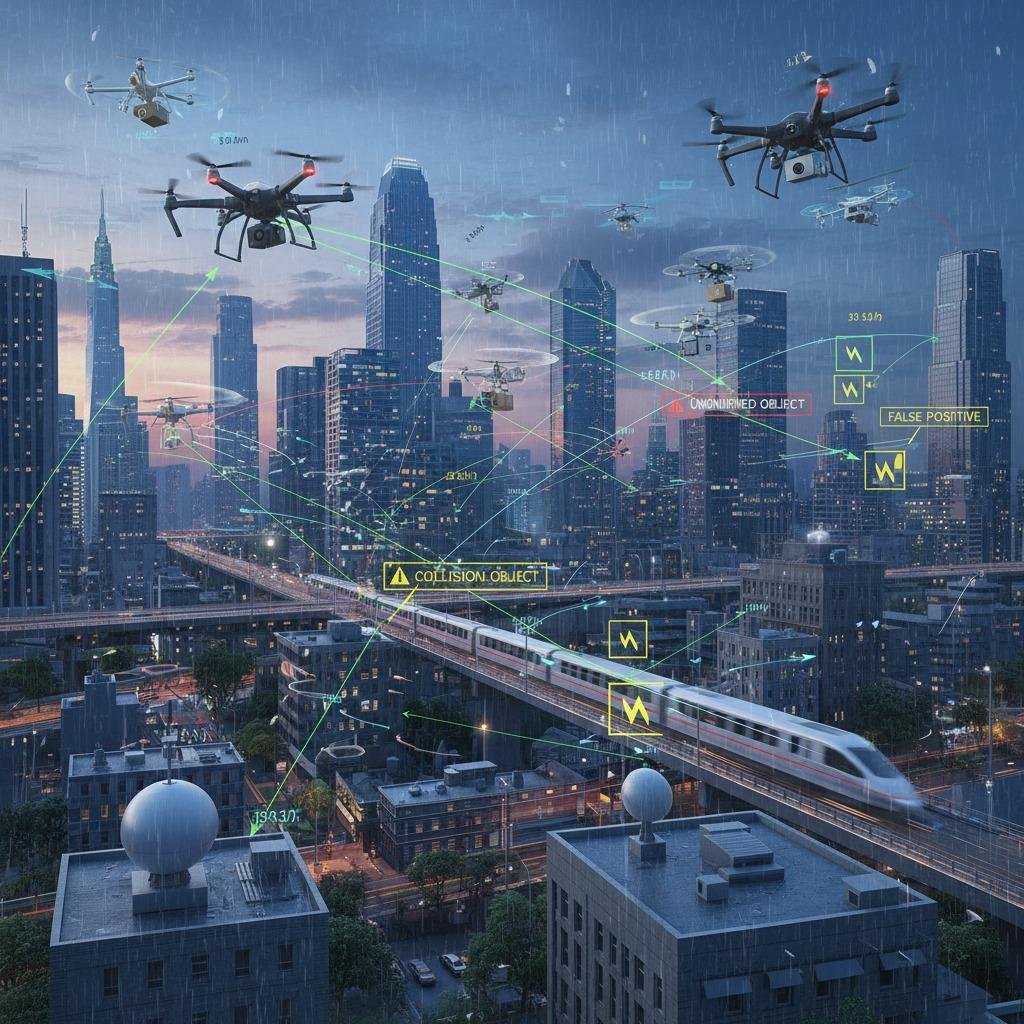
In the rapidly evolving world of unmanned aerial vehicles (UAVs), accurate drone velocity measurement radar is essential for ensuring safe and efficient operations. Traditional methods often fall short in detecting speeds and trajectories in dynamic environments, leading to potential risks in airspace management and collision avoidance. This problem is particularly acute for industries like delivery services, surveillance, and agriculture, where drones operate at varying speeds and in cluttered skies. Without reliable velocity data, operators face delays, safety hazards, and regulatory compliance issues.
The Core Problem: Inaccurate Speed Detection in UAV Environments
One major challenge is the unreliable detection of UAV moving object detection in real-time scenarios. Conventional sensors struggle with environmental interferences such as weather conditions, urban clutter, or low-light settings, resulting in missed detections or erroneous speed readings. For instance, optical systems can be blinded by fog or direct sunlight, while GPS-based tracking lacks the precision needed for high-speed maneuvers. This inaccuracy not only hampers operational efficiency but also increases the likelihood of accidents, especially in multi-drone fleets where precise velocity monitoring is critical. As drone usage surges, the demand for robust solutions that can handle these complexities has never been greater.
Advanced Solutions: Harnessing 4D mmWave Radar for Precision Tracking
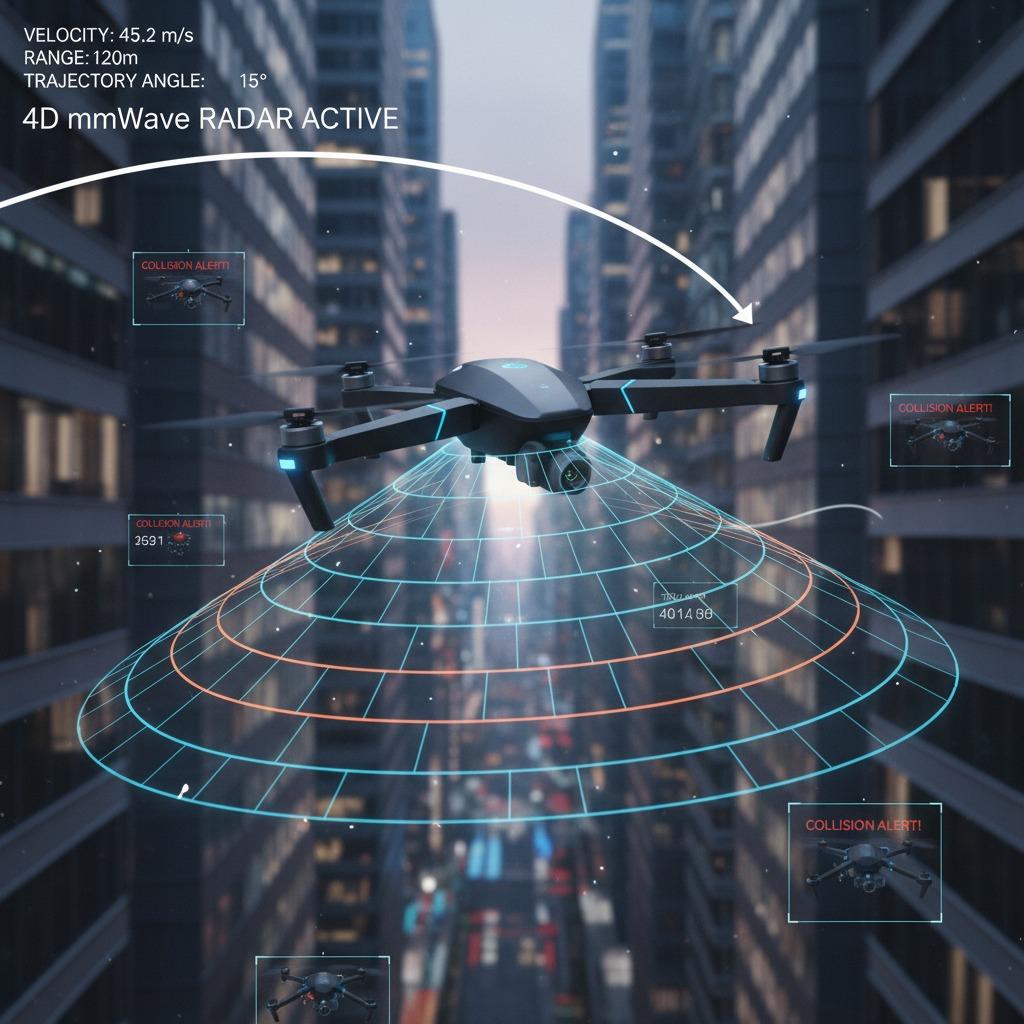
Enter cutting-edge technologies like 4D mmWave radar tracking, which addresses these pain points by providing high-resolution velocity and position data regardless of environmental factors. Unlike legacy systems, 4D mmWave radar uses millimeter-wave signals to create a four-dimensional image—capturing range, velocity, azimuth, and elevation—for unparalleled accuracy in drone speed detection sensor applications. This radar excels in penetrating obstacles and operating in adverse weather, making it ideal for continuous monitoring. For multi-target tracking radar UAV operations, it can simultaneously track multiple drones, distinguishing between them even in dense formations. By integrating such radar, operators can achieve real-time insights into drone velocities, enabling proactive adjustments and enhanced safety protocols.
Spotlight on LINPOWAVE U300: A Game-Changing Drone Velocity Measurement Radar
The LINPOWAVE U300 stands out as a premier drone velocity measurement radar solution, specifically engineered for UAV applications. This compact, high-performance device leverages 4D mmWave radar tracking to deliver precise UAV moving object detection and drone speed detection sensor capabilities. With its advanced algorithms for multi-target tracking radar UAV scenarios, the U300 can monitor speeds up to 200 km/h with sub-meter accuracy, even in challenging conditions like rain or dust. Users benefit from seamless integration into existing drone systems, providing actionable data for velocity optimization and path planning. For example, in agricultural spraying missions, the LINPOWAVE U300 ensures drones maintain optimal speeds to cover fields efficiently without overlapping or gaps. Its low power consumption and robust build make it suitable for both commercial and industrial use, reducing downtime and operational costs.
Implementing Radar Solutions for Future-Proof Drone Operations
To fully leverage these technologies, start by assessing your specific needs—whether it's single-drone velocity monitoring or fleet-wide multi-target tracking radar UAV management. Integrating a drone speed detection sensor like the LINPOWAVE U300 involves straightforward setup with plug-and-play compatibility to popular UAV platforms. Regular calibration and software updates further enhance 4D mmWave radar tracking performance, ensuring long-term reliability. By adopting these solutions, businesses can mitigate risks associated with inaccurate UAV moving object detection, streamline workflows, and scale operations confidently. Ultimately, investing in advanced drone velocity measurement radar not only solves current challenges but also positions your operations at the forefront of aerial innovation, driving efficiency and safety in an increasingly drone-dependent world.