







How to integrate millimeter-wave radar into agricultural spraying drones to achieve precision agriculture?
In the ever-evolving field of precision agriculture, millimeter-wave radar, with its superior performance, has become a transformative tool for improving the efficiency of agricultural spraying drones. This high-frequency radar technology enables drones to detect obstacles, map terrain, and ensure precise spraying even in adverse conditions such as fog and haze. By applying millimeter-wave radar to agricultural drones, farmers can achieve unprecedented precision, thereby reducing the overuse of chemicals and increasing crop yields. In this guide, you will learn how to leverage this technology to revolutionize your agricultural production.
Understanding millimeter-wave radar and its role in agricultural drones
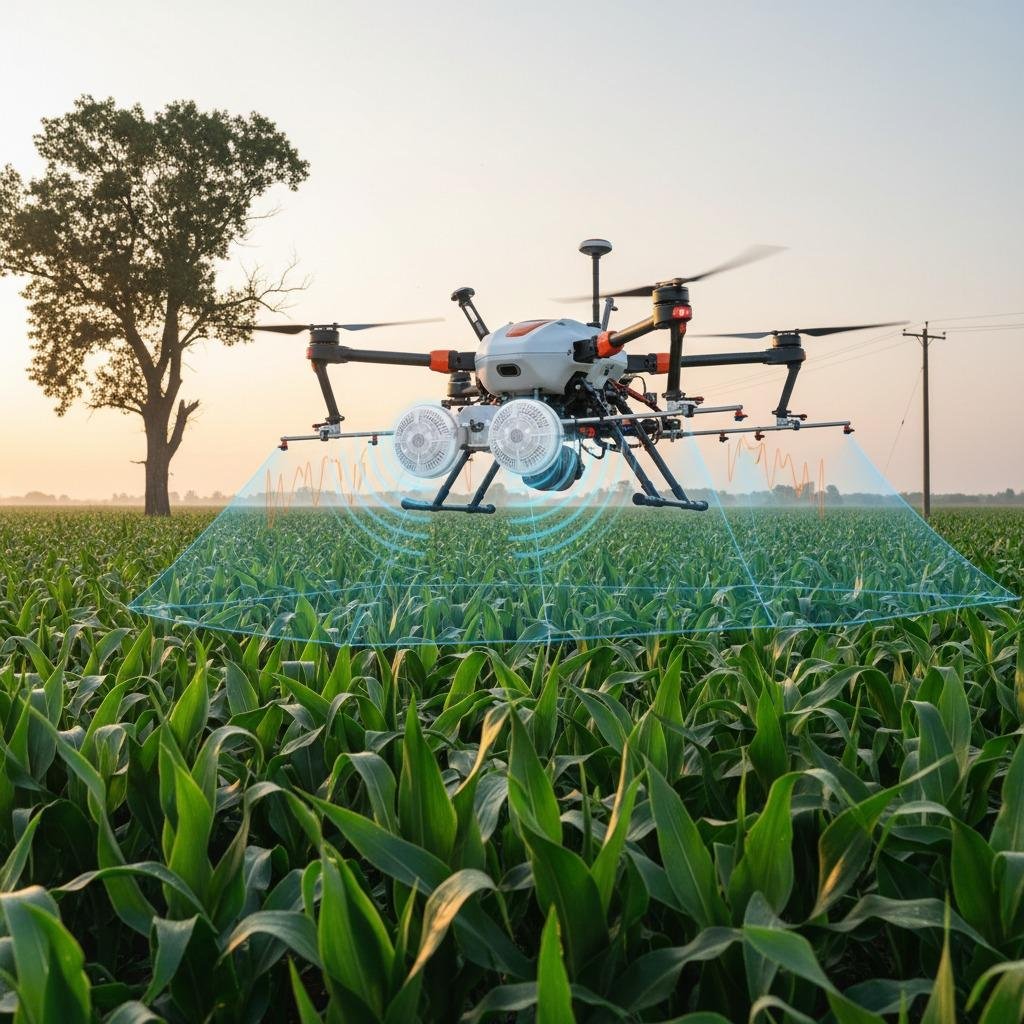
Millimeter-wave radar operates using millimeter waves, providing superior sensing capabilities compared to traditional sensors, even in adverse weather conditions. In the field of agricultural drones, this technology enables spraying drones to fly in complex field environments, minimizing the impact of factors such as rain, strong winds, or low visibility. First, choose a drone model compatible with millimeter-wave radar, such as this revolutionary agricultural spraying drone, which features a robust hexacopter structure to ensure flight stability. Its aerodynamic fuselage and large-capacity tank make it ideal for large-scale operations, while millimeter-wave radar enhances its obstacle avoidance capabilities and optimizes flight paths. First, assess the terrain of your farm—hilly or flat—and ensure the radar module supports a detection range of up to 100 meters for comprehensive coverage. Combining radar technology with GPS integration (as used in this drone) creates a seamless route planning system, minimizing human error and labor costs.
Step-by-step guide to the deployment of millimeter wave technology in agriculture
Applying millimeter-wave radar to crop management drones requires a structured approach. First, select a high-quality millimeter-wave sensor suite specifically designed for drones, ensuring easy interface with the drone's control system. For agricultural spraying drones, the installation process involves mounting the radar unit on the landing gear, allowing it to scan the ground and surrounding environment without obstructing advanced nozzles. These nozzles evenly distribute fertilizers and pesticides, while the radar ensures precise spraying by detecting crop density and gaps in real time. Next, calibrate the system using the drone's intelligent control interface: input field coordinates via GPS and test the radar's resolution to confirm its ability to detect obstacles as small as 10 centimeters. Conduct initial flights on a small test plot to fine-tune sensitivity and adjust based on variables such as vegetation height. With the drone's real-time monitoring and data analysis capabilities, farmers can track spray distribution and adjust parameters as needed. Remember, the drone's weather-resistant construction, made of durable materials, complements the millimeter-wave radar's reliability across various climatic conditions, ensuring uninterrupted operation during critical spraying windows.
Utilizing remote sensing technology to optimize precision agriculture technology
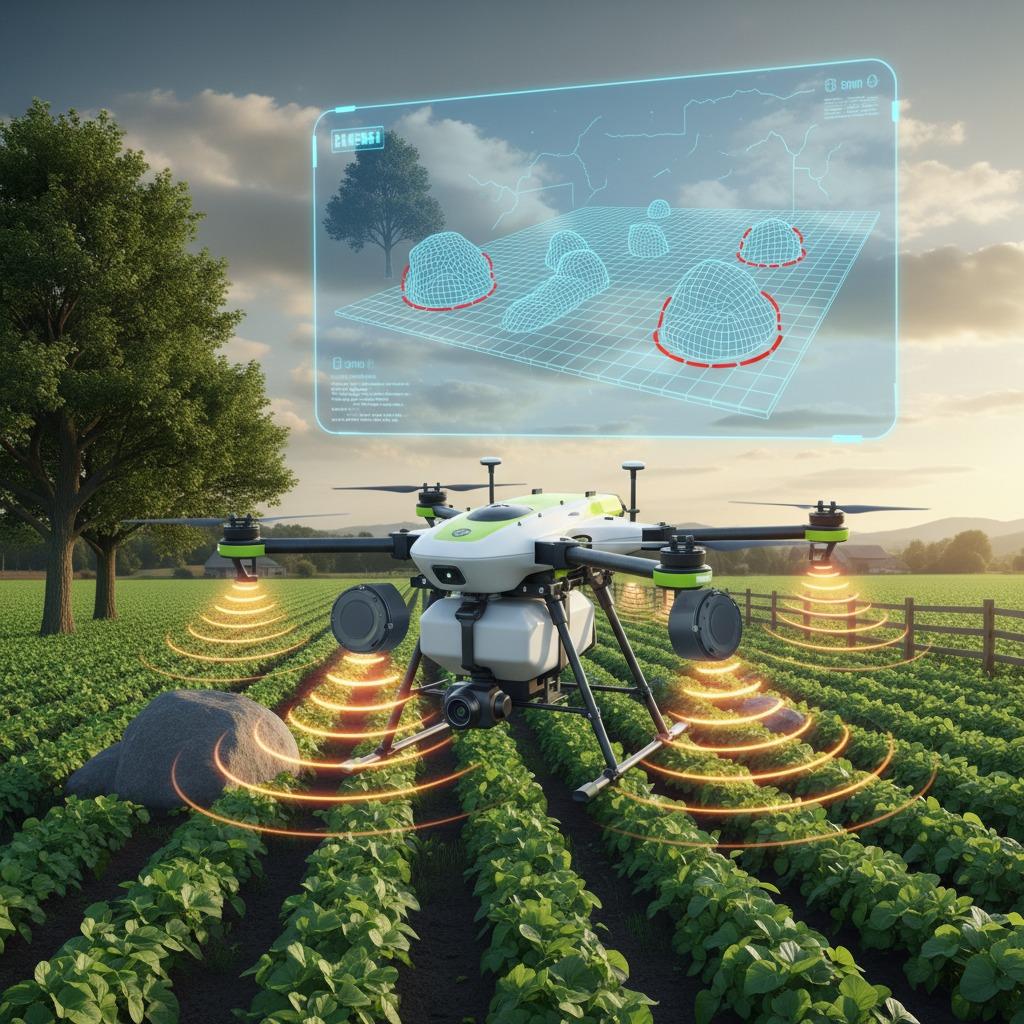
Once installed, millimeter-wave radar is integrated with agricultural remote sensing equipment to maximize its advantages in spraying drones. This combination can collect advanced data such as soil moisture and plant health to guide precision application. For example, radar can be used to create 3D field maps, guiding drones to fly autonomously and efficiently cover large areas while minimizing overlap and waste. The ingenious design of agricultural spraying drones also supports this, with all sensors compactly integrated to promote environmentally friendly practices through precise chemical application. Performance is monitored through the drone's analytics dashboard, which records radar data and spraying metrics to analyze efficacy across multiple seasons. To scale, train your team to interpret radar output—focusing on areas with high pest and disease incidence or anomalies in uneven terrain. Regular maintenance, such as cleaning the radar lens after dusty flights, ensures the system always performs at its best. By adopting millimeter-wave technology in agriculture, you can not only reduce costs but also promote sustainable agriculture, aligning with the global trend towards precision agriculture technologies.
Advanced Techniques for Drone Radar Technology in Agriculture and Crop Management
To enhance your equipment's performance, you can explore software upgrades that integrate millimeter-wave radar data with artificial intelligence for predictive spraying. This technology predicts crop needs based on historical radar scans from past flights. For agricultural drones like the spraying drone shown in the image, ensure firmware updates include enhanced radar algorithms to improve low-altitude hovering performance, crucial for even spraying through dense crop canopies. Test integration with farm management applications to visualize radar data, aiding decision-making such as determining optimal spraying times. Finally, consider scalability: start with a single drone and gradually expand your fleet, leveraging shared radar data across units for farm-wide optimization. Through these steps, millimeter-wave radar transforms agricultural spraying drones into intelligent assistants, boosting productivity and sustainability in modern agriculture.