






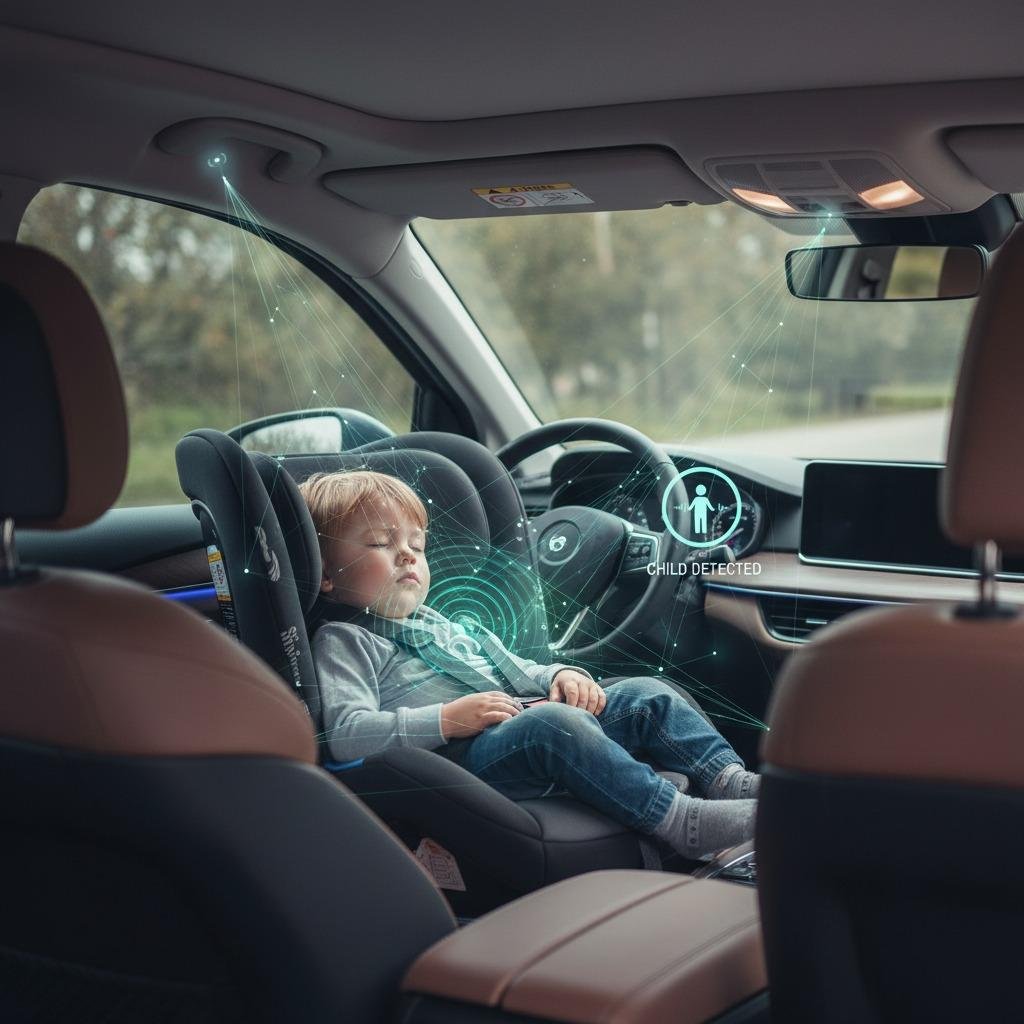
Introduction to Emerging Safety Trends in Europe
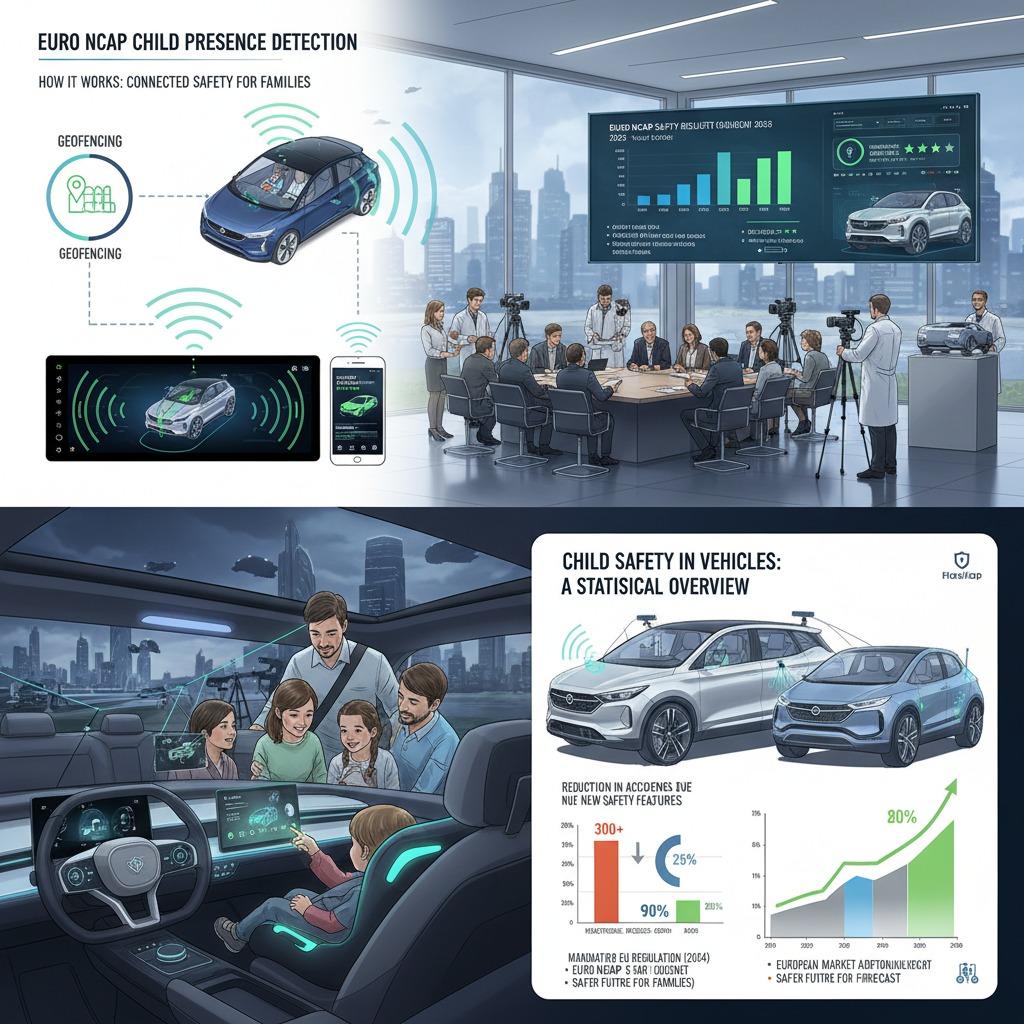
The automotive industry is undergoing a transformative shift towards enhanced occupant protection, with Euro NCAP Child Presence Detection emerging as a pivotal trend. As vehicles become smarter and more connected, this technology focuses on preventing tragic oversights by detecting children left unattended in cars. Recent evaluations by Euro NCAP highlight how manufacturers are integrating advanced sensors to meet rising safety standards, reflecting a broader push for proactive risk mitigation in daily driving scenarios.
The Rise of Automotive Safety Radar Systems
At the heart of this evolution lies the Automotive Safety Radar System, which uses radar technology to monitor the interior of vehicles with remarkable precision. Unlike traditional cameras that can be hindered by lighting or privacy concerns, radar systems penetrate materials and detect vital signs even in low-visibility conditions. In 2023, several leading automakers began incorporating these systems into their models to comply with upcoming mandates, marking a significant trend towards radar-based interior surveillance. This not only aids in child detection but also enhances overall cabin safety by identifying other vulnerable occupants. As Euro NCAP ramps up its testing protocols, the adoption of such radar innovations is projected to surge by 30% in the European market by 2025, driven by consumer demand for peace-of-mind features.
Navigating CPD Regulation Europe and Compliance Challenges
The CPD Regulation in Europe is set to become a cornerstone of vehicle homologation starting in 2024, mandating that all new cars sold in the EU include child presence detection capabilities. This regulation stems from alarming statistics showing hundreds of child heatstroke deaths annually, prompting lawmakers to enforce technologies that alert guardians or emergency services automatically. Automakers are responding by embedding Euro NCAP Child Presence Detection into their designs, often combining it with geofencing and smartphone integrations for real-time notifications. However, the trend reveals challenges: smaller manufacturers struggle with retrofit costs, while luxury brands lead with seamless implementations. Industry analysts predict that by 2026, over 80% of European vehicles will feature compliant systems, reshaping production lines and supply chains.
Advancements in In-Cabin Monitoring for Safety
In-Cabin Monitoring for Safety represents another booming trend, expanding beyond child detection to encompass driver drowsiness and passenger positioning. Integrated with Euro NCAP Child Presence Detection, these systems employ AI-driven algorithms to differentiate between adults, children, and even pets, ensuring tailored responses. Recent prototypes from European OEMs demonstrate how millimeter-wave radars provide 360-degree coverage without invasive hardware, aligning with privacy-focused regulations like GDPR. This holistic approach is gaining traction in fleet management and ride-sharing services, where safety metrics directly impact operational viability. As trends evolve, in-cabin monitoring is poised to become standard, potentially reducing accident-related fatalities by 15%, according to safety research bodies.
Future of Vehicle Safety Occupant Detection
Looking ahead, Vehicle Safety Occupant Detection is evolving into a multifaceted ecosystem that includes haptic feedback, automated climate control adjustments, and integration with autonomous driving features. The synergy with Euro NCAP Child Presence Detection underscores a trend towards zero-tolerance for oversight errors in vehicles. European regulators are collaborating with tech firms to standardize detection thresholds, ensuring reliability across diverse vehicle types from compact city cars to SUVs. With investments pouring in—estimated at €2 billion this year alone—the industry is on the cusp of a safety renaissance. This trend not only safeguards lives but also elevates the competitive edge for brands prioritizing innovation in occupant protection.