





How to Implement Traffic Monitoring Radar for Smarter Urban Mobility
In today's fast-paced urban environments, effective traffic monitoring radar technology is essential for optimizing roadways and ensuring public safety. As cities grow, managing traffic becomes increasingly complex, and integrating advanced systems like Traffic Monitoring Radar can provide real-time insights that traditional methods simply can't match. This guide will walk you through the steps to implement Traffic Monitoring Radar, drawing on innovative solutions to enhance your traffic management strategy.
Understanding the Basics of Traffic Monitoring Radar
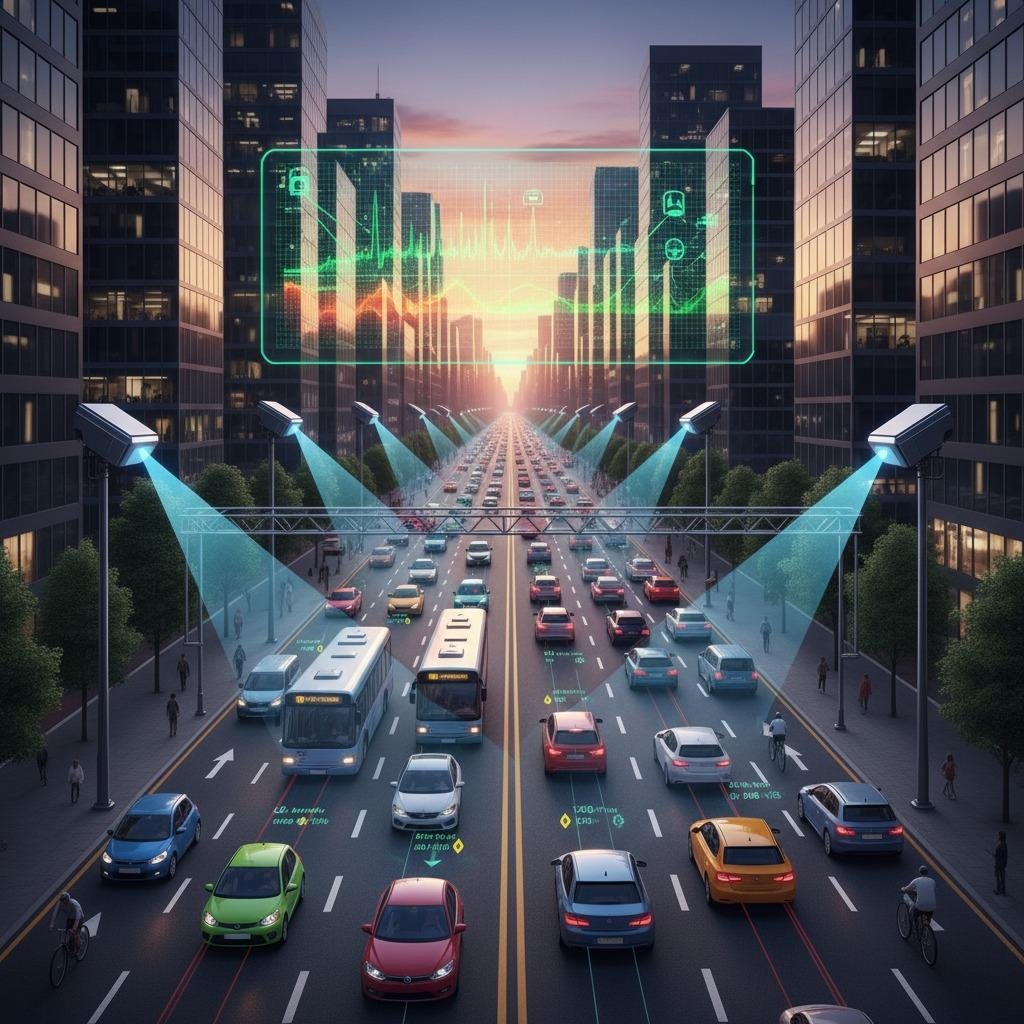
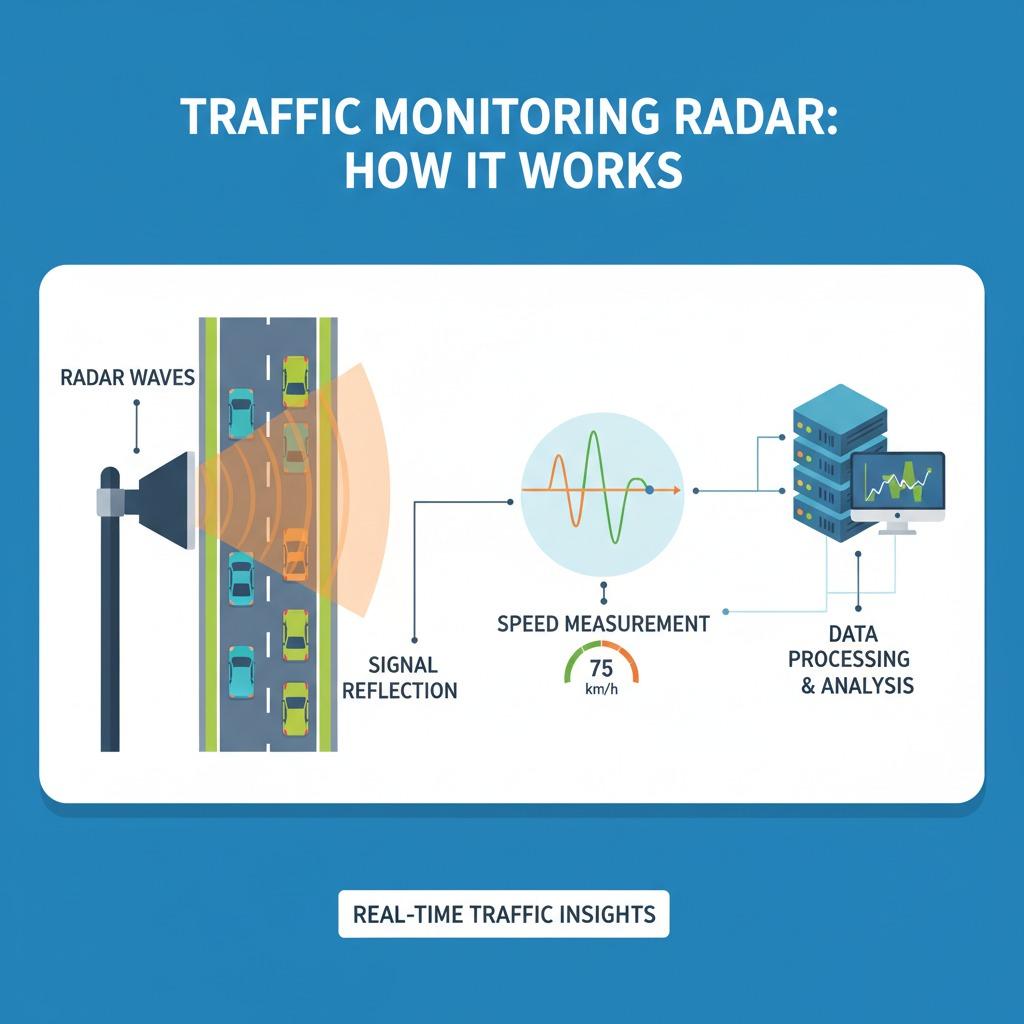
To start, grasp what Traffic Monitoring Radar entails. This technology uses radar waves to detect and track vehicles, providing accurate data on speed, position, and flow without relying on cameras alone. It's a cornerstone of radar traffic management, allowing authorities to monitor highways and intersections efficiently. Begin by assessing your current traffic challenges—identify high-congestion areas or accident-prone zones. Select a system that includes speed detection radar for precise velocity measurements, ensuring it complies with local regulations. For instance, our state-of-the-art Intelligent Intersection System incorporates advanced sensors that align perfectly with these needs, offering seamless integration into existing infrastructure.
Next, plan your deployment. Map out key locations where Vehicle Radar Systems will have the most impact, such as busy urban corridors. Consider environmental factors like weather resistance and installation height to maximize coverage. During this phase, evaluate how traffic flow analysis from the radar will feed into broader systems, helping predict patterns and adjust controls dynamically.
Setting Up Your Radar Traffic Management System
Once you've chosen your equipment, installation is crucial for reliable real-time traffic monitoring. Mount the radar units at optimal angles—typically 20-30 feet above the road for unobstructed views. Connect them to a central control unit that processes data in real-time. Our Intelligent Intersection System excels here, with dynamic traffic control features that adapt signal timings based on incoming radar data, reducing wait times by up to 30%.
Integrate Radar Systems for Traffic with software for Traffic Surveillance Radar capabilities. This setup allows for continuous monitoring, alerting operators to anomalies like sudden stops or speeding. Test the system thoroughly: simulate various traffic scenarios to calibrate accuracy. Incorporate vehicle speed monitoring modules to enforce limits effectively, ensuring the system not only detects but also responds to violations through integrated alerts.
Don't overlook connectivity. Link your setup to city-wide networks for Advanced Traffic Radar benefits, enabling data sharing with emergency services or navigation apps. This step transforms isolated monitoring into a cohesive ecosystem, much like how our system's smart connectivity interfaces with vehicle-to-infrastructure communication for proactive management.
Leveraging Data from Traffic Monitoring Radar
After setup, the real value emerges in data utilization. Use the insights from traffic flow analysis to generate reports on peak hours, bottlenecks, and trends. Our Intelligent Intersection System provides comprehensive analytics, empowering planners to refine road designs or add signage where needed.
To ensure accurate real-time traffic monitoring, perform ongoing maintenance such as firmware updates and signal interference checks. Train your team to interpret radar outputs, with a focus on how Speed Detection Radar data can inform policy changes, such as adjusting speed limits in variable zones.
Finally, consider scaling your approach. Begin with pilot intersections outfitted with Vehicle Radar Systems, and then expand based on performance indicators. Prioritizing safety features, such as collision detection in our enhanced measures, improves flow while also building trust with commuters. This comprehensive implementation of traffic monitoring radar establishes your city as a smart mobility leader, promoting safer, more efficient travel for everyone.
In summary, implementing Traffic Monitoring Radar in structured steps produces transformative results. From initial assessment to data-driven optimizations, tools like our Intelligent Intersection System make the process simple and effective, revolutionizing urban traffic management for the better.