





How to Implement Traffic Monitoring Radar for Smarter Urban Mobility
In today's fast-paced urban environments, integrating traffic monitoring radar technology is essential for efficient city planning and safety. This guide will walk you through the steps to deploy and optimize such systems, drawing from cutting-edge innovations in traffic management. Whether you're a city planner or infrastructure manager, understanding how to leverage traffic monitoring radar can transform chaotic intersections into seamless flow zones.
Understanding the Basics of Traffic Monitoring Radar
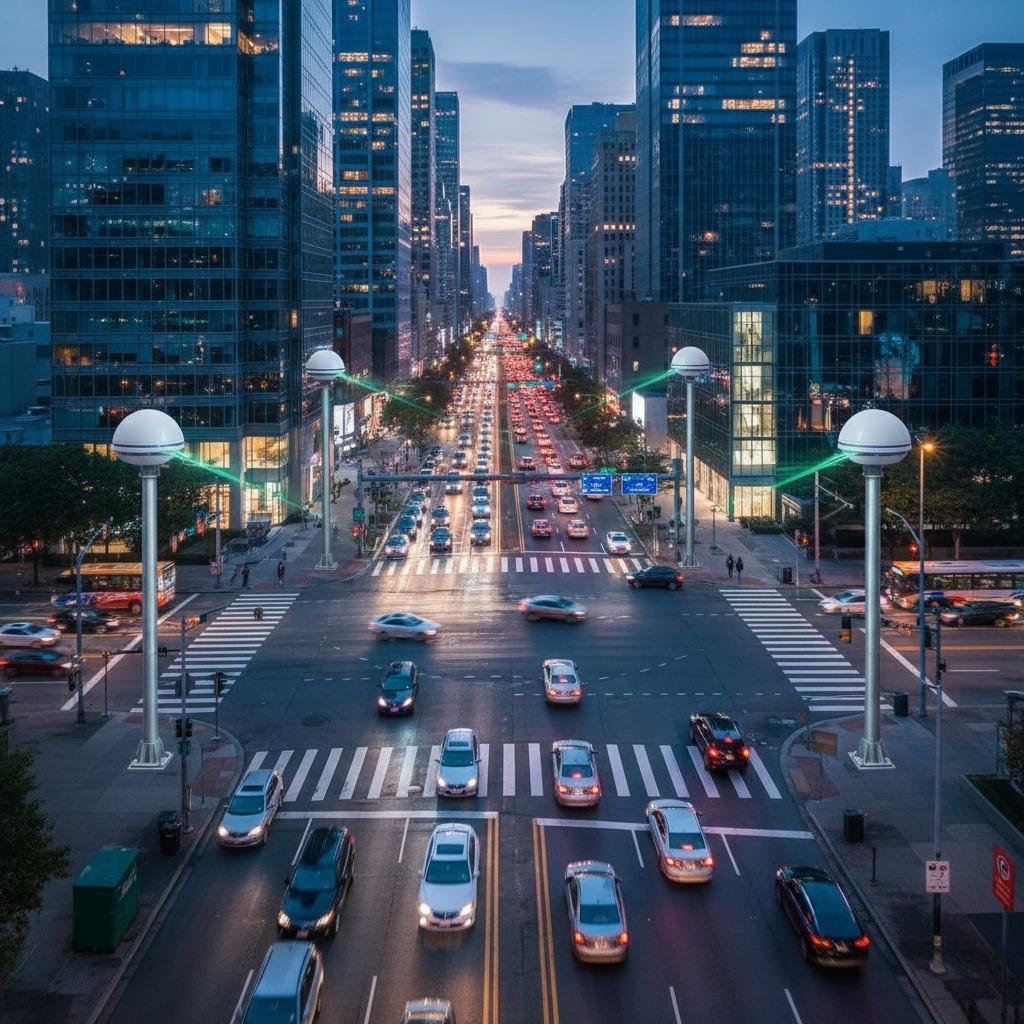
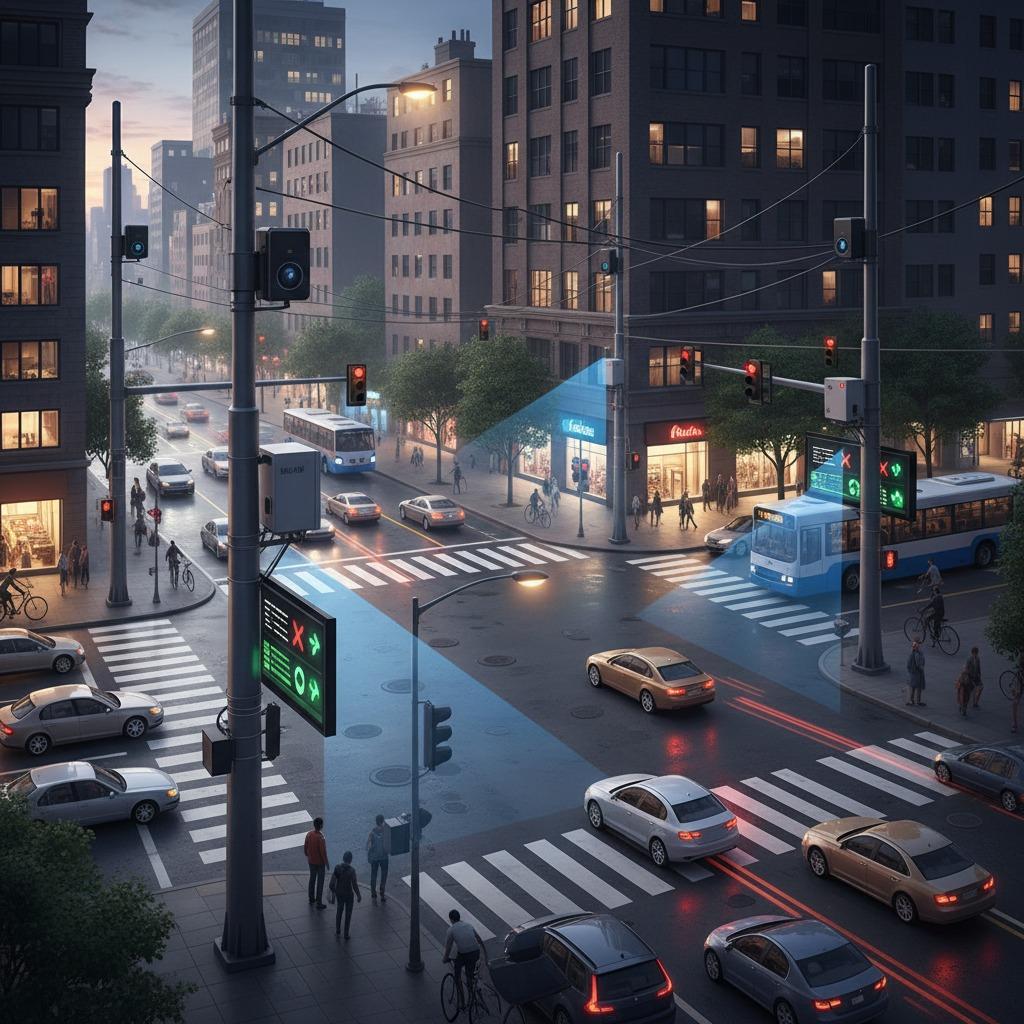
Traffic Monitoring Radar uses advanced sensor technology to detect and track vehicles in real-time, providing data on speed, direction, and volume without invasive methods. Start by assessing your urban landscape: identify high-traffic intersections where congestion is frequent. Begin with a site survey to determine optimal sensor placement, such as on poles or dedicated towers around key points. These radars, often equipped with AI-driven processing, integrate seamlessly with existing infrastructure like traffic lights. For instance, position the radar units to cover multiple lanes, ensuring they capture data from all angles. This foundational step ensures accurate baseline data for further analysis, setting the stage for effective radar traffic management.
Selecting and Installing Speed Detection Radar Components
Once you've mapped your needs, choose components tailored for Speed Detection Radar. Opt for systems that offer high-resolution detection, capable of measuring velocities up to highway speeds with pinpoint accuracy. Installation involves mounting the radar modules on stable structures, typically 10-15 feet above ground to avoid obstructions. Connect them to a central processing unit for data aggregation, and integrate with digital mapping software to visualize traffic patterns. During setup, calibrate the devices using test vehicles to verify precision. Remember, vehicle radar systems should be weather-resistant and compatible with IoT networks for remote monitoring. This phase might take a few days per site, but it pays off by enabling proactive adjustments, such as alerting drivers to speed zones via variable message signs.
Integrating Real-Time Traffic Monitoring for Flow Analysis
With hardware in place, focus on software integration for real-time traffic monitoring. Use platforms that process radar data to generate live feeds, overlaying insights on digital maps for instant visualization. Configure algorithms for traffic flow analysis, which track vehicle density and predict bottlenecks. For example, link the system to smart traffic signals that adjust timings based on incoming data, reducing wait times by up to 30%. Test the setup during peak hours to fine-tune sensitivity, ensuring the radar distinguishes between cars, trucks, and pedestrians. Advanced setups can incorporate machine learning to learn from historical data, improving accuracy over time. This step transforms raw data into actionable intelligence, enhancing overall radar systems for traffic efficiency.
Advanced Applications with Traffic Surveillance Radar
Elevate your deployment with Traffic Surveillance Radar features for comprehensive oversight. These systems not only monitor speed but also detect anomalies like wrong-way driving or sudden stops. Pair them with vehicle speed. Monitoring tools to enforce regulations automatically, issuing alerts to authorities. In bustling cities, integrate with emergency response networks so radars prioritize paths for ambulances by clearing routes dynamically. Use the data for long-term planning, such as redesigning intersections based on peak flow patterns. Maintenance is key: schedule regular firmware updates and sensor cleanings to sustain performance. By incorporating advanced traffic radar, cities can reduce emissions through optimized routing and boost pedestrian safety with precise crosswalk monitoring.
Optimizing and Scaling Your Traffic Monitoring Radar Network
To maximize ROI, scale your network by adding more nodes across the city, creating a unified dashboard for oversight. Analyze collected data using Traffic Flow Analysis reports to identify trends, like rush-hour spikes. Train your team on the system's interface for quick decision-making, and ensure compliance with local privacy laws by anonymizing data. For future-proofing, consider hybrid setups combining radar with cameras for multi-modal detection, including cyclists and public transit. Regular audits will help refine the system, ensuring it evolves with urban growth. Implementing Traffic Monitoring Radar isn't just about technology—it's about fostering safer, greener cities where mobility thrives.