






Integrating mmWave Radar into Agricultural Spraying Drones: A Step-by-Step Guide
In the evolving world of precision agriculture technology, mmWave radar stands out as a revolutionary tool for enhancing drones for agriculture. This guide explores how to effectively integrate mmWave radar into spraying drones to optimize crop management and boost farm efficiency. Whether you're a farmer looking to upgrade your operations or a tech enthusiast exploring radar technology in farming, this how-to will walk you through the process.
Understanding the Basics of mmWave Radar in Agricultural UAVs
Before diving into implementation, it's essential to grasp what mmWave radar offers. Millimeter wave radar, or mmWave radar, uses high-frequency radio waves to detect obstacles, measure distances, and map environments with pinpoint accuracy. In the context of agricultural UAVs, this technology excels in remote sensing in agriculture by providing real-time data on terrain, crop height, and weather conditions, even in low-visibility scenarios like fog or dust.
To start, select a mmWave radar module compatible with your drone's payload. Look for sensors with a range of up to 100 meters and integration support for popular flight controllers like Pixhawk. Ensure the module is lightweight—under 200 grams—to maintain the drone's agility. For spraying drones, pair it with GPS and IMU systems to create a comprehensive navigation suite. This setup forms the foundation for precision spraying, reducing waste and ensuring uniform coverage.
Step-by-Step Integration for Spraying Drones
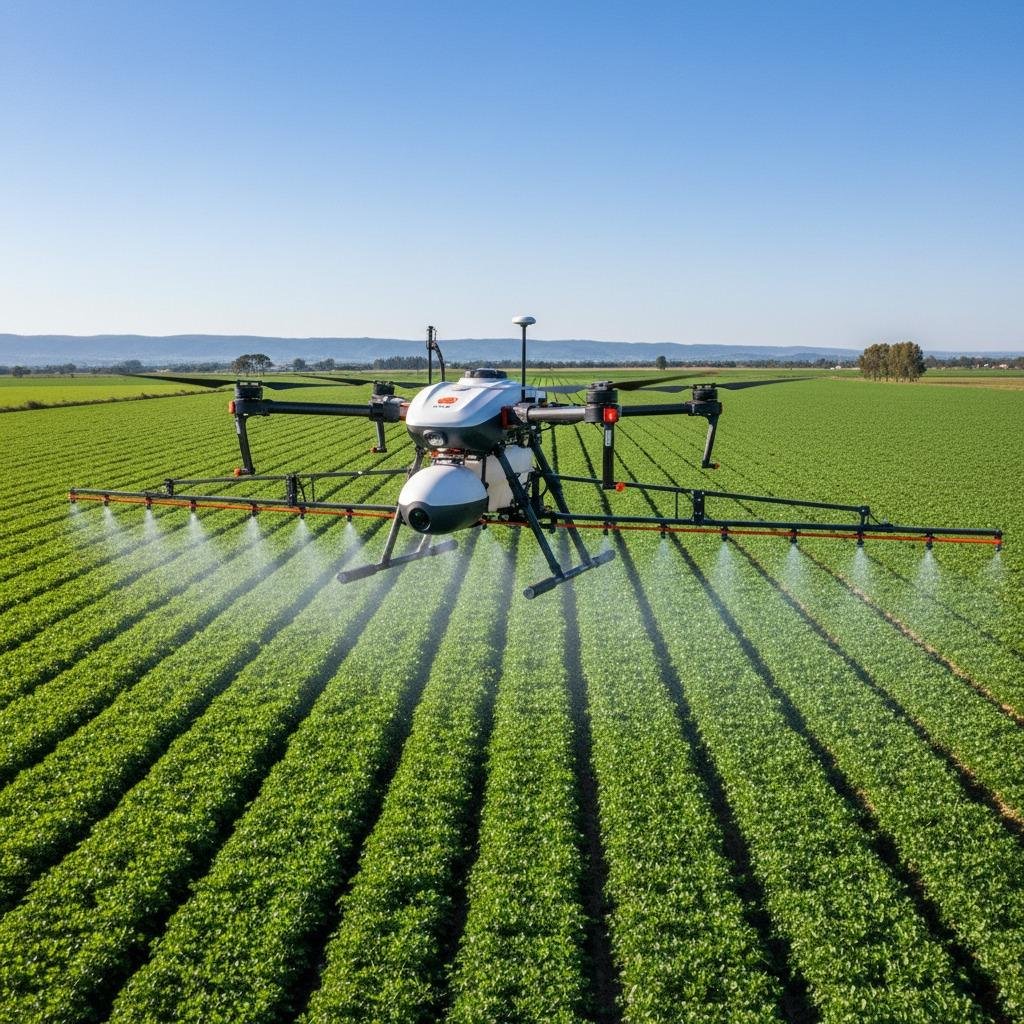
Begin by preparing your drone platform. Our advanced drone sprayer, with its robust hexacopter design and six rotors equipped with spray nozzles, is an ideal candidate for mmWave technology in agriculture. Mount the mmWave radar sensor on the underside of the chassis, facing forward or downward, using vibration-dampening mounts to minimize interference from the rotors.
Next, connect the sensor to the drone's central processing unit via UART or I2C interfaces. Install open-source software like ArduPilot or PX4, and configure the radar as an obstacle avoidance tool. Calibrate the system by flying test patterns over a small field plot, adjusting parameters for detection thresholds. For crop management drones, program the radar to trigger altitude adjustments during spraying, ensuring the nozzles maintain optimal height above crops—typically 1-2 meters—for even distribution of fertilizers or pesticides.
Incorporate data fusion by linking the mmWave radar outputs with the drone's vision systems. This allows for dynamic path planning, where the drone avoids obstacles like trees or uneven ground while executing spray missions. Test in varied conditions: start with clear days, then progress to dusk or rainy weather to verify reliability. Fine-tune the software to process radar echoes for vegetation density mapping, enhancing remote sensing in agriculture for better yield predictions.
Optimizing Performance with mmWave for Precision Agriculture
Once integrated, leverage mmWave radar to elevate your spraying drones' capabilities. In precision agriculture technology, this means autonomous flights that adapt to field variability. For instance, the radar can detect crop rows and adjust spray patterns in real-time, minimizing overlap and drift. Our drone's integrated blue tank, designed for secure liquid payloads, benefits immensely from this, as precise navigation reduces refills and operational time.
Monitor performance using onboard telemetry to analyze data logs post-flight. Adjust power settings to balance battery life—mmWave modules typically consume 1-2 watts—and ensure compliance with aviation regulations for agricultural UAVs. For large-scale farms, scale up by deploying a fleet of these drones, coordinated via a central app that aggregates radar data for whole-field insights.
Benefits and Best Practices for Long-Term Use
Implementing mmWave radar in your drones for agriculture yields significant returns: up to 30% reduction in chemical usage, improved crop health through targeted spraying, and enhanced safety by preventing collisions. Regular maintenance, such as cleaning the radar lens and updating firmware, ensures longevity.
To maximize radar technology in farming, combine it with AI analytics for predictive crop management. Our drone sprayer's aerodynamic white chassis and powerful lift make it perfect for these integrations, promoting sustainable practices. By following this guide, you'll transform your operations into a model of efficiency and innovation in modern agriculture.