






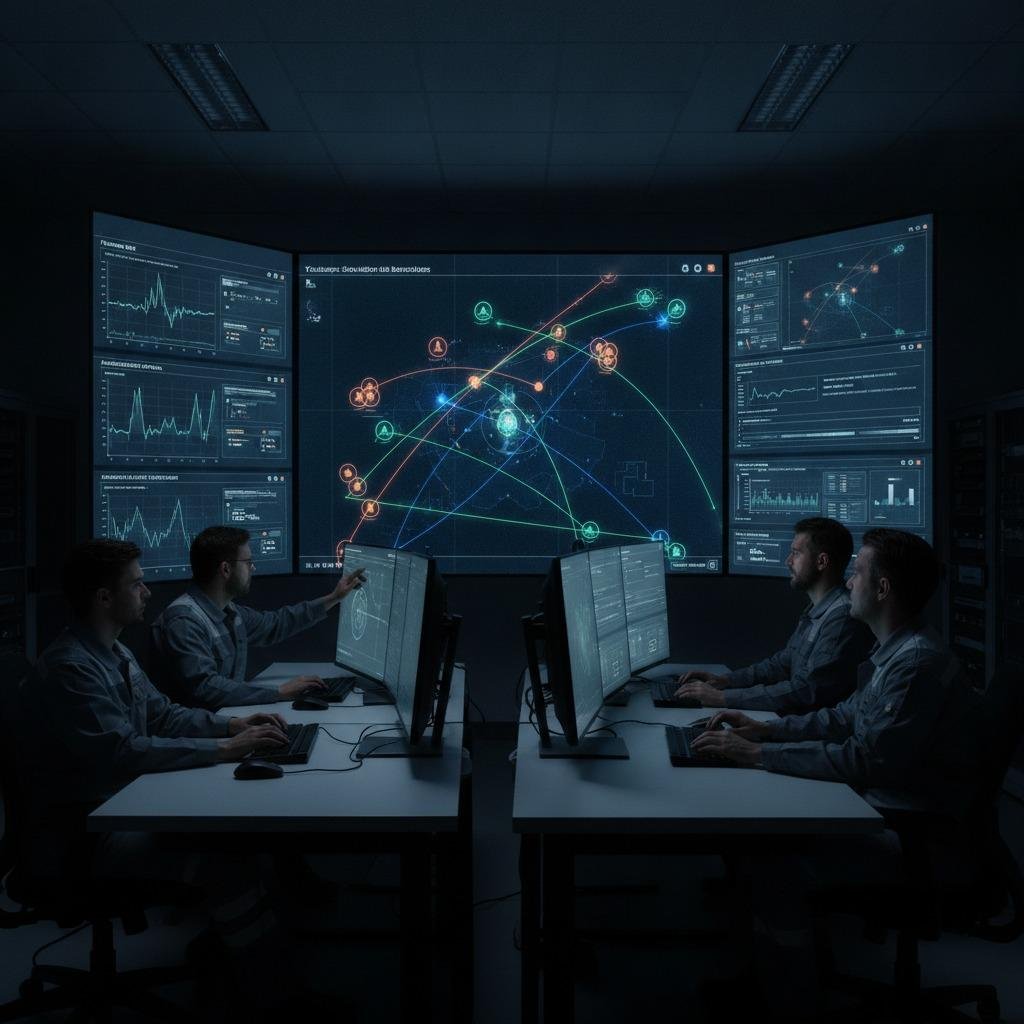
Why maneuvering target tracking is still a hard engineering problem
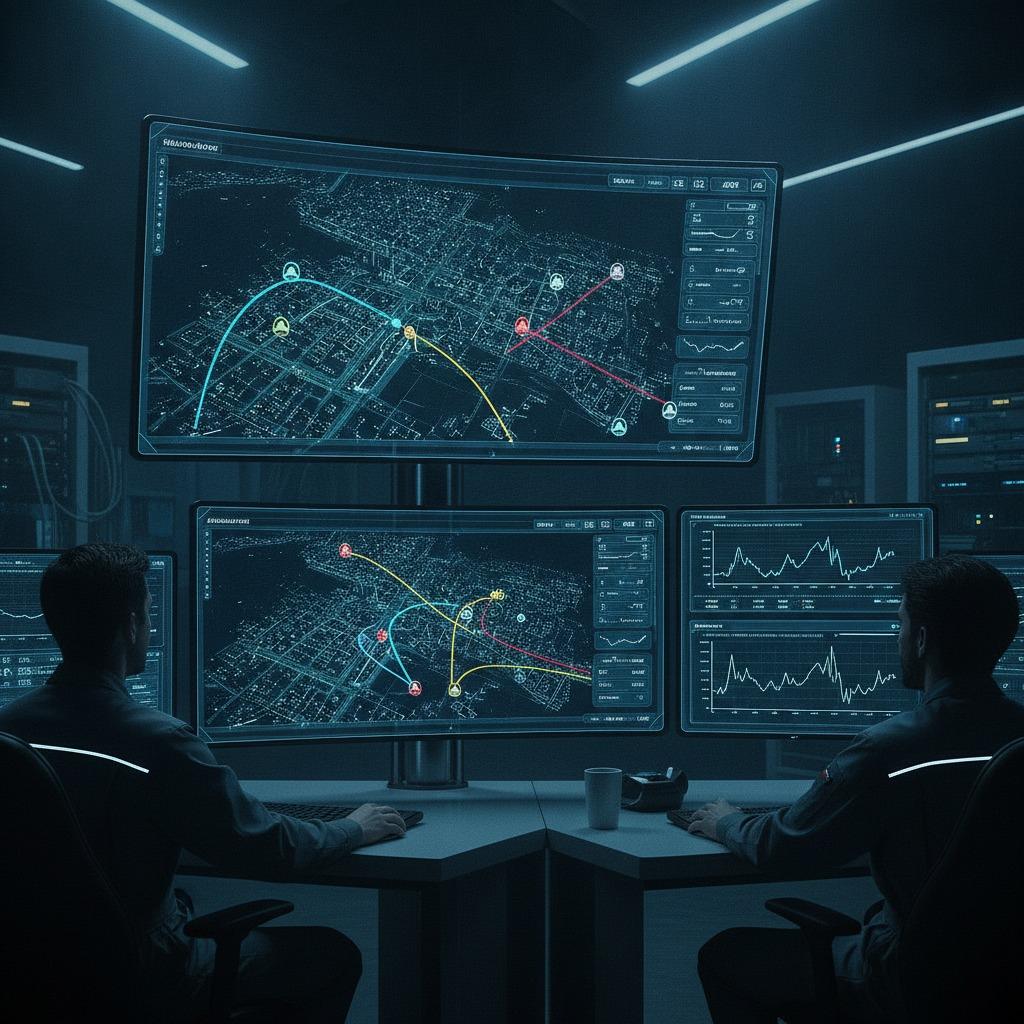
Maneuvering target tracking sounds straightforward until the target stops moving like the textbook says it should. A vehicle changes lanes without warning, a vessel alters course in short bursts, or an airborne object makes a sequence of sharp turns that breaks a simple straight-line model. That is where Maneuvering target tracking becomes a practical engineering problem rather than a theoretical one. The challenge is not just keeping up with the target; it is deciding, in real time, whether the target is stable, accelerating, turning, or shifting behavior altogether.
For engineers and sourcing managers, the issue matters because tracking quality affects system confidence downstream. A weak tracker can create false alarms, miss early warning signs, or force operators to spend more time correcting the system than using it. In product terms, that means the decision is not only about raw detection capability. It is about whether the tracking approach can stay reliable when motion becomes irregular, noisy, or intentionally deceptive.
What buyers and engineers should look for first
A useful way to think about the problem is to separate the motion estimate from the motion model. Some systems are good at identifying where a target is now, but struggle to explain where it is likely to go next. Others can follow the target briefly, then lose stability when the target changes speed or heading.
That gap is where the supporting methods matter:
Trajectory prediction helps estimate the next position before the target actually gets there.
Behavior pattern recognition looks for recurring motion signatures, such as patrol-like movement, evasive turns, or stop-and-go travel.
Turning rate estimation captures how quickly the target is changing direction, which is often more useful than a simple heading value.
Acceleration profile extraction helps reveal whether the target is building speed, braking, or alternating between short bursts and coasting.
These are not interchangeable functions. A system that can predict a clean trajectory may still fail when the target’s behavior changes mid-course. Likewise, a behavior model that classifies motion well may not produce a stable short-term track unless the tracking logic is tuned carefully.
Common tracking approaches and where they tend to break down
In practice, many tracking architectures lean on a motion model that assumes the target keeps moving in a predictable way for at least a short period. That works reasonably well for stable motion. It becomes less dependable when the target makes abrupt maneuvers, because the model has to decide whether the change is noise, sensor error, or a real shift in behavior.
A practical buyer’s warning here: if a vendor says a tracker is “adaptive,” ask what that means in motion-change conditions. Some systems adapt slowly and recover after the maneuver is already over. Others react quickly but become too sensitive, which can create jitter or false track switches. Neither is ideal.
For many applications, the better solution is a layered one. The first layer maintains the live track. The second layer evaluates maneuver likelihood using turning rate estimation or acceleration profile extraction. The third layer adjusts the prediction strategy based on what it sees. That architecture is often more robust than relying on one clever algorithm to do everything.
Selection criteria that actually matter
When comparing solutions, teams should look beyond headline accuracy claims and ask how the system performs under motion change.
A few useful questions:
Does the tracker preserve continuity during rapid maneuvers, or does it lose the target and reacquire it later?
How quickly does it respond when the motion pattern changes?
Can it separate true maneuvering from sensor noise or transient clutter?
Does it support trajectory prediction without overfitting to recent motion?
Can behavior pattern recognition be tuned for the specific operating environment?
These questions sound simple, but they expose whether a system is built for real-world motion or only for clean test cases.
Practical mistakes that slow projects down
One common mistake is overvaluing a single metric. High average accuracy can hide poor performance during the exact moments when the system is under stress. Another is ignoring the operating environment. A tracker used in open air does not face the same clutter, occlusion, or maneuver style as one used in dense traffic or maritime traffic lanes.
There is also a tendency to underestimate calibration effort. Turning rate estimation and acceleration profile extraction are only useful if the underlying data is consistent enough to support them. If the sensor stream is unstable, the best model will still struggle.
How to think about the next purchase decision
If you are evaluating a platform or subsystem for Maneuvering target tracking, treat it as a motion-intelligence problem, not just a detection problem. The most useful systems are usually the ones that combine short-term stability with a realistic response to sudden change. That usually means some mix of trajectory prediction, behavior pattern recognition, and motion-state estimation, rather than a single fixed rule set.
For sourcing teams, the decision often comes down to fit: does the solution match the target type, the environment, and the acceptable level of track lag? For engineers, the better question is whether the system degrades gracefully when the target does something unexpected. That is where many otherwise promising products show their limits.
FAQ: a few quick buyer questions
Is more prediction always better?
Not necessarily. Too much prediction can make a tracker overconfident and slow to react when the target changes behavior.
Should all systems use the same motion model?
No. The right model depends on how targets move in your application. A model tuned for smooth travel may perform poorly against abrupt turns or stop-start motion.
What is the safest evaluation approach?
Test the system against real maneuver scenarios, not only steady motion. If possible, include abrupt direction changes, speed variations, and mixed behavior patterns.
What to do next
If you are building or sourcing a tracking solution, start with the failure cases. Define the maneuvers that matter most, then check whether the platform can maintain track quality through those events. That is usually a better purchasing filter than any broad performance claim. In this space, the details of motion handling decide whether the system is merely functional or genuinely useful.