






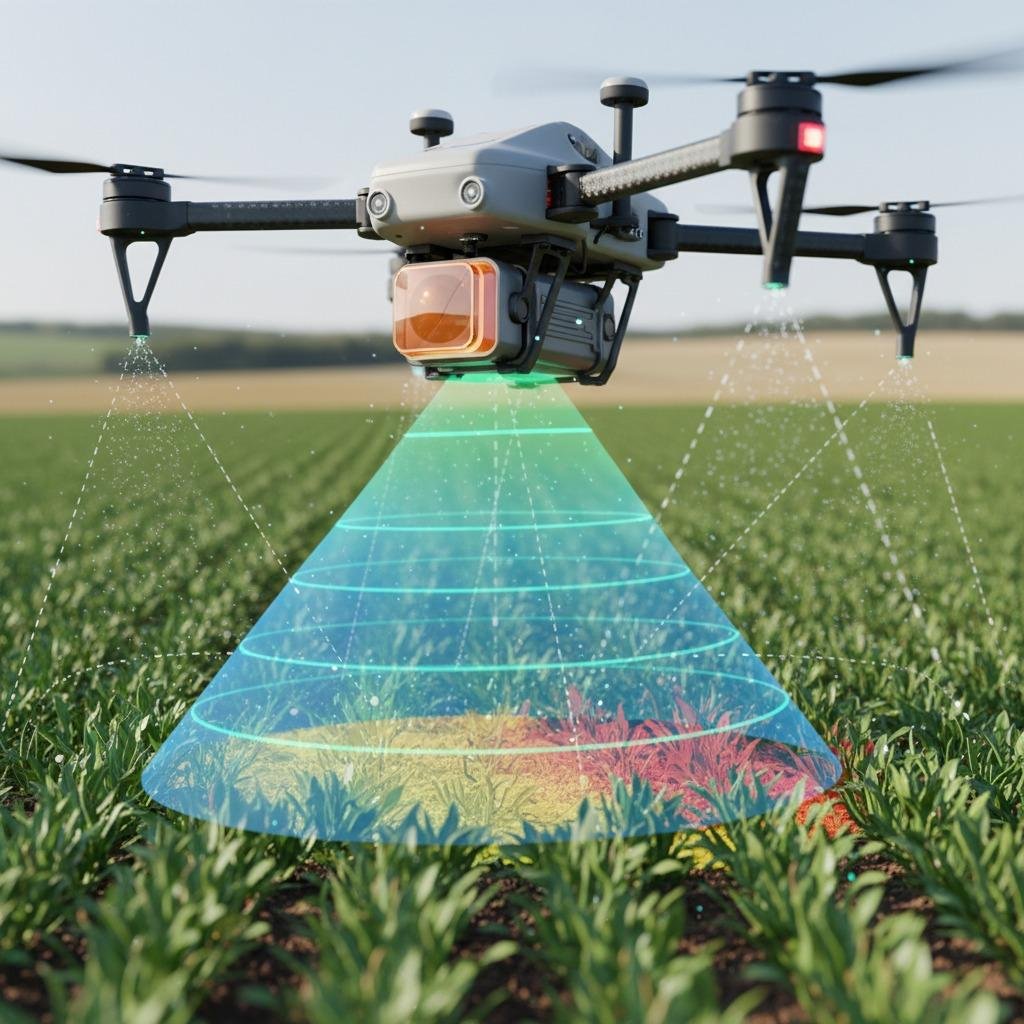
Mastering mmWave Radar in Agricultural Spraying Drones: A Step-by-Step Guide
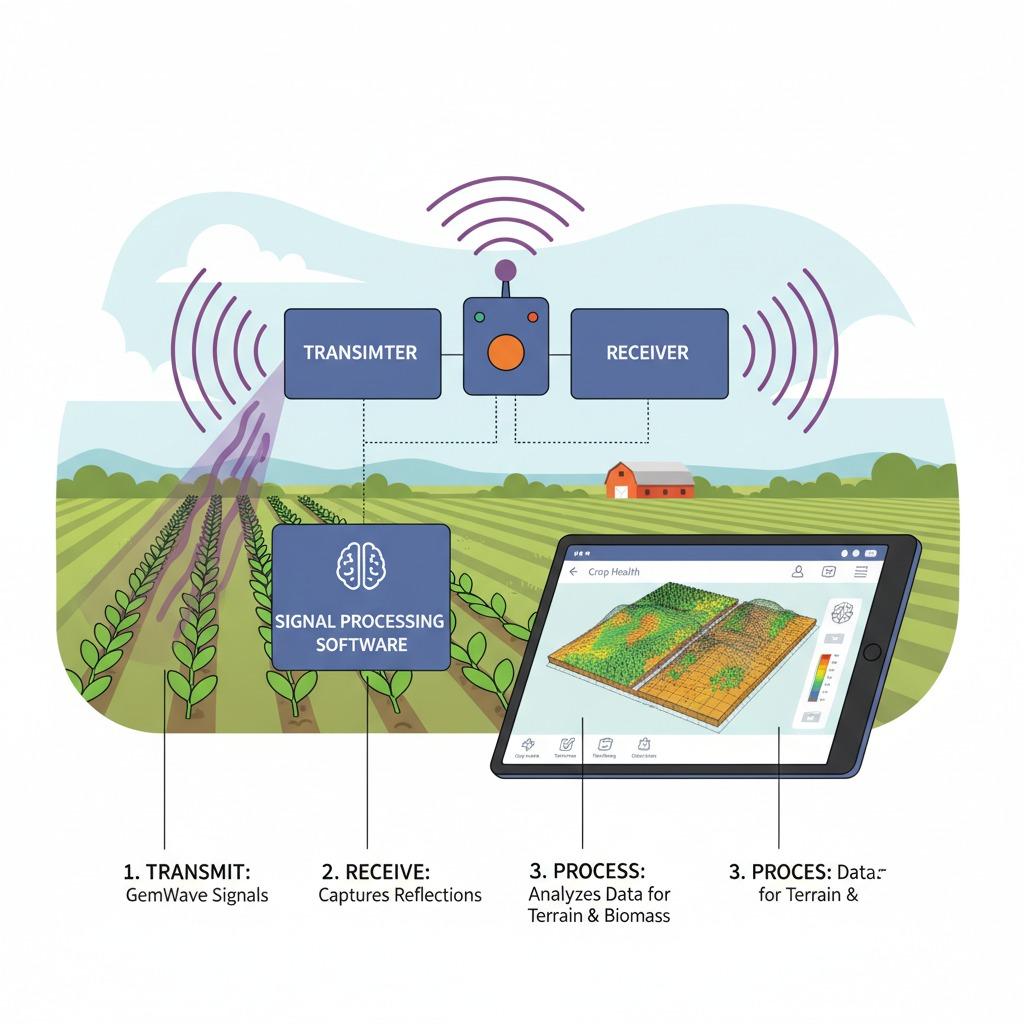
In the evolving world of precision agriculture technology, mmWave radar stands out as a revolutionary tool for enhancing farming efficiency. This guide explores how mmWave radar integrates with agricultural spraying drones to optimize crop management and resource use. Whether you're a farmer looking to upgrade your operations or a tech enthusiast interested in drones for agriculture, understanding this technology can transform your approach to modern farming.
Understanding mmWave Radar Fundamentals
mmWave radar operates using millimeter-wave frequencies to detect objects, measure distances, and map environments with high precision. Unlike traditional sensors, it performs reliably in adverse weather conditions like fog, dust, or rain, which are common in agricultural settings. To get started, familiarize yourself with its core components: the transmitter that emits radar waves, the receiver that captures echoes, and signal processing software that interprets the data.
Begin by selecting a compatible mmWave radar module for your drone setup. Ensure it supports integration with drone flight controllers, such as those using PX4 or ArduPilot firmware. Calibration is key—mount the radar sensor on the drone's underside to scan the terrain below. Test it in a controlled environment to verify detection accuracy for ground obstacles and crop heights. This foundational step ensures your system is ready for real-world deployment in radar technology in farming.
Integrating mmWave Radar with Drones for Agriculture
Once basics are covered, move to integrating mmWave radar into agricultural spraying drones. Start by mapping your farm's layout using the radar's scanning capabilities. Program the drone's autopilot to follow predefined paths, using radar data to maintain optimal altitude and avoid uneven terrain.
Next, configure the system for real-time monitoring. The radar can detect crop density and health by analyzing reflected signals, allowing the drone to adjust spray patterns dynamically. For instance, increase application rates over dense foliage and reduce them in sparse areas, minimizing chemical waste. Use open-source tools like ROS (Robot Operating System) to fuse radar data with GPS and optical sensors for comprehensive field intelligence. This step-by-step integration enhances precision agriculture technology, making your drones for agriculture more autonomous and effective.
Implementing Precision Spraying with mmWave-Equipped Drones
With integration complete, focus on operational deployment. Launch your agricultural spraying drone pre-flight by running diagnostics on the mmWave radar to confirm signal strength and coverage. Set spraying parameters based on radar feedback—for example, detect water stress in plants through subtle height variations and target those zones precisely.
During flight, monitor the drone via a ground station app that visualizes radar data in real time. Adjust speeds and turns as the radar identifies obstacles like trees or irrigation lines. Post-flight, analyze logged data to refine future missions, tracking metrics like coverage uniformity and input savings. Safety protocols are crucial: always comply with local drone regulations and include fail-safes, such as auto-return if radar detects anomalies.
Advanced Tips and Troubleshooting for Radar Technology in Farming
To maximize benefits, explore advanced features like AI-enhanced mmWave radar processing for predictive analytics, such as forecasting pest outbreaks. Regularly update firmware to incorporate the latest precision agriculture technology advancements.
Common issues include signal interference from metal structures—mitigate this by adjusting radar frequency bands. If the detection range seems limited, check for obstructions on the sensor lens and recalibrate. By following these steps, you'll harness mmWave radar's full potential in agricultural spraying drones, boosting yields and sustainability in drones for agriculture. This technology not only cuts costs but also promotes eco-friendly farming practices, ensuring long-term success in modern agriculture.