






Mastering mmWave Radar: A Guide to Enhancing Agricultural Spraying Drones
In the evolving world of precision agriculture technology, mmWave radar stands out as a pivotal innovation for agricultural spraying drones. This advanced sensor technology uses millimeter waves to detect obstacles, map terrain, and ensure safe navigation, revolutionizing how drones for agriculture operate in complex field environments. By integrating mmWave radar, farmers can achieve unprecedented accuracy in spraying operations, reducing chemical overuse and boosting crop yields. This guide will walk you through the essentials of mmWave radar and how to leverage it effectively in your farming practices.
Understanding mmWave Radar in Agricultural UAVs
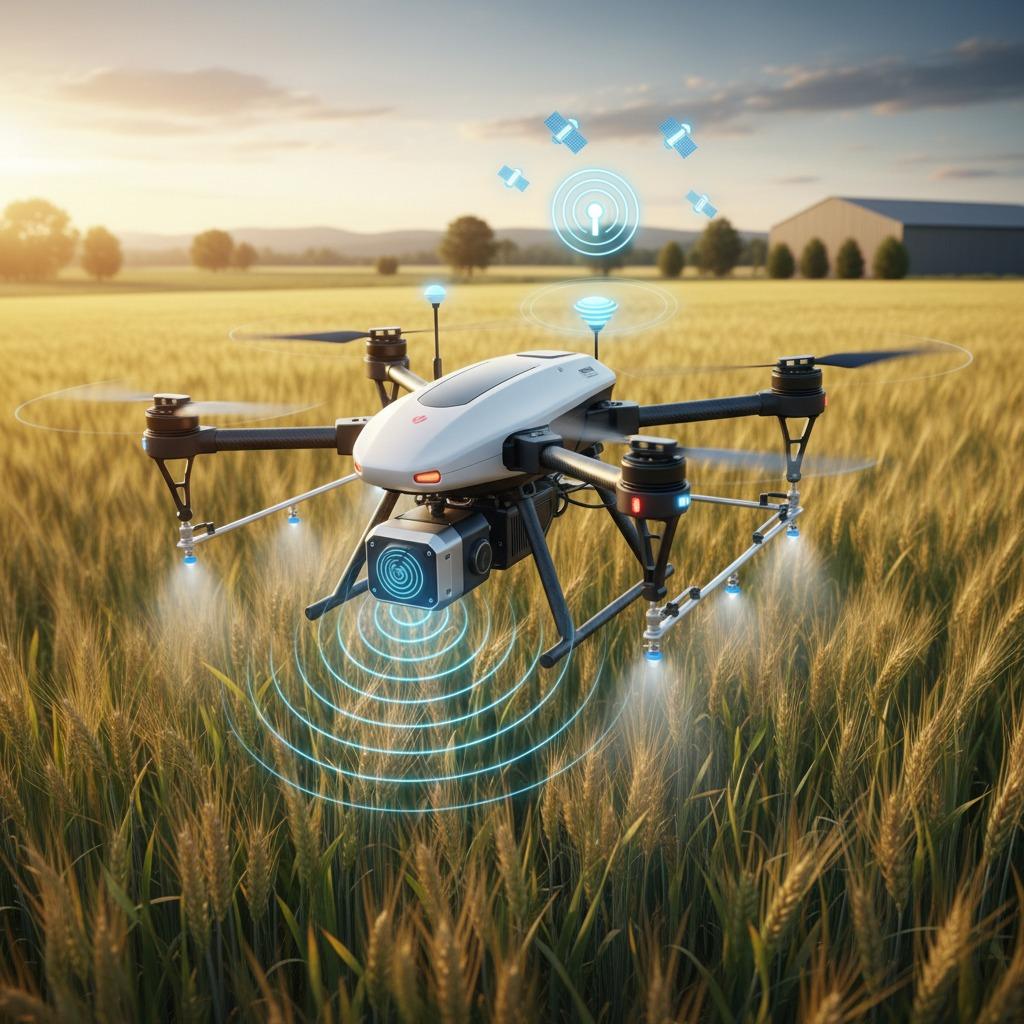
mmWave radar technology in agriculture works by emitting high-frequency radio waves that bounce off objects and return data on distance, speed, and shape. Unlike traditional sensors, it performs reliably in adverse weather like fog, rain, or dust—common challenges in farming. For agricultural UAVs equipped with mmWave radar, this means safer flights over uneven landscapes. Start by selecting a drone model that integrates this radar, such as one with a sleek, aerodynamic design and multiple rotors for stability. Ensure the system includes a high-capacity tank for liquids and GPS for positioning. To set up, calibrate the radar during clear conditions: power on the drone, connect to its control app, and run a terrain scan over a small test field. This initial step helps the mmWave radar build a baseline map, identifying crops, obstacles, and safe paths.
Integrating mmWave Radar with Spraying Drones for Precision Farming
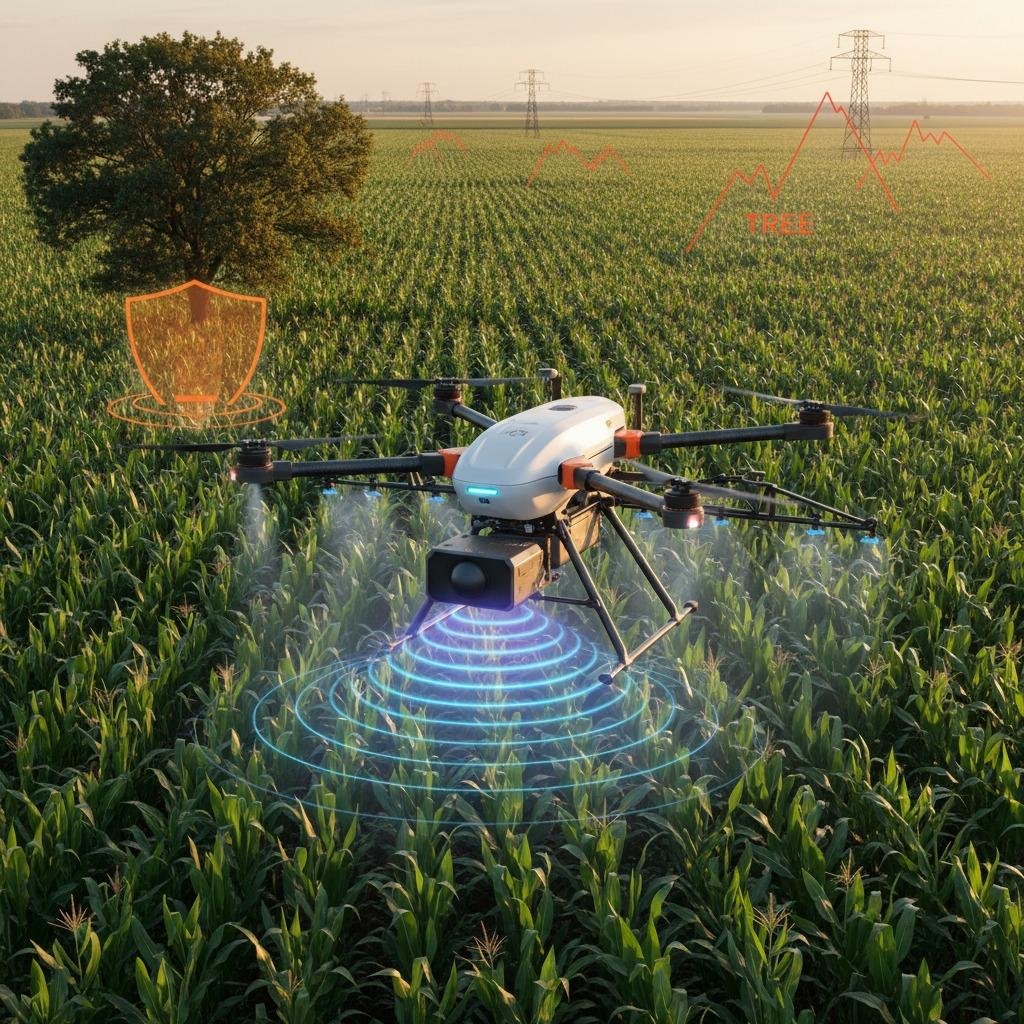
Once calibrated, deploying mmWave radar with spraying drones transforms routine tasks into efficient, data-driven processes. For crop management drones, the radar enables real-time obstacle avoidance, preventing collisions with trees or power lines during low-altitude flights. Begin by programming flight paths using the drone's software—input field boundaries and set spraying parameters like droplet size for uniform coverage. The radar's remote sensing in agriculture capabilities allow it to detect crop health variations, adjusting spray volume on the fly to target stressed areas only. In practice, launch the drone from a stable base, monitor via the app for radar feedback, and let it autonomously navigate. For optimal results, pair it with precision agriculture technology tools like soil moisture sensors. Regular maintenance, such as cleaning the radar antennas, ensures consistent performance. This setup minimizes waste, supports eco-friendly practices, and enhances overall farm productivity.
Advanced Applications and Best Practices for Radar Technology in Farming
Beyond basic spraying, mmWave technology in agriculture opens doors to sophisticated crop management. Use radar-equipped drones for scouting pest infestations or monitoring growth stages without physical intervention. To maximize benefits, integrate the data with farm management software for actionable insights. For instance, analyze radar scans to create 3D field models, predicting irrigation needs alongside spraying schedules. When choosing spraying drones, prioritize models with durable, weather-resistant materials and rechargeable batteries for extended operations. Train your team on radar interpretation: review flight logs post-mission to refine routes and reduce overlap. Safety is key—always comply with local drone regulations and conduct pre-flight checks. By following these steps, you'll harness radar technology in farming to cut costs, improve sustainability, and elevate your agricultural operations to new heights.
Troubleshooting and Future-Proofing Your mmWave Radar Setup
Even with robust systems, issues like signal interference can arise in dense foliage. Troubleshoot by updating firmware and repositioning the drone for clearer radar lines of sight. For long-term success, invest in scalable solutions that evolve with advancements in drones for agriculture. As mmWave radar continues to integrate with AI-driven analytics, your setup will adapt seamlessly, ensuring your farm stays at the forefront of innovation. This comprehensive approach not only optimizes current spraying tasks but also prepares you for the next wave of agricultural advancements.