







Emerging Trends in mmWave Radar for Modern Security
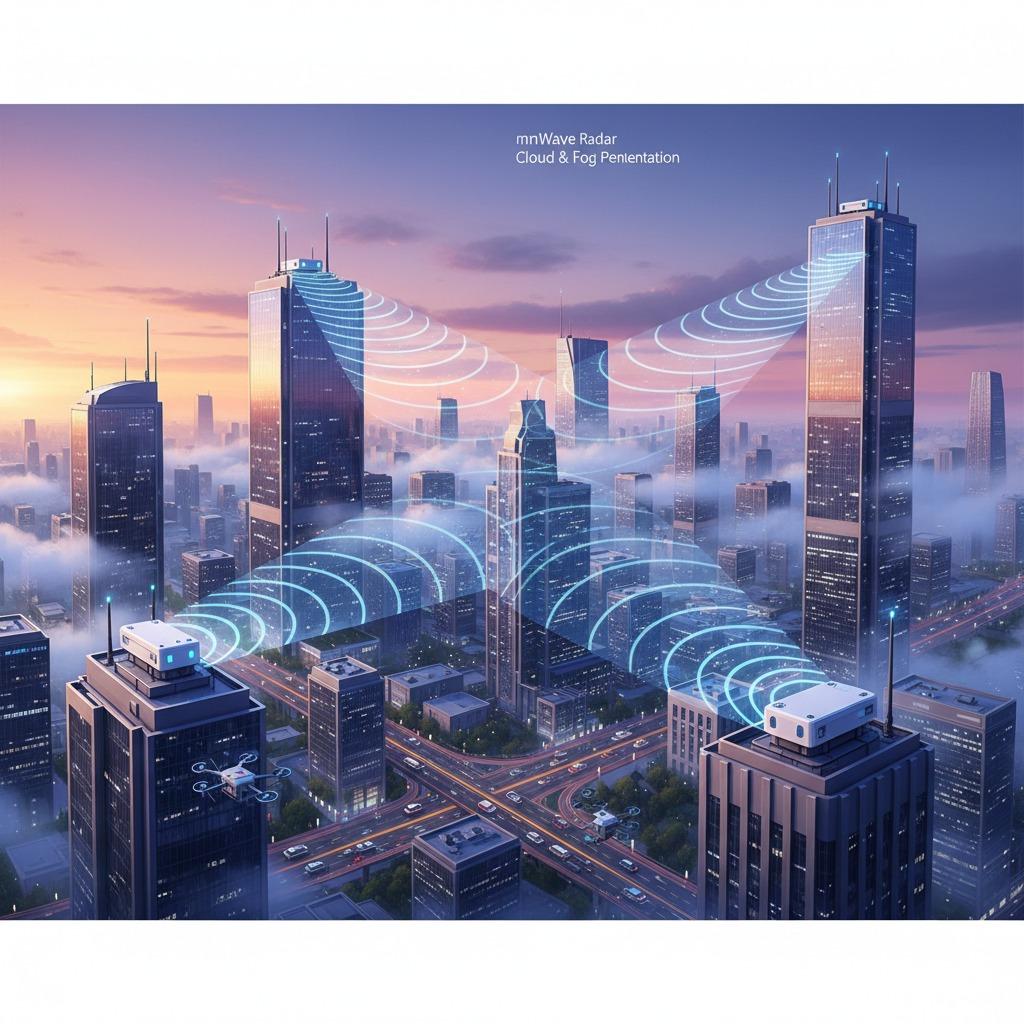
In the rapidly evolving landscape of security and surveillance, mmWave radar stands out as a pivotal technology driving innovation. This high-frequency radar system, operating in the millimeter-wave spectrum, is gaining traction for its ability to detect objects with exceptional precision, even in challenging environments. As urban areas expand and threats become more sophisticated, the integration of mmWave radar into various applications is reshaping how we approach safety and monitoring. Current trends highlight its shift from niche uses in automotive to broader fields like aerial threat detection, where speed and accuracy are paramount.
The Rise of Drone Detection Systems Powered by mmWave Radar
One of the most prominent trends is the proliferation of drone detection systems leveraging mmWave radar. With the exponential growth in unmanned aerial vehicles (UAVs) for both commercial and potentially malicious purposes, authorities and private sectors are turning to advanced solutions to counter unauthorized drone incursions. mmWave drone radar excels in this domain by providing real-time tracking capabilities that penetrate weather conditions like fog or rain, where optical systems falter. Recent developments show a surge in deployments at airports and critical infrastructure sites, where these systems can identify small drones from kilometers away. This trend underscores a broader movement towards proactive defense mechanisms, reducing response times from minutes to seconds and enhancing overall airspace security.
Advancements in mmWave Drone Radar and Surveillance Integration
Delving deeper, mmWave drone radar is at the forefront of drone surveillance technology, combining seamlessly with AI-driven analytics for smarter threat assessment. Industry reports indicate a 40% increase in investments in such technologies over the past year, driven by regulatory pressures for safer drone operations. These systems not only detect but also classify drones based on size, speed, and flight patterns, enabling automated countermeasures like jamming or redirection. The trend towards modular designs allows integration with existing security frameworks, making mmWave technology applications more accessible to smaller organizations. As geopolitical tensions rise, nations are prioritizing these tools to safeguard borders and public events, illustrating a global shift towards resilient surveillance infrastructures.
Exploring Unmanned Aerial Vehicle Detection with Advanced Radar Systems
Unmanned aerial vehicle detection has become a cornerstone of modern defense strategies, and advanced radar systems like mmWave radar are leading the charge. Unlike traditional radars that struggle with low-flying or stealthy drones, mmWave variants offer superior resolution, detecting micro-movements that betray even the smallest UAVs. Current market analyses predict that by 2025, over 60% of new security installations will incorporate mmWave components, fueled by cost reductions in sensor manufacturing. This trend is particularly evident in urban planning, where cities are deploying these systems to monitor recreational drone usage and prevent collisions. The synergy between mmWave radar and edge computing is another hot area, allowing on-site data processing for faster decision-making without relying on cloud latency.
Future Directions in mmWave Technology Applications
Looking ahead, the applications of mmWave technology are expanding beyond detection into predictive analytics and swarm management. As drone fleets grow in logistics and agriculture, mmWave radar will play a key role in coordinating safe operations, preventing mid-air incidents through precise positioning data. Emerging trends also point to hybrid systems combining mmWave with LiDAR for multi-spectral sensing, enhancing accuracy in cluttered environments. Environmental concerns are pushing innovations in energy-efficient mmWave designs, ensuring sustainable deployment. Overall, mmWave radar's trajectory signals a transformative era in aerial security, where detection evolves into intelligent, adaptive protection, safeguarding our skies for the future.