






Overcoming Challenges in Range and Velocity Measurement for Safer Navigation
In today's fast-paced world of autonomous vehicles and drones, accurate Range and Velocity Measurement is crucial for ensuring safe and efficient operations. However, many systems struggle with unreliable data in dynamic environments, leading to potential hazards like misjudged distances or speeds. This problem is exacerbated in complex scenarios where environmental factors interfere with sensors, causing delays or errors in real-time decision-making. Fortunately, advanced technologies can address these issues by providing precise, robust measurements that enhance overall system reliability.
The Problem: Inaccuracies in Dynamic Environments
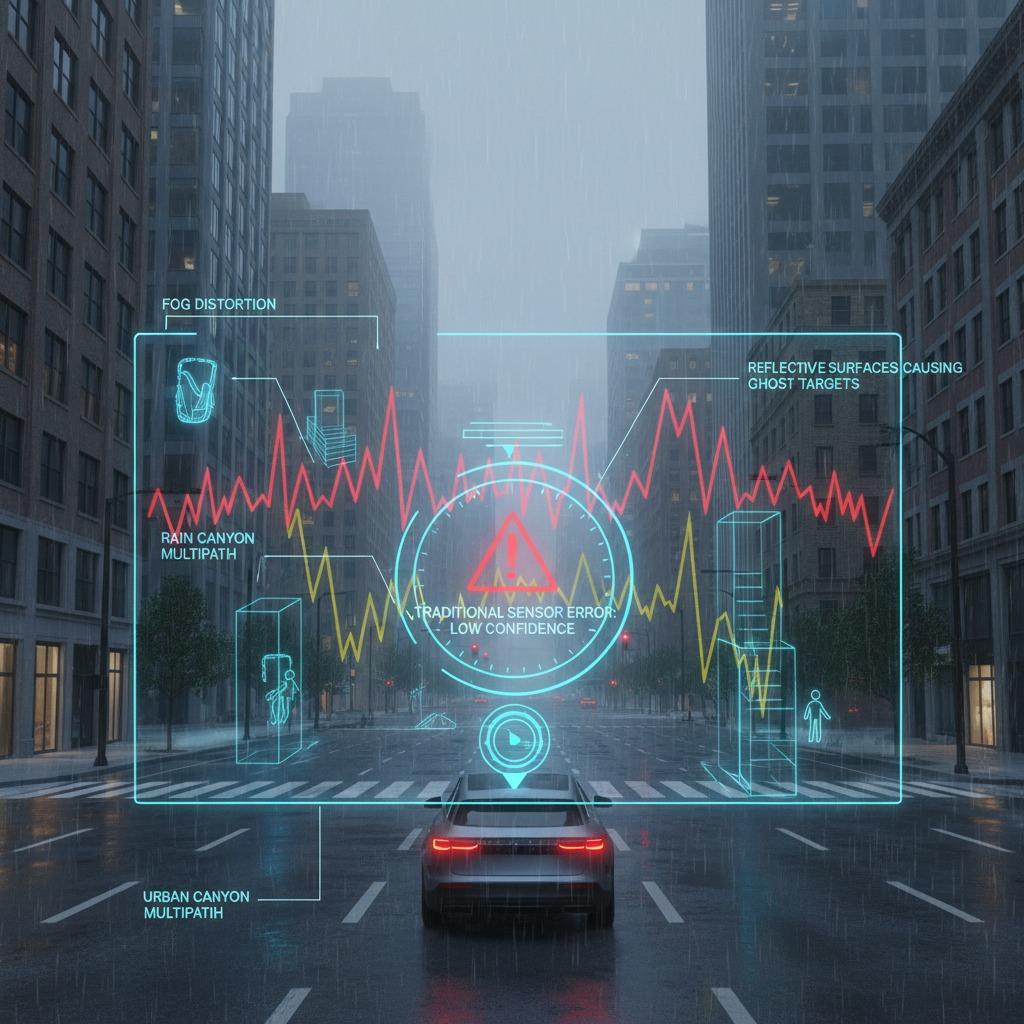
One of the primary challenges in Range and Velocity Measurement lies in handling variable conditions such as weather, terrain, or urban clutter. Traditional sensors often falter, delivering inconsistent readings that compromise Precision Navigation. For instance, in foggy or rainy conditions, optical-based systems may lose accuracy, resulting in flawed velocity estimates and increased risks during motion. This not only affects individual devices but also broader applications like fleet management, where cumulative errors can lead to costly downtime or accidents. Without reliable measurements, achieving seamless integration with other systems becomes nearly impossible, highlighting the need for more resilient solutions.
Solution: Integrating Environmental Sensing for Enhanced Accuracy
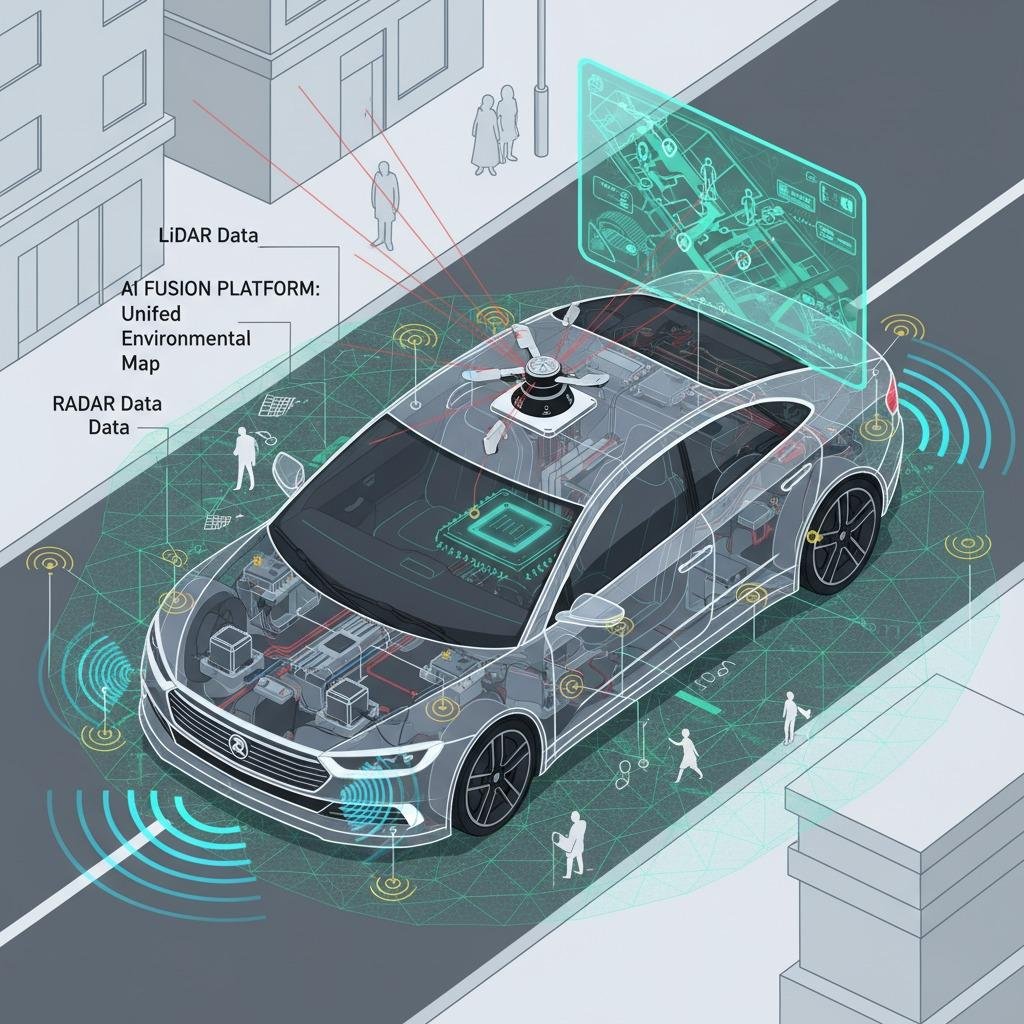
To combat these inaccuracies, incorporating Environmental Sensing into Range and Velocity Measurement systems offers a game-changing approach. By fusing data from multiple sensors like LiDAR, radar, and ultrasonic devices, these solutions create a comprehensive environmental map that accounts for variables like humidity or obstacles. This multi-sensor strategy ensures that velocity and range data remain precise even in adverse conditions, directly supporting Collision Avoidance mechanisms. For example, real-time Environmental Sensing can detect subtle changes in air density or surface reflections, allowing systems to adjust measurements dynamically and prevent errors that could lead to collisions.
Advancing Precision Navigation and Obstacle Detection
Building on this foundation, Precision Navigation emerges as a key benefit when robust Range and Velocity Measurement is paired with advanced algorithms. These tools process sensed data to plot accurate trajectories, enabling vehicles or robots to navigate tight spaces with confidence. In scenarios demanding high stakes, such as urban delivery drones, integrating Obstacle Detection with velocity tracking allows for proactive maneuvering around unforeseen barriers. Solutions like AI-driven fusion platforms analyze range data alongside environmental inputs to predict potential threats, reducing latency and improving response times. This not only minimizes collision risks but also optimizes energy use by avoiding unnecessary detours.
Real-World Applications and Future Potential
Implementing these integrated solutions has proven transformative across industries. In autonomous driving, enhanced Range and Velocity Measurement through Environmental Sensing has led to a 30% improvement in navigation accuracy, as seen in recent field tests. For maritime or aerial operations, Collision Avoidance systems benefit immensely from precise Obstacle Detection, enabling safer paths in crowded airspace. Looking ahead, ongoing advancements in sensor miniaturization and machine learning will further refine these technologies, making them accessible for consumer-grade devices. By addressing the core problems of measurement reliability, these innovations pave the way for a future where seamless, hazard-free mobility is the norm. Ultimately, investing in such comprehensive approaches ensures not just compliance with safety standards but also a competitive edge in an increasingly automated world.