






Why radar cross section measurement matters before a design reaches the field
Radar cross section (RCS) measurement is one of those topics that becomes urgent only after a program starts missing its performance targets. By then, the question is usually not whether a target reflects energy, but how much it reflects, from which aspect, and under which conditions the result shifts. For engineers and sourcing teams alike, that uncertainty can turn into late redesigns, inconsistent test data, or a signature database that is too thin to support real decisions.
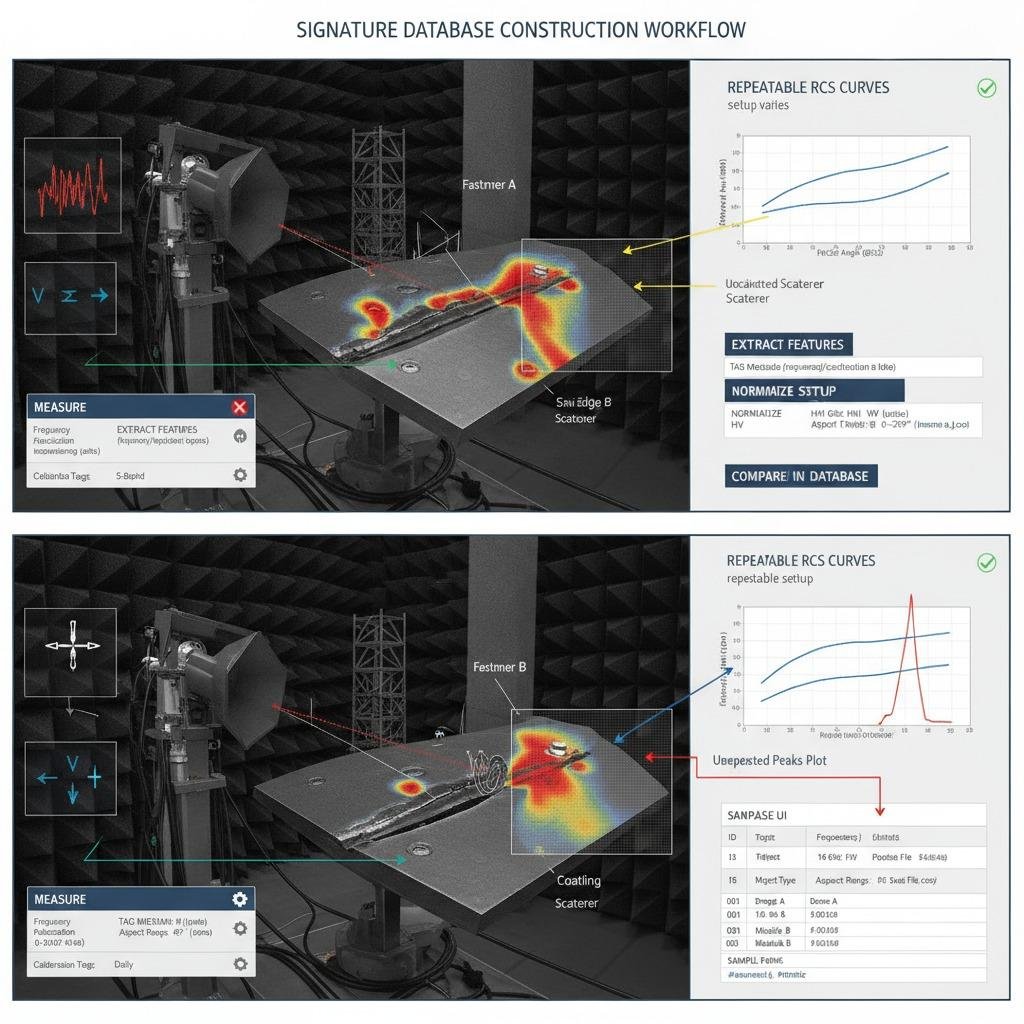
The basic problem is simple enough: radar systems do not see a part or platform the way a camera does. They respond to geometry, materials, frequency, polarization, orientation, and even small assembly details. A fastener head, seam, edge, or coating transition can change target reflectivity characterization in ways that are easy to overlook on a drawing and expensive to fix later. That is why buyers and technical teams increasingly want a measurement approach that is not just technically correct, but repeatable, traceable, and suitable for comparison across prototypes or production variants.
What buyers and engineers are really trying to learn
In practice, radar cross section measurement helps answer a few questions that matter to product development. Is one configuration measurably quieter than another? Does a material change improve or worsen scattering? Are the results stable enough to compare across test dates, operators, or facilities? And perhaps most importantly, can the data be trusted enough to support a design decision without forcing another round of trial and error?
That is where related work such as micro-RCS signature analysis and polarimetric scattering analysis comes in. The first helps isolate small contributors to the overall signature. The second can reveal how the target behaves under different polarization states, which is often where a supposedly “minor” design change becomes visible. None of this is decorative. It is the difference between a measured engineering program and a stack of hard-to-compare plots.
A quick comparison of the main measurement questions
Broad signature versus localized contributors
Some programs need a high-level view: what is the overall response of the object at a given frequency band or aspect range? Others need a more surgical view: which feature is driving the return? Micro-RCS signature analysis is useful when the team wants to identify local scatterers before they are baked into tooling or final assembly.
Static data versus data that can support a database
One-off measurements can be helpful, but they rarely solve a design process. Signature database construction is often the real objective, even if no one says it that way at the kickoff meeting. A usable database usually needs consistent metadata, repeatable setup, and enough context that another engineer can understand the conditions behind each file months later. Without that discipline, the data becomes a filing cabinet instead of a decision tool.
What affects radar cross section results in the real world
Several variables can move the numbers around. Frequency band matters, of course, but so do aspect angle, polarization, surface finish, panel alignment, and material layering. A clean CAD model may look tidy on screen, yet the physical sample can introduce gaps, adhesive edges, and fastener heads that show up immediately in scattering response. That is one reason target reflectivity characterization should be treated as a measurement discipline, not just a lab test.
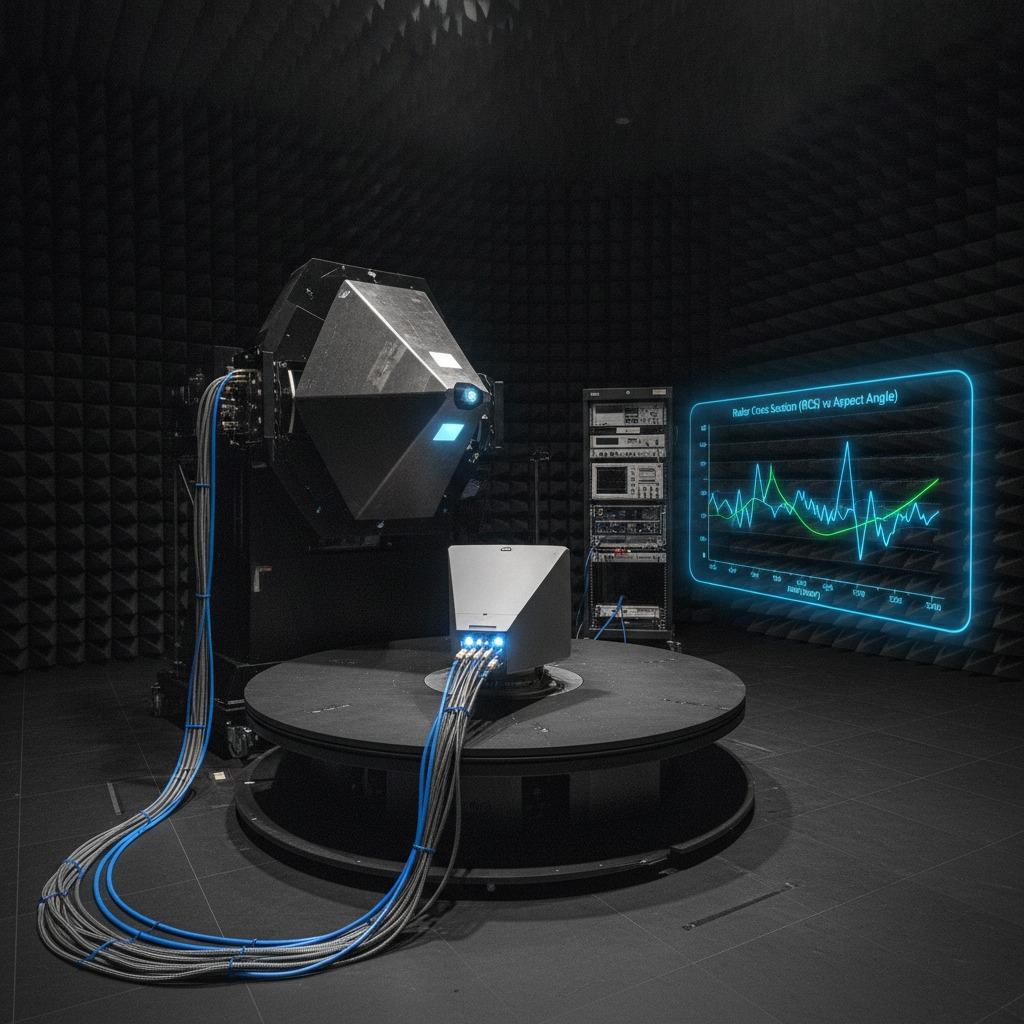
Environmental control also matters more than many teams expect. A stray fixture, an unplanned cable route, or a sample that is not positioned consistently can create confusion that looks like a design issue when it is really a setup issue. It is a basic warning, but worth stating: if the test process is loose, the data will be too.
Common mistakes that waste time and budget
One common mistake is treating the first measurement as definitive. In reality, early RCS data is often exploratory. It should help the team understand trends, not lock in a final conclusion before the sample build is stable. Another mistake is failing to define what “better” means. Lower return at one angle may be offset by a worse response elsewhere, and a narrow metric can mislead procurement decisions just as easily as it misleads engineers.
A second trap is buying measurement services without asking how the output will be used. If the team needs polarimetric scattering analysis or a comparative signature database, the report structure should reflect that from the start. Otherwise the lab may deliver accurate data in a format that is awkward to apply.
How to choose the right approach for your program
Start with the decision you need to make, not the measurement label. If you are screening design changes, focus on repeatability and comparison across variants. If you are building a reference set, prioritize clean documentation and consistent setup. If the concern is small features on a larger assembly, micro-RCS signature analysis may be more useful than a broad overview. If polarization behavior is a major variable, make sure polarimetric scattering analysis is part of the plan rather than an afterthought.
For sourcing managers, the practical questions are familiar: Can the provider explain the test setup clearly? Are the deliverables easy to compare? Is the data package useful for engineering review, not just for a presentation slide? Those are not trivial details. They decide whether the work helps the next design gate or just creates another folder of unlabeled files.
FAQ: a few questions teams ask late in the process
Is one measurement enough?
Usually not. A single result can be a snapshot, but design confidence comes from repeatable conditions and multiple perspectives.
Do small geometry changes really matter?
They can. In radar work, small changes sometimes produce outsized effects, especially when edges, seams, and alignment shift the scattering pattern.
What should a buyer ask for?
Ask for a clear method description, the relevant frequency and polarization conditions, and a deliverable format that supports comparison, not just viewing.
What a good next step looks like
If your team is planning a new platform, validating a prototype, or trying to clean up an inconsistent test history, the safest move is to define the measurement objective before the sample goes to the lab. That usually means agreeing on the aspect coverage, the data structure, and how the results will feed into design or sourcing decisions. Radar cross section measurement is most valuable when it shortens the path to an answer. If it does not do that, the test may be technically interesting and commercially useless, which is an easy mistake to make and a hard one to recover from.