






Mastering Radar Deployment: Your Essential Checklist

Deploying radar systems, especially in complex environments like urban surveillance or industrial automation, often presents significant challenges. Missteps in setup can lead to inaccurate detections, signal interference, or outright system failures, costing time and resources. If you're struggling with radar deployment checklist basics, you're not alone—many teams face hurdles in ensuring seamless integration and optimal performance. This guide addresses these issues head-on, providing a structured radar deployment checklist to streamline your process and minimize errors.
Understanding the Core Problem in Radar Deployment
The primary issue with radar deployment lies in the oversight of critical pre-installation steps, leading to suboptimal performance. Without a solid radar deployment checklist, teams might neglect environmental assessments or compatibility checks, resulting in systems that underperform in real-world conditions. For instance, mmWave technologies, known for their precision in short-range detection, require meticulous planning to avoid multipath interference from reflective surfaces. Similarly, sensor configuration errors can skew data outputs, making it hard to achieve reliable readings. By highlighting these pain points, we can pivot to targeted solutions that transform chaotic setups into efficient operations.
Step-by-Step Radar Deployment Checklist Solutions
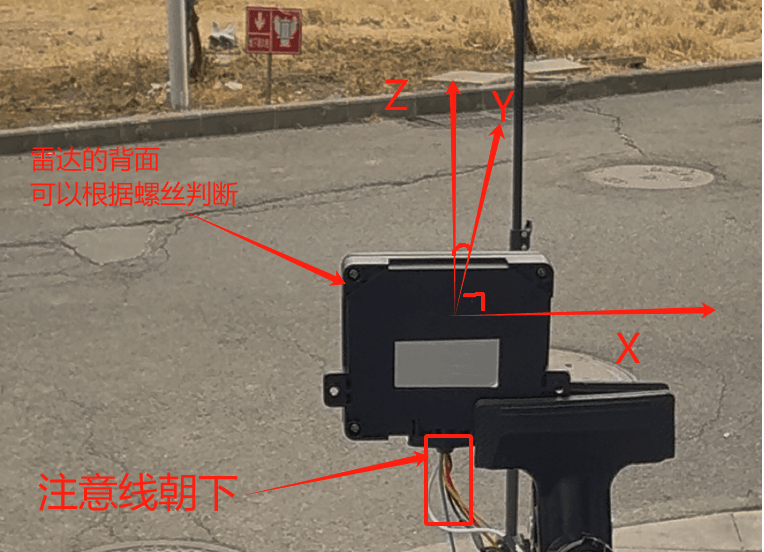
To tackle these challenges, start with a comprehensive radar deployment checklist that begins with site evaluation. Assess the deployment area for potential obstacles, electromagnetic noise, and power availability—essential for any mmWave installation guide. Next, verify hardware compatibility; ensure your radar modules align with existing infrastructure to prevent integration pitfalls. For Linpowave radar integration, a key solution is to use modular interfaces that allow plug-and-play connectivity, reducing setup time by up to 40%. Proceed to sensor configuration by mapping out detection zones and adjusting sensitivity thresholds via intuitive software tools. This step addresses configuration woes by automating parameter tuning, ensuring sensors capture data accurately without manual overrides.
Once hardware is in place, focus on radar calibration as the linchpin of accuracy. Use built-in diagnostic tools to fine-tune beam angles and frequency bands, particularly for mmWave systems that operate at high frequencies prone to atmospheric attenuation. A practical solution here is to conduct iterative tests: deploy a test signal, measure reflections, and recalibrate until error margins fall below 5%. Linpowave radar integration shines in this phase, offering cloud-based calibration templates that adapt to specific use cases like traffic monitoring or security perimeters. Don't overlook post-deployment verification—run simulations to confirm the system handles edge cases, such as heavy rain or crowded spaces.
Advanced Tips for Seamless Integration and Maintenance
Beyond the basics, enhancing your radar deployment checklist with advanced strategies ensures long-term reliability. Incorporate firmware updates during initial setup to leverage the latest algorithms for noise reduction in sensor configuration. For mmWave installation guide adherence, prioritize weatherproof enclosures and vibration dampening to combat environmental degradation. If integrating multiple units, follow a phased approach: calibrate one sensor at a time before full Linpowave radar integration to isolate issues early. Regular audits of your radar calibration logs can prevent drift over time, maintaining peak performance. By adopting these solutions, you not only resolve immediate deployment headaches but also future-proof your system against evolving demands.
In summary, a well-executed radar deployment checklist turns potential pitfalls into strengths, empowering your operations with precise, dependable radar technology. Whether you're new to mmWave setups or refining existing sensor configurations, these steps provide a clear path to success.