






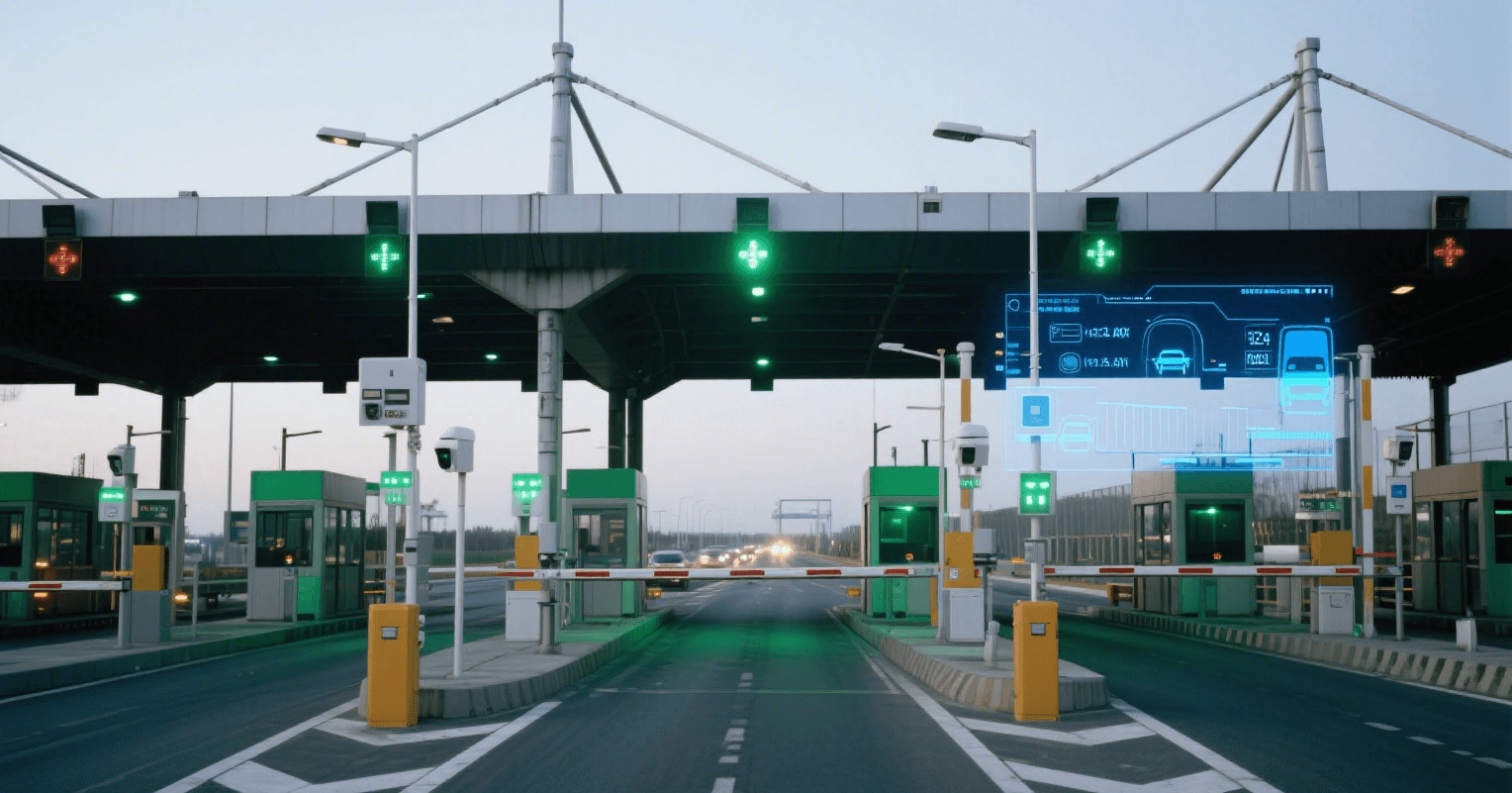
Radar-Powered Smart City Traffic Flow Optimization
As cities grow more connected and urban populations continue to rise, traffic management has become a pressing challenge. Traditional traffic monitoring systems often rely on cameras and inductive loops, which are limited by weather conditions, high maintenance costs, and restricted detection capabilities. To address these challenges, mmWave radar technology has emerged as a key enabler for smarter and safer transportation systems.
The Challenge of Urban Traffic Congestion
Urban congestion costs billions of dollars annually due to wasted time, fuel, and productivity. More importantly, it poses safety risks for pedestrians, cyclists, and drivers. Outdated traffic control systems that operate on fixed cycles cannot adapt to real-time changes in traffic demand, leading to inefficiencies and accidents.
Why mmWave Radar is the Game-Changer
Unlike optical sensors, mmWave radar operates reliably in all lighting and weather conditions, including rain, fog, and snow. It offers high-resolution detection of vehicles, pedestrians, and cyclists with precise range and velocity measurement. Linpowave’s radar solutions cover frequency bands such as 24GHz and 77GHz, ensuring wide adaptability for urban deployment.
Key advantages include:
-
Non-intrusive installation: Unlike inductive loops, no road excavation is needed.
-
High precision: Lane-level accuracy even in multi-lane scenarios.
-
Robustness: Resistant to dust, lighting, and environmental interference.
Application Scenarios in Smart Cities
-
Adaptive Traffic Light Control
By detecting the number of vehicles and their speeds approaching intersections, radar can optimize signal timing dynamically, reducing waiting times and minimizing congestion. -
Pedestrian and Cyclist Safety
Radar detects vulnerable road users in crosswalks, enabling vehicles and infrastructure systems to respond quickly to potential hazards. -
Smart Intersections for V2X
With the rise of connected vehicles, radar-equipped intersections enable vehicle-to-everything (V2X) communication, allowing traffic lights, vehicles, and road sensors to share real-time information for safer decision-making.
Linpowave’s Radar Solutions for Traffic Optimization
Linpowave’s V200 mmWave radar is designed for lane-level monitoring with a detection range of 0.4–200 meters, supporting vehicle classification and speed measurement. Its compact design and modular adaptability make it ideal for integration into existing smart city infrastructure.
For example, in a multi-lane intersection, V200 can distinguish between left-turning, right-turning, and through-going vehicles. This enables adaptive control that reduces unnecessary stops and improves traffic efficiency.
Benefits for Smart Cities
-
Reduced congestion – Optimized signal cycles mean shorter waiting times.
-
Improved safety – Real-time monitoring reduces collisions with pedestrians and cyclists.
-
Lower emissions – Efficient traffic flow reduces idle times and fuel consumption.
-
Cost-effectiveness – Radar’s durability reduces maintenance costs compared to cameras and loops.
The Future of Radar in Smart Cities
As AI and 5G continue to advance, radar systems will become even more intelligent. Integration with cloud platforms enables predictive traffic analytics, while V2X ensures safer autonomous and human-driven vehicle interaction. Linpowave’s technology positions cities to meet the challenges of future mobility.
Conclusion
The future of smart mobility lies in combining robust sensing with adaptive intelligence. Linpowave’s mmWave radar technology is redefining how cities manage traffic, creating safer, greener, and more efficient transportation networks.
To learn more about our radar solutions, visit Linpowave Smart Traffic Solutions.