






The Challenges of Altitude Measurement in Drone Operations
In the fast-paced world of urban delivery and aerial surveillance, reliable altitude measurement is crucial for safe and efficient drone flights. However, many operators face significant hurdles with traditional sensors like ultrasonic or barometric altimeters, which often struggle in variable weather, over reflective surfaces, or at higher altitudes. These limitations can lead to inaccurate readings, increasing the risk of crashes or failed missions. For delivery drones navigating bustling cityscapes, such issues directly impact precision and safety, making it essential to address these problems head-on.
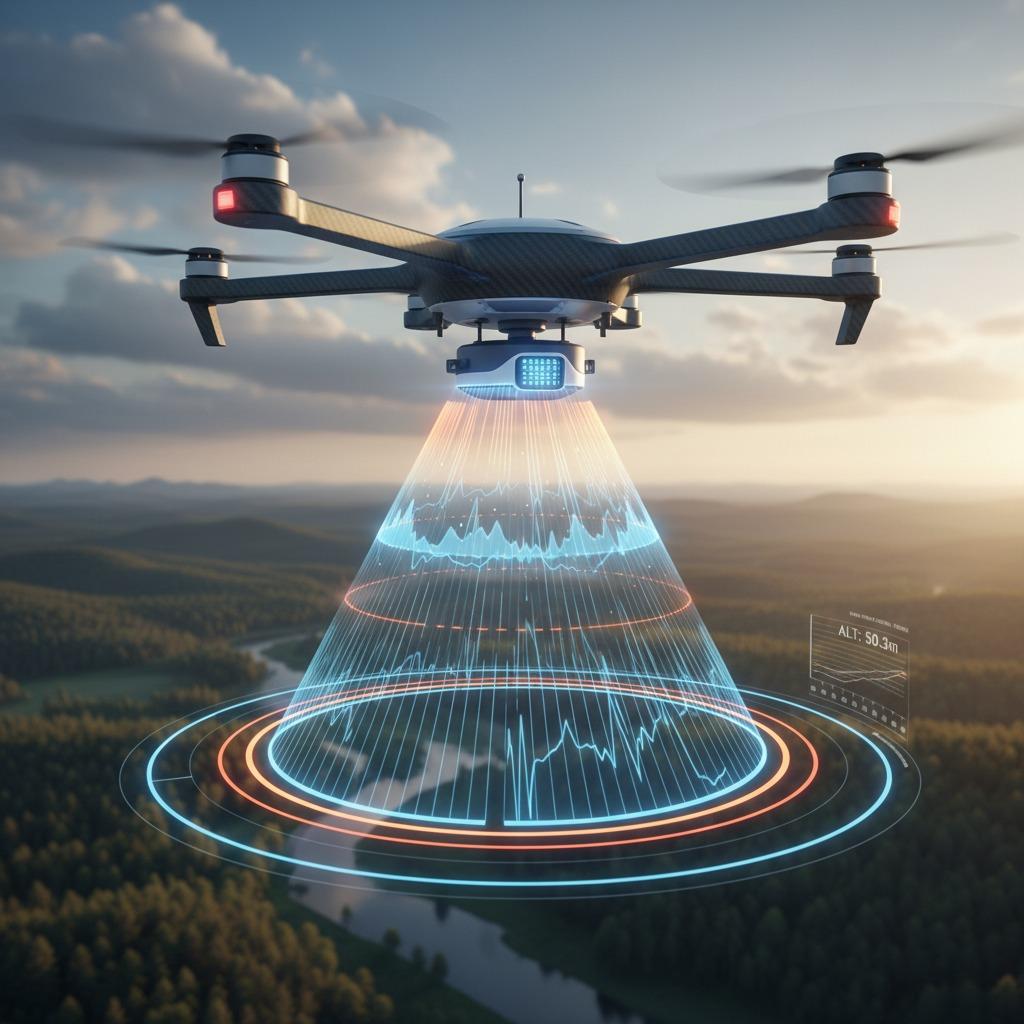
Enter the Drone Radar Altimeter, a groundbreaking solution that revolutionizes how drones perceive their height above ground. Unlike older technologies, this radar-based system provides precise, real-time data regardless of environmental factors, ensuring drones maintain optimal flight paths. By integrating advanced radar waves, the drone radar altimeter overcomes the pitfalls of conventional methods, offering unmatched accuracy for critical operations.
Enhancing Drone Altitude Measurement with Radar Technology
Focusing on radar altimeters for drones, this technology uses millimeter-wave radar to measure distance to the ground with centimeter-level precision. In urban environments, where buildings and vehicles create complex terrains, the drone altitude measurement powered by radar ensures stability during takeoff, landing, and hovering. For instance, delivery drones equipped with this system can accurately gauge height over water, grass, or concrete, preventing errors that could compromise package integrity or flight safety.
The aerial drone radar systems extend this reliability to broader applications, such as mapping and inspection tasks. Precision altimetry in drones becomes seamless, allowing for automated altitude adjustments that enhance overall mission success. This is particularly vital for drone navigation technology, where even minor deviations in height can disrupt GPS integration or route planning.
Boosting Safety and Efficiency in UAV Operations
Safety remains paramount in drone usage, and drone flight safety equipment like radar altimeters plays a pivotal role. Altitude sensing for UAVs through radar mitigates risks by providing continuous, interference-free data, even in low-visibility conditions like fog or rain. This technology supports emergency maneuvers, ensuring drones avoid obstacles and maintain safe distances from the ground.
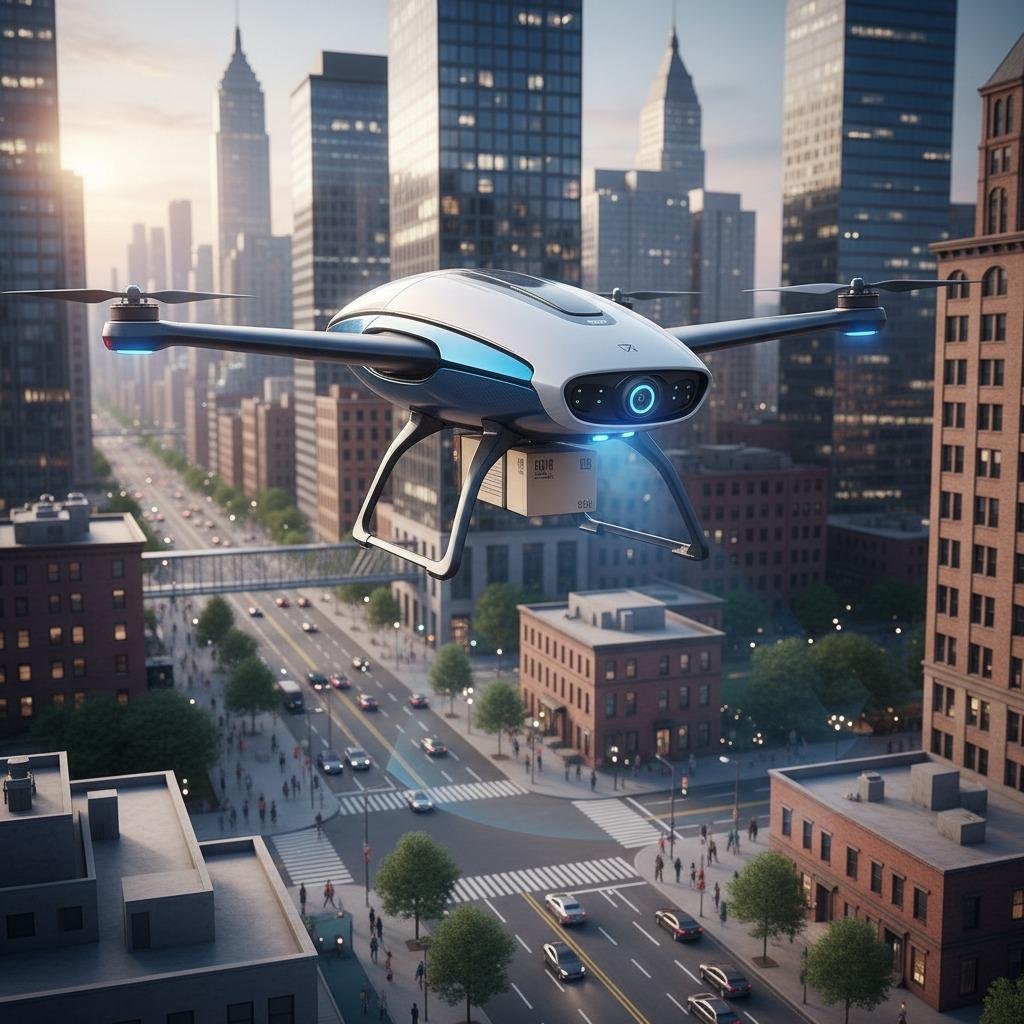
Radar technology in drones further integrates with other sensors for a comprehensive safety net. Advanced drone sensors, including the Drone Radar Altimeter, enable real-time monitoring that alerts pilots to potential hazards, reducing accident rates significantly. For delivery-focused operations, such as those using the Advanced Delivery Drone, this means smoother navigation through cityscapes, with its sturdy frame and powerful rotors complemented by precise height control for secure parcel transport.
The sleek design of modern delivery drones optimizes aerodynamic efficiency, and pairing it with a radar altimeter for drones extends flight times while upholding safety standards. GPS navigation and obstacle detection are enhanced, making routes more efficient and deliveries punctual. Whether transporting documents or packages, this integration transforms urban logistics, minimizing delays and maximizing reliability.
Future-Proofing Drone Technology for Tomorrow's Needs
Looking ahead, the adoption of precision altimetry in drones and aerial drone radar systems will drive innovation in the industry. As regulations evolve to demand higher safety thresholds, drone navigation technology equipped with advanced radar will lead the way. Altitude sensing for UAVs will no longer be a challenge but a standard feature, empowering operators with confidence in diverse scenarios.
For companies revolutionizing urban delivery, incorporating the drone radar altimeter ensures compliance and a competitive edge. Its role in drone flight safety equipment underscores a commitment to precision and protection, fostering trust among users. Ultimately, radar technology in drones like the Advanced Delivery Drone paves the path for scalable, efficient aerial solutions that redefine logistics and beyond.