







Sidelobe suppression: why it matters before a radar or EW system goes into the field
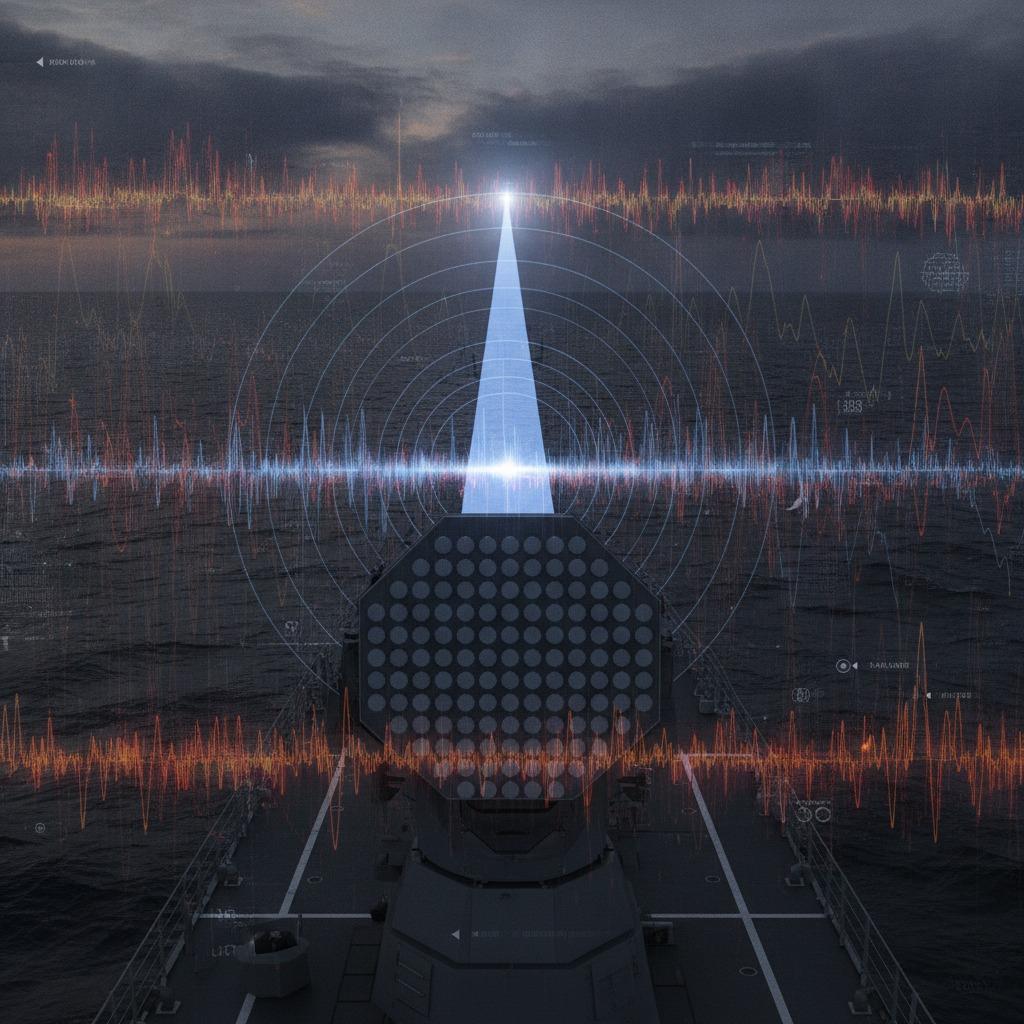
Sidelobe suppression is one of those technical details that quietly decides whether a system performs cleanly in a crowded spectrum or spends its life fighting self-inflicted interference. Engineers usually notice it when a radar target gets buried by clutter, when a receiver starts hearing what it should ignore, or when a jammer seems to have an easier job than expected. For sourcing managers and product teams, the issue is not just signal purity; it is whether the chosen architecture will hold up in a real operating environment where reflections, emissions, and adversarial interference all overlap.
The practical decision behind this topic is straightforward: how much unwanted energy can your system tolerate outside the main beam or main lobe before performance starts slipping? That answer depends on waveform design, antenna behavior, processing strategy, and the way the platform is expected to operate in a complex electromagnetic environment. None of those elements can be treated as an afterthought.
What sidelobes do to system performance
Sidelobes are the lower-level responses that appear outside the main lobe of an antenna pattern or signal response. In plain terms, they are the places where energy leaks. In a controlled lab setup, the effect may look small. In the field, those small leaks can become costly.
High sidelobes can allow unwanted echoes, clutter, or interfering signals to creep into the receiver chain. They can also make it harder to distinguish a real target from false returns. In electronic warfare applications, sidelobes may give a jammer more opportunities to inject noise or deception into parts of the pattern that were not meant to be useful in the first place. That is why sidelobe suppression is usually discussed alongside waveform design and receiver robustness, not as a separate checkbox.
Where suppression comes from: the main levers
Waveform shaping and processing
One common route is signal processing. When engineers talk about pulse compression gain, they are usually balancing range resolution, detectability, and the amount of sidelobe energy created by the chosen waveform. More gain is attractive, but it is not free. If the waveform is not managed carefully, the compressed response can create sidelobes that complicate detection in dense clutter or near strong reflectors.
That is why waveform selection should be judged in context, not by a single metric. A design that looks impressive on paper may still be difficult to deploy if it produces a response that is too eager to ring around the edges.
Antenna and array behavior
Antenna geometry, array spacing, and calibration all matter. Even a well-designed processor cannot fully rescue poor radiation behavior. If the physical platform generates excessive off-axis energy, software can reduce the damage, but it usually cannot erase it. Buyers often underestimate this point when comparing hardware options from different vendors. The antenna and the signal chain should be evaluated together.
Adaptive control in the field
Modern systems often need to react to changing conditions. A frequency hopping pattern can help reduce predictability and improve resilience when the spectrum becomes contested. In some cases, hopping works best when paired with adaptive filtering or detection logic that responds to the current interference picture. The goal is not just to hop for its own sake, but to hop in a way that remains stable and efficient under pressure.
Quick comparison: what each approach helps with
For buyers and system integrators, it helps to separate the tools by what they actually solve. Waveform design tends to influence the shape of the response. Array and antenna design control how much energy escapes where it should not. Processing algorithms clean up the residual effect. Adaptive tactics, including frequency agility, help the system stay usable when the operating environment changes faster than a fixed design can handle.
None of these is a substitute for the others. If a supplier claims one feature solves everything, that is a good moment to ask for field data, not marketing language.
Working in a complex electromagnetic environment
Real deployments rarely offer a calm spectrum. Civil and military platforms alike may face reflections from structures, overlapping emitters, wideband noise, and deliberate interference. Complex electromagnetic environment adaptation is therefore less a luxury than a requirement. Systems that cannot adapt tend to degrade in ways that are hard to diagnose after installation.
This is where the interaction between sidelobe suppression and countermeasure resilience becomes visible. A platform with cleaner sidelobes is easier to protect, easier to calibrate, and usually easier to interpret during testing. It also gives downstream algorithms a better chance of separating meaningful returns from noise and deception.
Smart jammer counteraction starts with clean signal behavior
There is a tendency to think of smart jammer counteraction as a pure software problem. In practice, it begins earlier. If the system leaks too much energy into unwanted regions, the jammer has more material to exploit. If the waveform is too predictable, the jammer can adapt more quickly. If the receiver is not selective enough, the result can be a cluttered, ambiguous picture that slows decision-making.
A more disciplined approach combines suppression, agility, and detection logic. That means asking whether the system can preserve useful performance when a hostile emitter changes tactics, not just whether it can pass a bench test.
Common buyer mistakes
One common mistake is treating sidelobe suppression as a standalone spec. Another is comparing systems only by peak performance and ignoring how they behave off-axis or under interference. A third is assuming that later software updates can fix an antenna or waveform problem that is fundamentally physical. Sometimes they can help. Often they just improve the appearance of stability.
Buyers should also be careful about test conditions. A clean chamber is useful, but it is not the field. Ask how performance was measured, what kinds of clutter or interference were present, and whether the system was tested for operation changes over time, not only at one ideal operating point.
What to ask before you specify a solution
Before choosing a radar, sensor, or EW component, ask how sidelobes are controlled at the design stage, what tradeoffs were made against resolution or range, and how the system behaves in contested spectrum conditions. If frequency agility is part of the design, ask how the frequency hopping pattern is coordinated with detection and tracking functions. If adaptive countermeasure logic is claimed, ask what happens when the environment becomes more cluttered or more deceptive than expected.
Those questions do not always produce glamorous answers, but they usually produce better purchasing decisions.
Next step for engineering and sourcing teams
If your platform depends on stable detection, low false alarms, or reliable operation in contested conditions, sidelobe suppression deserves a design review early, not late. Use it as a filter when comparing suppliers, reviewing architectures, or writing requirements. A clean main response is helpful; a controlled edge response is what often separates a field-ready system from a promising prototype.
If you are preparing a specification or vendor shortlist, start by mapping your actual electromagnetic environment, then match the suppression strategy to that reality. That is usually where the real performance gains begin.