






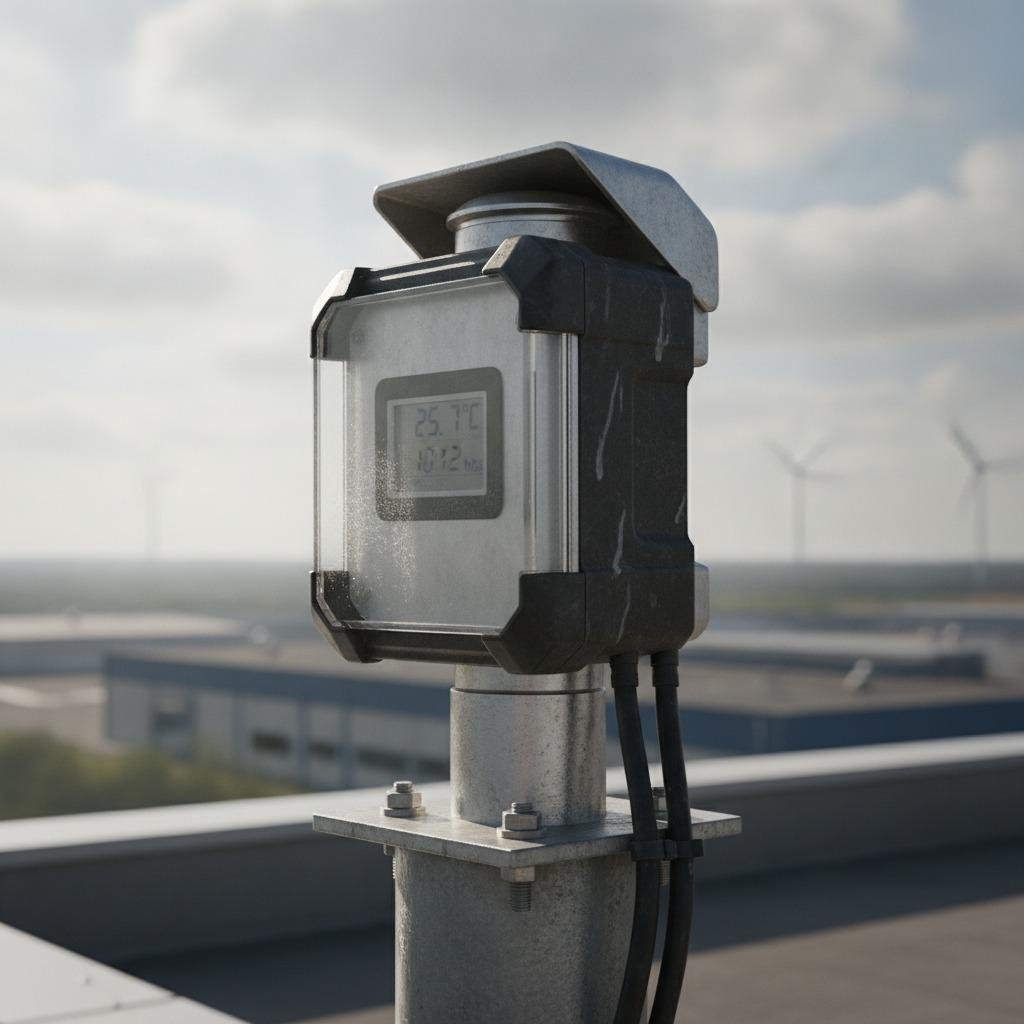
Why temperature changes keep undermining sensor readings
Temperature-compensated sensing matters because many industrial measurements drift when ambient conditions move faster than the equipment was designed to handle. A sensor may look stable on a bench, then start behaving differently on a roof, in a factory bay near a furnace, or inside a cabinet that sees hot afternoons and cold nights. For engineers and sourcing teams, that drift is not a small nuisance. It can create false alarms, mask real faults, and force operators to chase problems that are really coming from the measurement chain itself.
The practical question is not whether temperature affects sensors. It does. The real decision is how much compensation your application needs, and whether that compensation is built into the sensing element, the signal conditioning, or the system software. That choice affects accuracy, installation tolerance, maintenance effort, and even how often a technician has to recalibrate the device in the field.
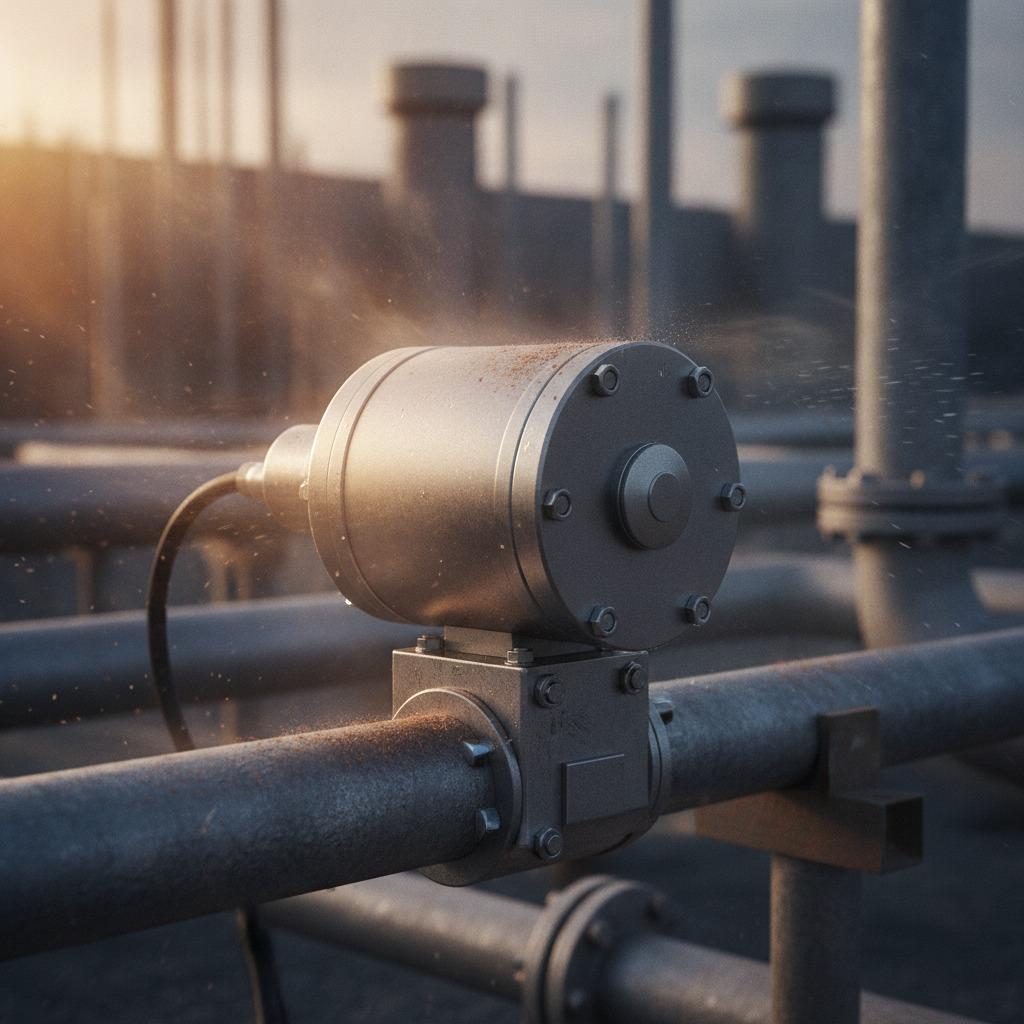
What temperature compensation is actually doing
At a basic level, temperature compensation corrects sensor output so that the reading stays closer to the true process value as environmental conditions change. Different technologies do this in different ways. Some use matched materials and circuit design to reduce drift at the source. Others apply correction curves based on internal temperature measurements. More advanced systems may combine compensation with self-calibration capability to keep offsets under control over time.
For buyers, the important point is that compensation is not the same as simply making a sensor “more accurate.” It is a design strategy for keeping performance usable across real operating conditions. That distinction becomes obvious in applications where the equipment sees heat cycling, direct sun, cold starts, or rapid load changes. In those cases, a nominally precise sensor can still deliver poor field results if the compensation strategy is weak.
Where compensation matters most
Some applications are naturally demanding because the environment changes faster than the process being measured. Outdoor monitoring, mobile equipment, HVAC controls, battery systems, and process lines exposed to washdown or seasonal swings all benefit from temperature-compensated sensing. So do installations near motors, drives, transformers, and other heat sources where local ambient temperature is not really “ambient” at all.
It also matters when the sensor is part of a decision loop. If the reading feeds a PLC, alarm system, or quality gate, then even modest drift can ripple into unnecessary shutdowns or a bad batch moving forward. In that sense, compensation is less about theoretical accuracy and more about decision quality.
Key design features to look for
Vibration-resistant design
Temperature stability does not help much if the sensor cannot survive the machine it is mounted on. A vibration-resistant design reduces connection failures, internal movement, and intermittent readings. That is especially relevant on rotating equipment, transport systems, and field installations where mechanical shock is part of daily life.
Harsh weather adaptation
If the sensor lives outdoors, weather adaptation becomes part of the compensation story. Moisture ingress, thermal cycling, UV exposure, and condensation can all change how a sensor behaves. Good packaging, suitable housings, and sensible mounting choices often matter as much as the sensing element itself. A highly compensated sensor in a poor enclosure is still a weak solution.
Electromagnetic compatibility (EMC)
In industrial environments, electrical noise can be a quiet source of bad data. Proper electromagnetic compatibility (EMC) helps prevent motors, drives, welders, and switching equipment from corrupting the signal. This is easy to overlook during procurement because the problem may not appear during a quick test. It shows up later as random spikes, drifting outputs, or readings that improve when someone moves the cable a few centimeters.
Self-calibration capability
Self-calibration capability can reduce maintenance burden, but it should be treated carefully. It is useful when the application has predictable operating states or built-in references. It is less helpful if the process itself is unstable or if the reference conditions are not trustworthy. Buyers should ask what the device calibrates against and how often, rather than assuming “self-calibrating” means “maintenance free.” That assumption causes trouble.
How to compare options without getting lost in the datasheet
When evaluating sensors, start with the environment, not the catalog. Ask how much the temperature changes across a shift, where heat is coming from, and whether the sensor sees direct sunlight, washdown, vibration, or electrical noise. Those conditions shape the compensation method you actually need.
Then compare the sensor’s temperature range, drift characteristics, mounting requirements, and recovery after temperature shock. A sensor that performs well at steady state may still be slow to settle after a sudden ambient change. That matters in batch processing and mobile equipment, where the device is rarely allowed to sit still for long.
It is also worth checking whether the compensation is internal or external. Internal compensation is cleaner from an integration standpoint, but external correction can be easier to tune when the process has unusual heat behavior. Neither approach is automatically better. The right answer depends on who owns the calibration data and how the system will be maintained.
Common mistakes buyers still make
The first mistake is assuming all temperature-compensated sensing behaves the same. It does not. Two sensors may both claim compensation, yet one may correct only a narrow thermal band while the other uses a more robust model. The second mistake is ignoring installation effects. Mounting a sensor too close to a heat source, placing it in a stagnant pocket of air, or running the cable next to a noisy power line can erase the benefit of a well-designed device.
A third mistake is over-specifying where it is not needed. In stable indoor applications, the added cost of aggressive compensation may not return much value. In that case, simpler hardware with good EMC performance and straightforward calibration may be the more sensible buy. Engineers usually know this instinctively; the challenge is keeping the spec sheet from pushing the team toward unnecessary complexity.
Practical advice for sourcing teams and engineers
For sourcing managers, the safest path is to define the environmental envelope clearly before asking vendors for options. Include expected temperature swings, vibration levels, weather exposure, and electrical noise sources. If the application is field-installed, ask for evidence of long-term stability rather than just initial accuracy claims.
For engineers, pay attention to the whole measurement chain. The compensation algorithm may be solid, but poor enclosure design, cable routing, or mounting position can still distort results. When possible, test the sensor under real thermal transitions, not only at room temperature. That one step catches more surprises than most teams expect.
Frequently asked questions
Is temperature compensation the same as calibration?
Not exactly. Calibration sets or verifies the sensor against a reference. Temperature compensation corrects how the sensor behaves as conditions change. The two are related, but they solve different problems.
Does every application need self-calibration capability?
No. It can be useful, but it is not a universal requirement. In some systems, periodic manual calibration is simpler and more transparent.
Can compensation fix poor mechanical design?
Only partly. A solid sensing strategy still needs a suitable enclosure, good EMC practices, and installation that matches the environment.
Choosing the right path forward
If your application faces temperature swings, the safest buying decision is usually the one that treats compensation as part of the whole design, not a feature on a brochure. Look for a balanced package: stable sensing behavior, vibration-resistant design where needed, harsh weather adaptation for outdoor use, solid EMC protection, and self-calibration capability only when it genuinely reduces maintenance without adding hidden complexity.
For teams evaluating new sensors or upgrading a fielded system, the next step is simple: map the real operating environment, define acceptable drift, and ask suppliers how their temperature-compensated sensing approach holds up after installation, not just in the lab. That is where the useful answer usually appears.