






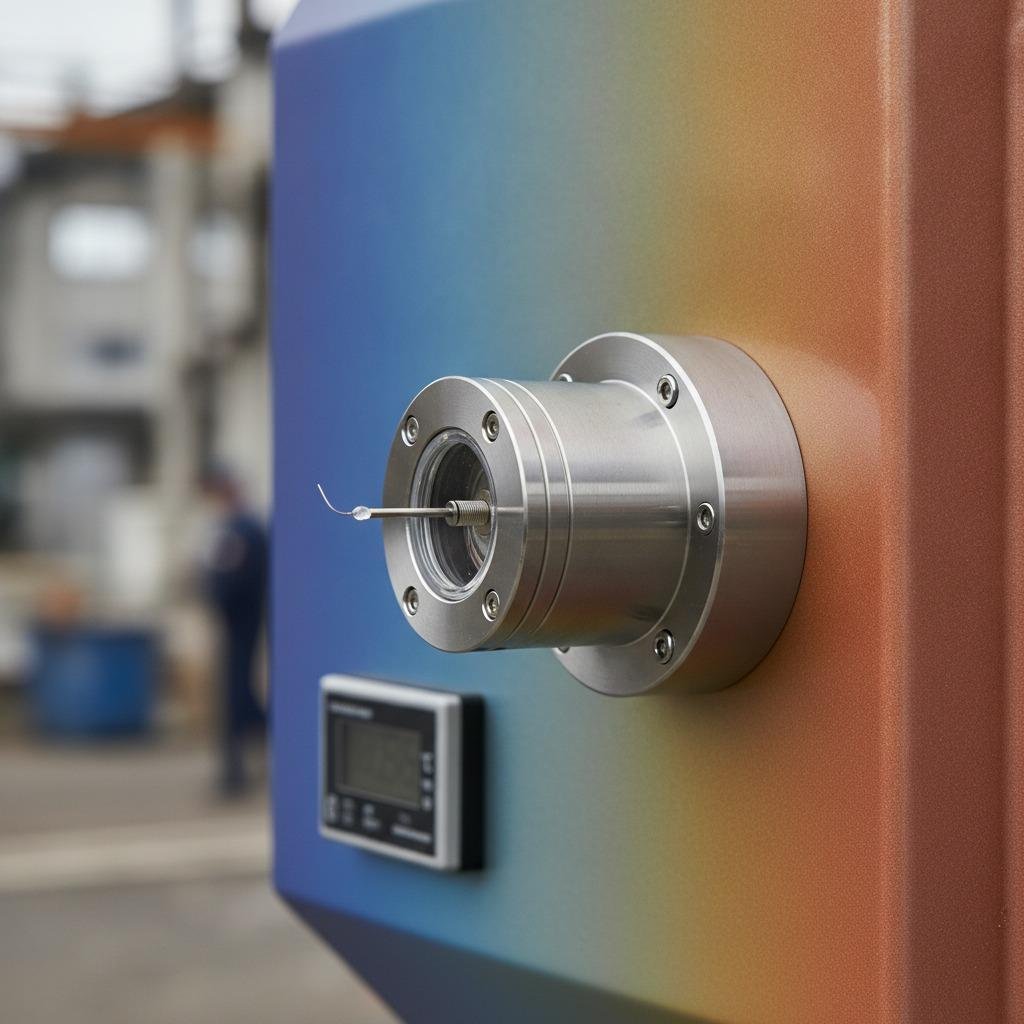
Why temperature-compensated sensing matters in the field
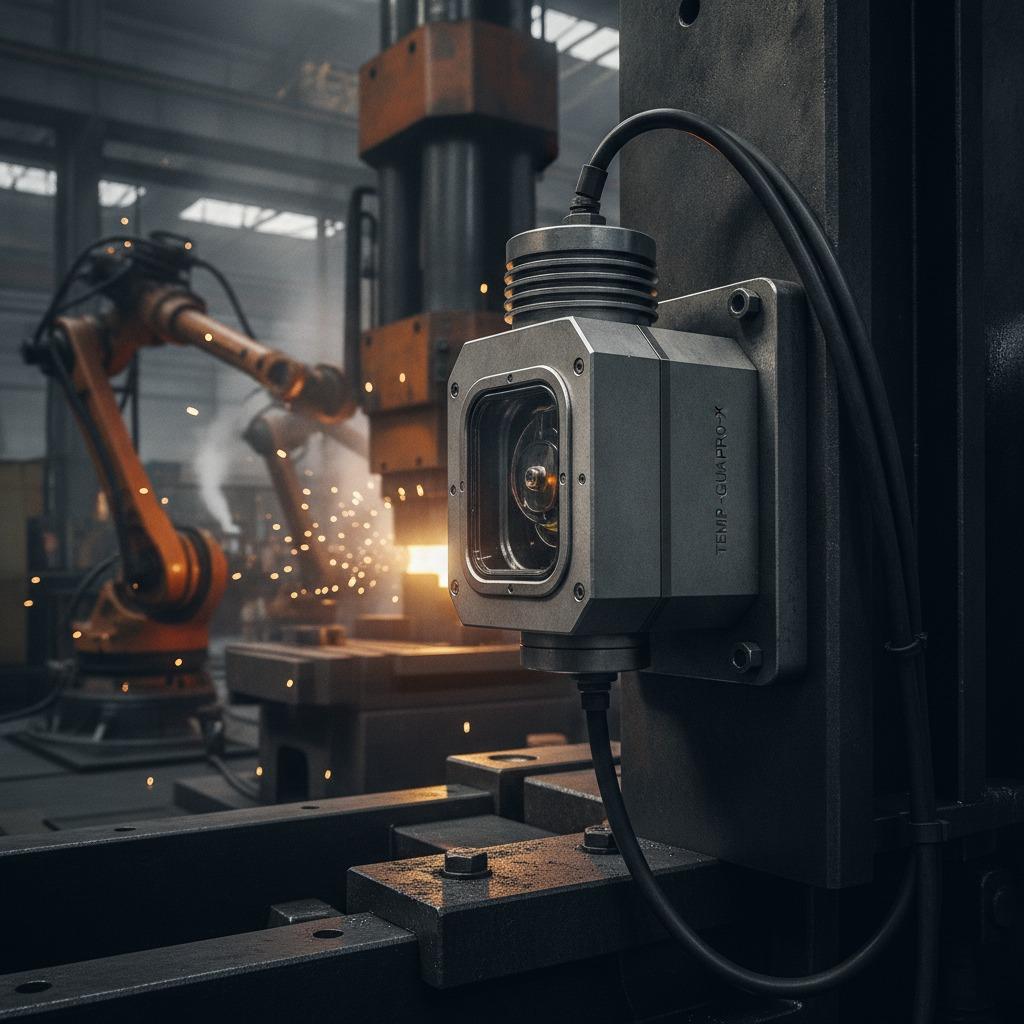
Temperature-compensated sensing is one of those design details that only gets attention after something has already gone wrong. A sensor may look fine on the bench, then drift once it is mounted near a motor, exposed to winter cold, or left baking inside an enclosure that sees daily heat cycles. For engineers and sourcing managers, the real issue is not whether a device can measure a value once. It is whether it can keep measuring it accurately when the environment changes around it.
That matters in more places than many purchasing teams first expect. Outdoor controls, heavy equipment, process automation, mobility systems, and remote monitoring hardware all face temperature swings that can distort readings or trigger nuisance alarms. In practice, temperature drift can lead to false decisions, unnecessary service visits, or worse, a control system reacting to the wrong input.
What problem compensation actually solves
All sensing elements have some relationship with temperature. Materials expand, resistances change, offsets creep, and signal conditioning can shift. Without compensation, a sensor may report a stable physical condition as if it were changing. In a lab this looks like a calibration issue. In the field it becomes a reliability issue.
A good temperature-compensated sensing design aims to hold output steady across the expected operating range. That can be done with hardware choices, signal processing, reference elements, or a mix of methods. The exact approach depends on the product category, but the buying decision is often similar: choose the sensor system that stays honest under real operating conditions, not just ideal ones.
Quick buyer’s view: what to look for
If you are comparing options, the questions below usually reveal more than a long datasheet.
Does the sensor keep its accuracy across cold start, heat soak, and repeated cycling?
Does the enclosure and mounting help with Vibration-resistant design, or is the sensing element exposed to mechanical noise?
Is there Harsh weather adaptation for condensation, UV, rain, dust, or freezing conditions?
Has the manufacturer addressed Electromagnetic compatibility (EMC), especially if the sensor will live near drives, relays, or RF equipment?
Does the unit offer Self-calibration capability, or will it need scheduled manual recalibration?
Not every application needs all five. But if a supplier cannot explain the compensation strategy in plain language, that is a warning sign.
How compensation is usually implemented
Hardware-based compensation
Some sensors use matched materials, reference channels, or temperature-sensitive elements that cancel predictable drift. This is common when the sensing task is stable and the operating envelope is well understood. It can be elegant, but only if the manufacturer has done the work to match the parts and maintain that consistency in production.
Software-based compensation
Other products rely on a microcontroller or signal processor to correct the output curve. This gives more flexibility, especially when the system must cover a wider temperature range or support custom behavior. The downside is familiar: if the model is weak, compensation can correct one part of the curve while introducing error somewhere else.
Hybrid approaches
Many industrial sensors now use both. A stable physical design reduces noise and drift, while software handles the remaining correction. That tends to be the most practical approach for demanding field equipment, though it should still be validated in the actual installation environment.
Where related design features become decisive
Temperature compensation does not live in isolation. A sensor can be accurate in a thermal chamber and still fail in service because the mounting shifts, the cable picks up interference, or moisture enters the housing.
Vibration-resistant design matters in mobile equipment, rotating machinery, and transport applications. If the sensing package is mechanically loose, no amount of compensation will fully save the signal.
Harsh weather adaptation is just as important for outdoor installations. Seal quality, venting strategy, and material selection affect whether the compensated reading remains stable after rain, frost, or rapid heat transitions.
EMC deserves a careful look whenever the sensor shares space with variable-frequency drives, welders, radios, or solenoids. Electrical noise can look like temperature drift if the signal path is not properly protected.
Self-calibration capability can reduce maintenance, but buyers should treat it as support, not magic. A sensor that self-corrects against a poor reference still drifts; it just does so more elegantly.
Common mistakes buyers make
One common mistake is specifying temperature range without asking what happens at the extremes. Another is assuming a high-accuracy sensor will remain accurate once installed in a hot enclosure or next to a power component. A third is overlooking how the mounting method influences thermal transfer. A sensor strapped to a metal frame may behave very differently from the same sensor floating in air.
There is also a procurement habit worth challenging: comparing only price. In this category, the lowest-cost option may carry hidden costs in returns, recalibration, or field troubleshooting. That is especially true when a system must operate continuously and a bad reading affects other equipment downstream.
Practical selection advice for engineering and sourcing teams
Start with the environment, not the catalog. Define the expected temperature range, rate of change, vibration level, moisture exposure, and nearby electrical noise. Then ask suppliers how their compensation method behaves under those conditions. If the answer stays vague, ask for application examples, test conditions, or engineering notes.
For sourcing teams, it helps to separate the requirements that are essential from those that are merely desirable. A sensor with strong environmental protection but modest compensation may be better than a highly compensated part with weak field robustness. The right balance depends on whether you are protecting a process variable, a safety-related function, or a general monitoring point.
FAQ: short answers to common questions
Is temperature compensation only for precision applications?
No. Even moderate-accuracy systems can suffer if temperature drift pushes readings outside a usable window.
Can compensation replace calibration?
Not entirely. It reduces drift, but it does not remove the need to verify performance over time.
Should every outdoor sensor have the same compensation strategy?
No. Outdoor use varies widely. A roadside device, a rooftop unit, and a machine-mounted sensor face different thermal and mechanical stresses.
What to ask before you commit
Before placing an order, ask for the compensation method, the real operating range, the validation conditions, and any limits tied to installation orientation or enclosure type. That one conversation often reveals whether the product is engineered for field use or merely adapted for it.
If the application is critical, involve both engineering and procurement early. Temperature-compensated sensing is not just a specification line; it is part of the system’s reliability strategy. Choosing it well can save maintenance hours, reduce false alarms, and make the rest of the design easier to trust when the weather turns or the machine starts vibrating.