




How to Implement Traffic Monitoring Radar for Smarter Urban Mobility
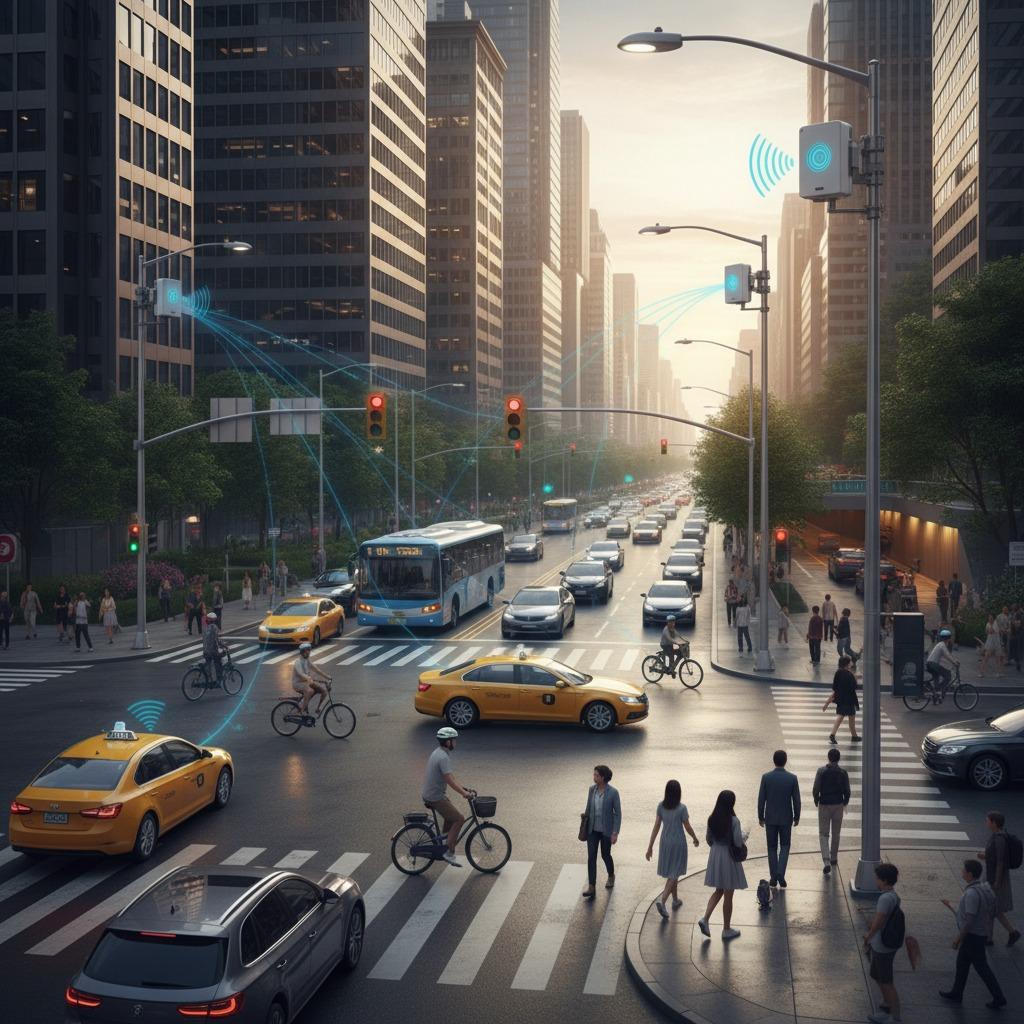
In today's congested cities, effective traffic monitoring radar technology is transforming how we manage roads. This advanced tool provides real-time information about vehicle movements, reducing congestion and improving safety. Cities can improve traffic flow and reduce the likelihood of accidents by incorporating traffic monitoring radar into urban planning. This guide will walk you through the steps of putting such systems in place, drawing on innovative solutions such as our Smart Intersection System, which combines cutting-edge sensors and cameras to achieve optimal results.
Understanding the Fundamentals of Traffic Monitoring Radar
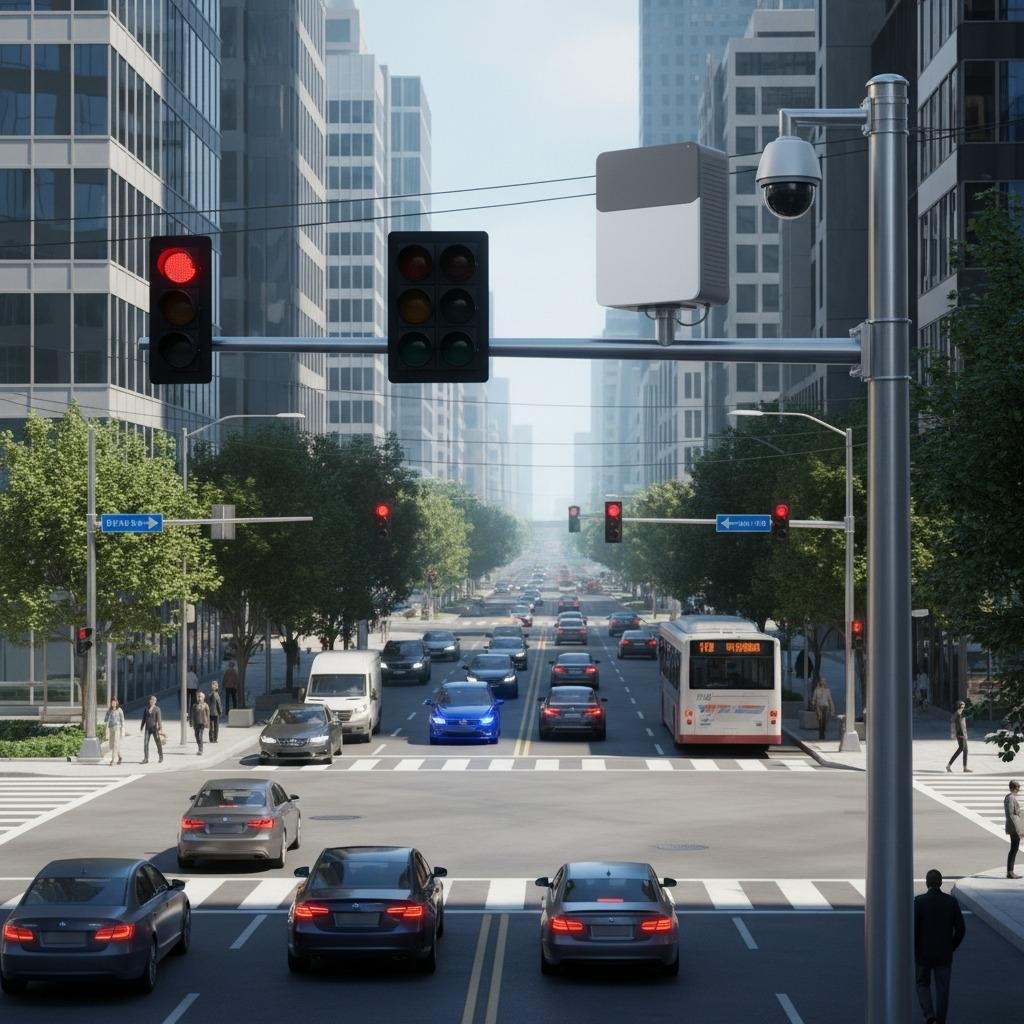
To begin implementing Traffic Monitoring Radar, it is critical to understand its fundamental components. Traffic Monitoring Radar detects and tracks vehicles using electromagnetic waves, providing information on their speed, direction, and density. Begin by identifying your city's traffic hotspots, such as intersections, highways, and high-traffic areas, where congestion is common. Conduct a site survey to determine the best installation locations, ensuring that radar units have clear lines of sight free of obstructions such as buildings or foliage.
Next, choose the appropriate type of radar based on your requirements. For example, our Smart Intersection System includes high-resolution sensors for precise vehicle detection, making it ideal for urban settings. Choose models that can be integrated with existing infrastructure, like traffic lights and surveillance cameras. Make a budget for initial expenses such as hardware, installation, and data processing software. Remember that a well-chosen traffic monitoring radar setup can pay off in terms of reduced delays and improved safety metrics.
Step-by-Step Radar Traffic Management Installation and Configuration
Once you've decided on your equipment, start the installation process. To ensure optimal coverage, place the radar units on poles or gantries at strategic heights, usually 20-30 feet above the road. For radar traffic management, connect the system to a central control unit that processes signals in real time. Our Smart Intersection System performs admirably here, employing advanced algorithms to dynamically adjust traffic signals based on incoming data from Speed Detection Radar features.
To adjust sensitivity, calibrate the system during off-peak hours. Simulate traffic scenarios to ensure that vehicle radar systems detect speeds and volumes accurately and without false positives. Integrate with software platforms for traffic flow analysis, allowing operators to visualize data via dashboards. This step is critical for real-time traffic monitoring because it allows for faster responses to bottlenecks. Train your team on the system's interface, with a focus on interpreting radar systems for traffic outputs so that they can make informed decisions.
Leveraging advanced features for vehicle speed monitoring and beyond
Optimize your Traffic Monitoring Radar for sophisticated applications after installation is finished. Enable features such as Traffic Surveillance Radar to monitor not only vehicles but also pedestrians, improving crossing safety. Our solution's pedestrian safety monitoring employs dedicated sensors to extend green lights when necessary, significantly reducing accident risk.
Dive into data analytics to gain a deeper understanding. Use the data-driven decision-making capabilities of the system. Developing the ability to analyze patterns over time, informing long-term infrastructure upgrades. For example, Advanced Traffic Radar can detect peak-hour trends and guide changes to Vehicle Speed Monitoring protocols. Firmware should be updated on a regular basis to incorporate new algorithms, ensuring that your setup remains current.
Finally, keep track of post-implementation performance metrics. To quantify ROI, track congestion reductions and response times. Our Smart Intersection System provides seamless integration with city-wide networks, ensuring scalability. By following these steps, you'll be able to use Traffic Monitoring Radar to create safer, more efficient urban spaces and embrace the future of smart mobility.
This comprehensive approach not only meets immediate needs but also positions your city for long-term growth. Urban planners can use tools such as real-time traffic monitoring and traffic flow analysis to proactively manage challenges and create environments in which residents thrive.