






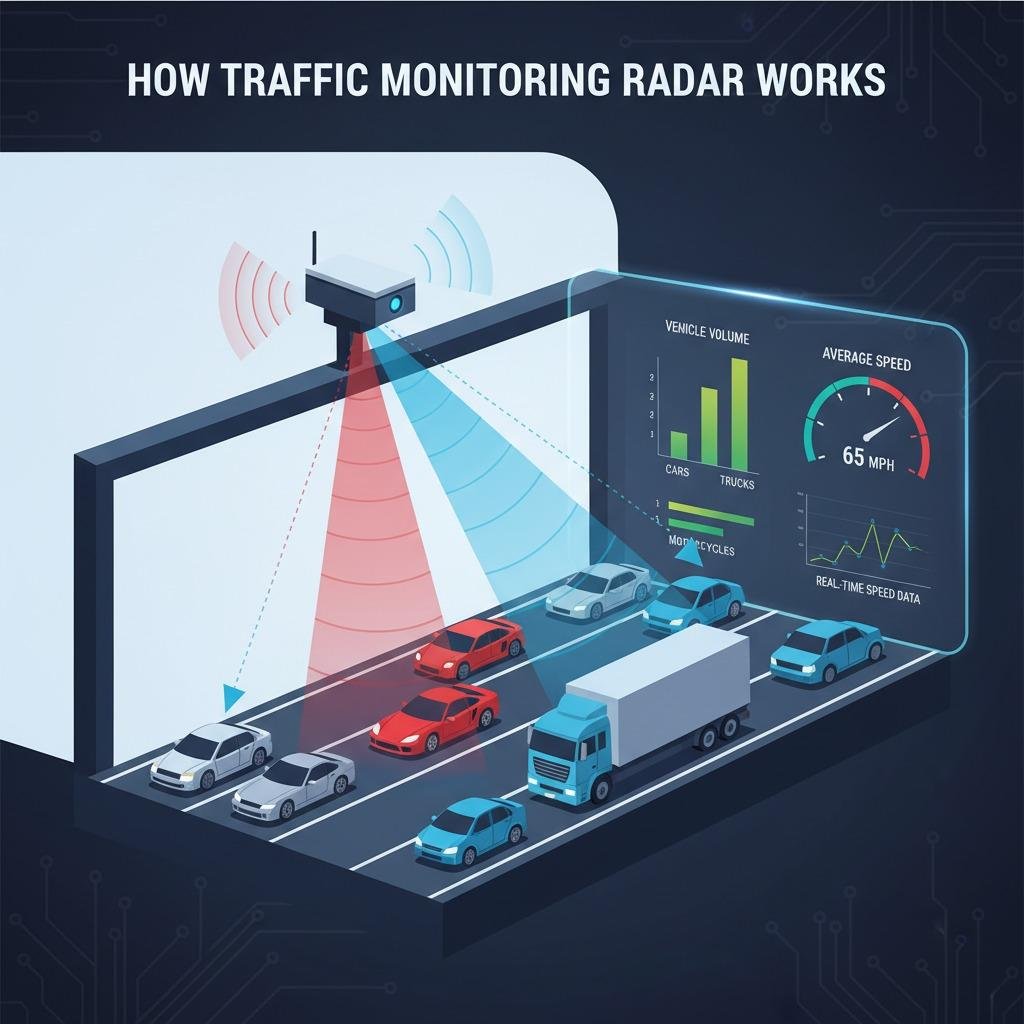
Introduction to Traffic Monitoring Radar
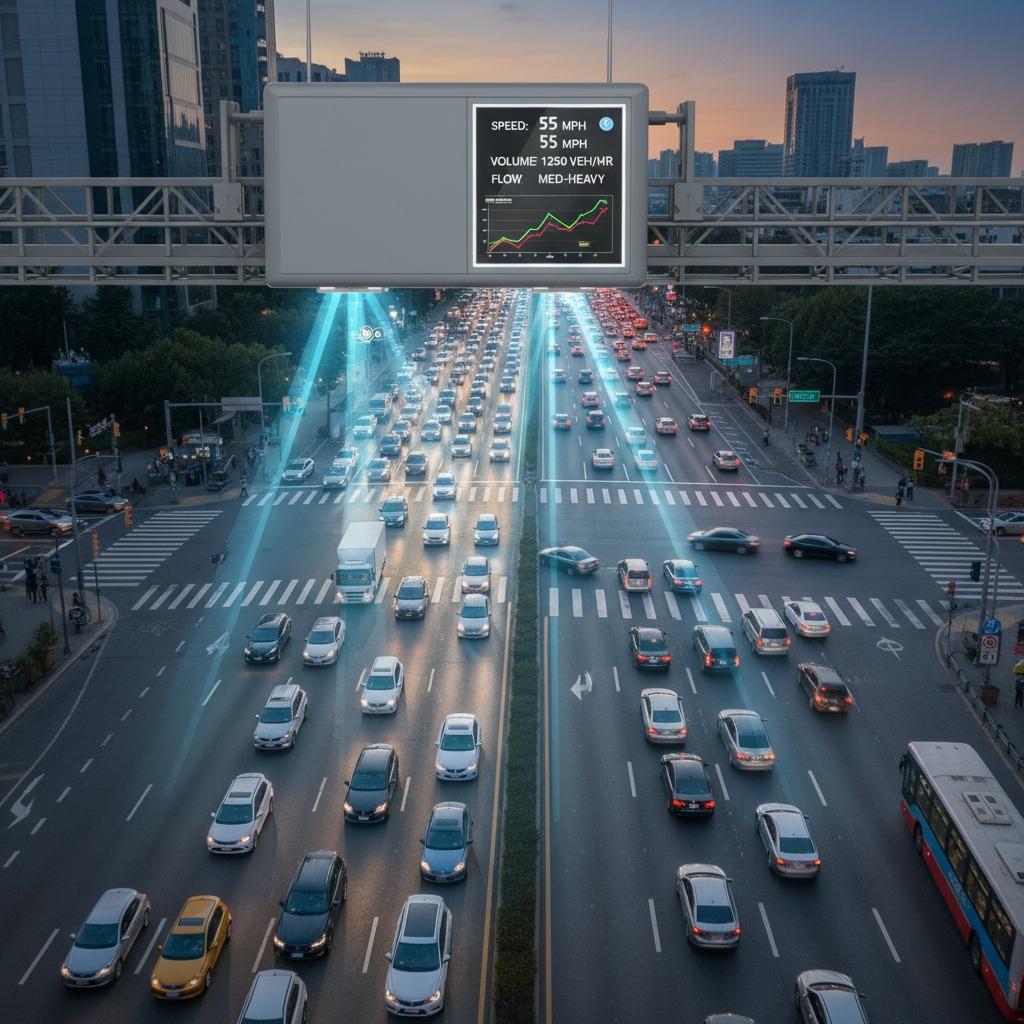
Traffic Monitoring Radar is a cutting-edge technology revolutionizing how we manage and understand road traffic. This innovative system uses radar waves to detect and track vehicles in real-time, providing essential data for safer and more efficient roadways. By integrating advanced sensors, it captures information on speed, volume, and movement patterns without the need for invasive infrastructure. As urban areas grow denser, the demand for reliable traffic monitoring solutions has surged, making this technology indispensable for city planners and transportation authorities.
Key Components of Radar Traffic Management
At the heart of effective road oversight lies Radar Traffic Management, which encompasses a suite of tools designed to optimize traffic flow. Traffic Monitoring Radar serves as the core device, emitting electromagnetic signals that bounce off moving vehicles to measure their velocity and position accurately. This data feeds into broader systems that help in congestion prediction and incident detection. For instance, during peak hours, these radars can identify bottlenecks early, allowing for timely interventions like signal adjustments or rerouting. Beyond basic detection, Radar Traffic Management integrates with software platforms to generate actionable insights, ensuring smoother commutes and reduced emissions in busy corridors.
Advancements in Speed Detection Radar
Speed Detection Radar is a specialized application of Traffic Monitoring Radar, focusing on enforcing speed limits and enhancing road safety. These radars employ Doppler effect principles to calculate vehicle speeds with pinpoint precision, often up to 0.1 mph accuracy. Law enforcement agencies rely on them for mobile and fixed installations, deterring reckless driving and collecting evidence for violations. In integration with Vehicle Radar Systems, they not only monitor individual speeds but also classify vehicle types, from sedans to trucks, aiding in tailored enforcement strategies. Modern iterations include non-intrusive models that operate discreetly, minimizing driver distraction while maximizing compliance.
Exploring Vehicle Radar Systems for Comprehensive Monitoring
Vehicle radar systems extend the capabilities of traffic monitoring radar by incorporating multi-angle detection and weather-resistant designs. These systems are engineered to function in adverse conditions like rain or fog, where optical cameras might fail. They provide 24/7 surveillance, tracking everything from lane changes to unusual braking patterns. In smart city initiatives, vehicle radar systems connect to IoT networks, enabling automated alerts for potential hazards. This holistic approach ensures that traffic authorities have a complete picture, fostering proactive measures against accidents and improving overall infrastructure resilience.
The Role of Traffic Flow Analysis in Modern Transportation
Traffic Flow Analysis is the analytical backbone powered by Traffic Monitoring Radar and its counterparts. By processing vast amounts of radar data, analysts can model traffic patterns, predict future demands, and evaluate the impact of road modifications. For example, during construction projects, real-time traffic flow analysis helps divert traffic efficiently, minimizing delays. Tools within this domain use machine learning to identify trends, such as recurring rush-hour spikes, allowing for optimized public transport schedules. Ultimately, integrating speed detection radar with traffic flow analysis creates a dynamic ecosystem that balances safety, efficiency, and sustainability in transportation networks.
Future Prospects and Benefits
Looking ahead, the evolution of Traffic Monitoring Radar promises even greater integration with autonomous vehicles and AI-driven decision-making. As cities invest in these technologies, benefits like reduced congestion, lower accident rates, and environmental gains become tangible. Radar traffic management systems are not just tools for today but foundational elements for tomorrow's intelligent highways. Whether through enhanced vehicle radar systems or sophisticated traffic flow analysis, this technology is set to transform urban mobility, making our roads smarter and safer for everyone.