







Unlocking Precision Agriculture: A Guide to the Application of Millimeter-Wave Radar in Agricultural Production
In the ever-evolving field of precision agriculture, millimeter-wave radar, with its transformative capabilities, has become a boon to modern farmers. This advanced agricultural radar technology utilizes millimeter-wave frequencies to detect and map obstacles, terrain changes, and crop conditions with extremely high precision. Whether you are operating agricultural drones or exploring agricultural applications, the use of millimeter-wave radar can significantly improve your efficiency and yield. This guide will walk you step-by-step through how to apply millimeter-wave technology in agriculture, focusing on its applications in agricultural spraying drones and crop management drones.
Understanding millimeter-wave radar and its role in agriculture
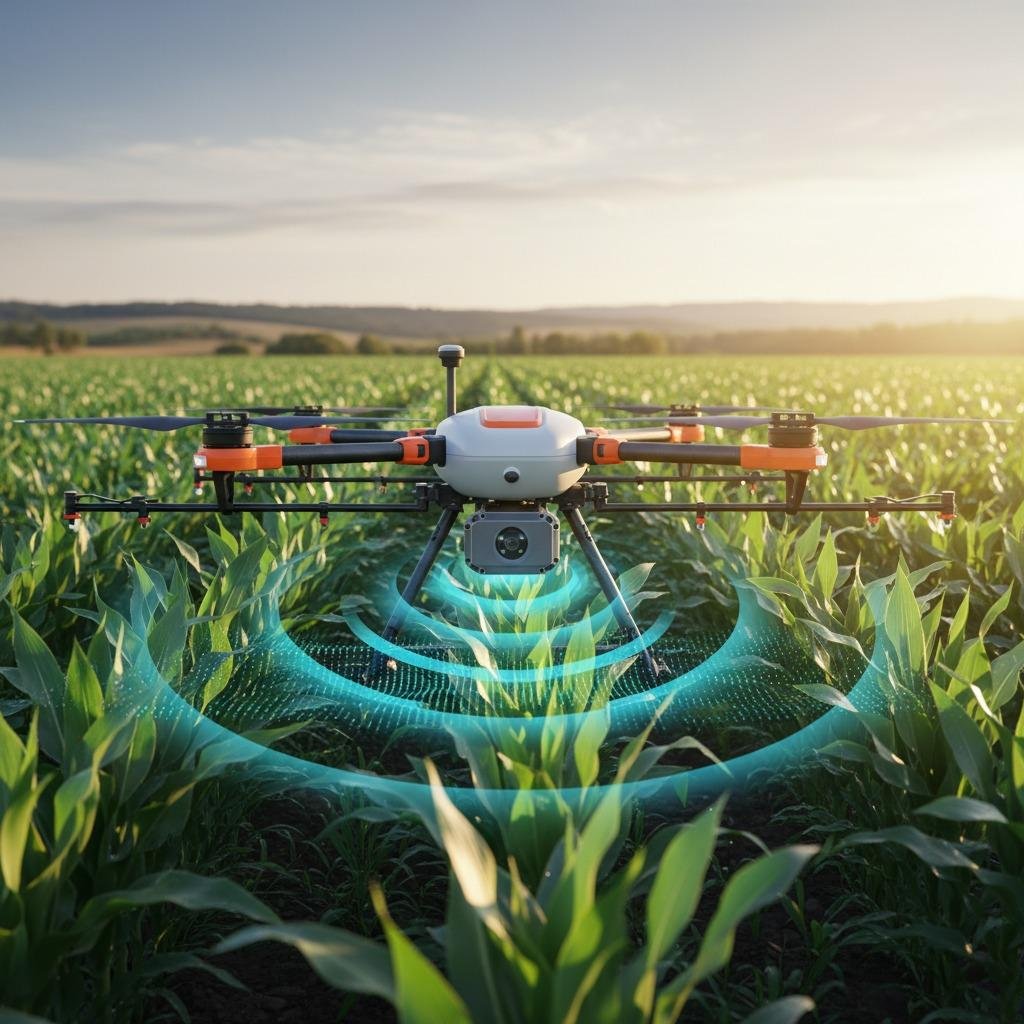
Millimeter-wave radar works by emitting high-frequency radio waves that are reflected by objects, providing real-time data even in adverse weather conditions such as fog, rain, or dust storms—conditions that pose significant challenges to traditional sensors. In precision agriculture, this means reliable remote sensing technology can be used to monitor crop health and farmland layout. To begin integrating millimeter-wave radar, the farm's needs must first be assessed: identify areas with poor visibility or requiring precise navigation, such as rugged terrain or dense vegetation. Choose a compatible system; for example, our advanced agricultural drone incorporates millimeter-wave radar in its advanced navigation suite. This drone features eight powerful rotors for stability, and its streamlined white fuselage houses cutting-edge sensors for smooth operation. Initial test flights on a small plot of farmland calibrate the radar and adjust its sensitivity to distinguish between crops and obstacles. This foundational step lays the groundwork for broader applications, such as using radar technology for automated agricultural path planning.
Applying millimeter-wave radar to spraying drones to achieve optimal crop coverage
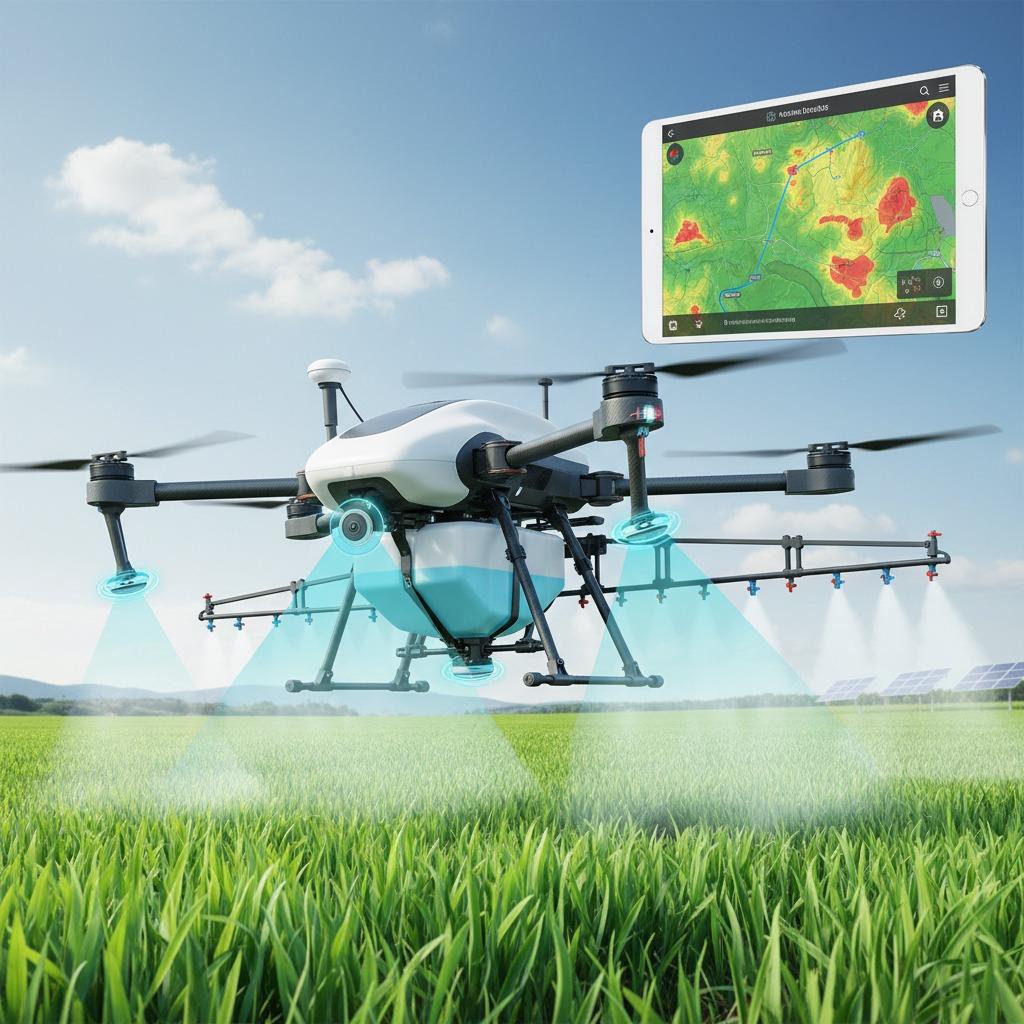
Agricultural spraying drones equipped with millimeter-wave radar are revolutionizing the way you apply fertilizers and pesticides, minimizing waste and maximizing coverage. First, use the drone's agricultural remote sensing capabilities to map your field. Then, launch the drone—ours come equipped with a large, blue, well-stocked water tank, allowing for coverage of large areas without frequent refills. During flight, the millimeter-wave radar scans the area ahead, detecting changes in crop density and altitude, dynamically adjusting the spray pattern. This precision agriculture technology ensures even spraying, reducing chemical overuse by up to 30% while promoting sustainable farming. For even more effective implementation, you can integrate radar data with farm software for real-time analysis or combine it with GPS for hybrid navigation. Conduct trial sprays on pilot crops and monitor spray effectiveness through post-application yield assessments. For crop management drones, they can also be used for inspection missions, using millimeter-wave radar to identify high-incidence areas for pests and diseases or irrigation needs, enabling targeted interventions and improving overall farm productivity.
Advanced Techniques for Maximizing the Application of Millimeter Wave Technology in Agriculture
To fully leverage the advantages of millimeter-wave radar in agricultural drones, consider its scalability and maintainability. Upgrade your drone fleet, such as our durable agricultural drones, designed to withstand various weather conditions and ensure reliable performance. Regularly update firmware to integrate the latest radar technology into agricultural algorithms, enhancing obstacle avoidance capabilities during low-altitude spraying operations. Train your team to interpret radar-generated data visualizations that reveal subtle field anomalies invisible to the naked eye. For larger operations, combine millimeter-wave technology with AI-driven analytics to predict crop stress and optimize resource allocation. Safety is paramount—always inspect radar sensors before flight to ensure accuracy. By following these steps, you can not only improve operational accuracy but also promote healthy crop growth and sustainable agriculture. Our advanced agricultural drones, equipped with efficient spraying systems, are ready to take your operations to new heights, making millimeter-wave radar an indispensable asset in your precision agriculture toolkit.
Measure success and ensure your setup is future-proof.
Assessing the impact of millimeter-wave radar requires tracking key metrics such as application uniformity, fuel efficiency, and post-implementation yield increases. Quantify input cost reductions using before-and-after data from spraying drones. As technology advances, explore hybrid systems that combine millimeter-wave radar with other sensors for comprehensive remote sensing in agriculture, thus maintaining a leading edge. Investing in our agricultural drones ensures their longevity, is designed to minimize downtime, and supports environmentally friendly practices. This holistic approach will solidify the role of millimeter-wave technology in your agricultural strategy, driving innovation and improving profitability.