






Emerging Trends in Warehouse Automation

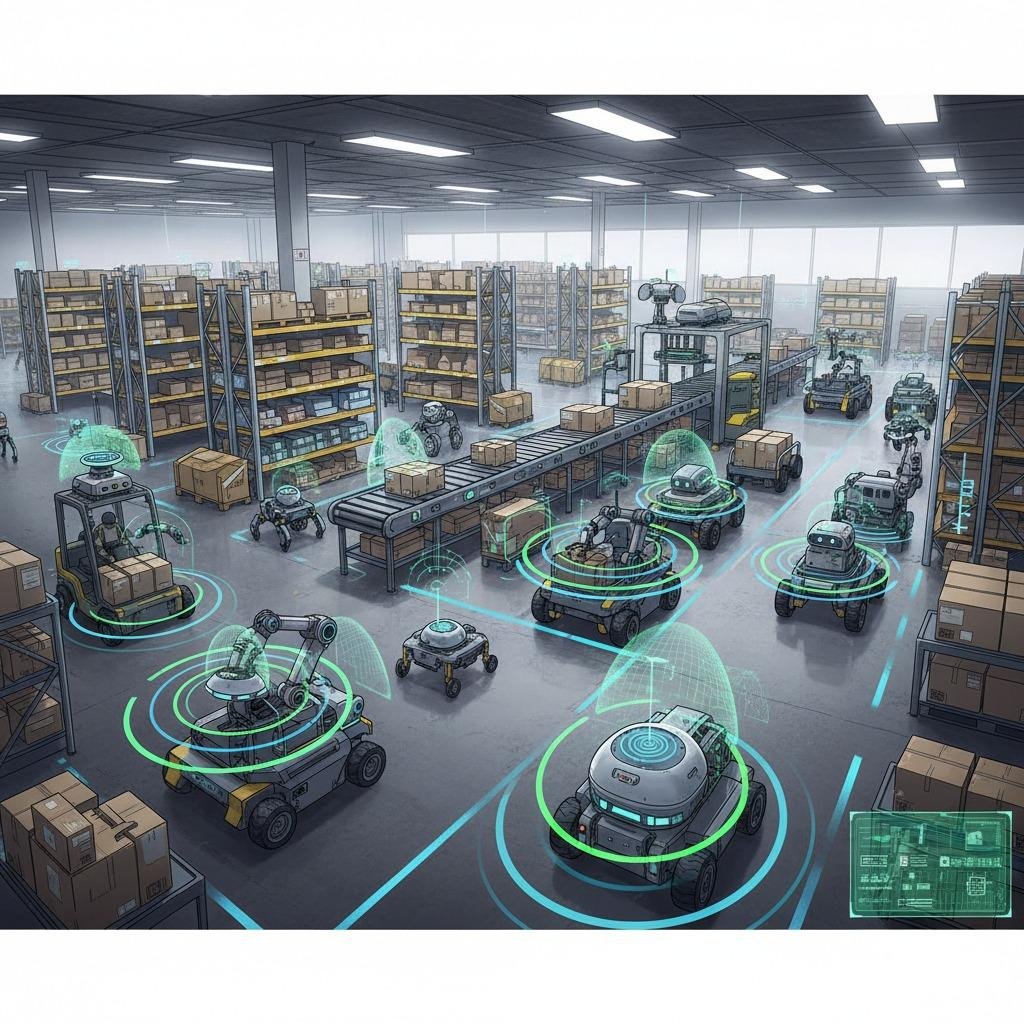
The warehouse robot radar is revolutionizing logistics and supply chain management as automation trends accelerate. With e-commerce booming and demands for faster fulfillment rising, warehouses are increasingly adopting robotic systems equipped with advanced radar technologies. This core sensing tool enables robots to navigate cluttered environments, avoid obstacles, and optimize operations in real-time. According to recent industry reports, the global warehouse automation market is projected to grow by over 15% annually through 2028, driven by innovations in radar-based navigation. Companies leveraging warehouse robot radar are seeing significant efficiency gains, reducing human error and operational downtime.
Integration of Service Robot Radar Sensors
A key trend is the integration of service robot radar sensors into broader robotic ecosystems. These sensors provide 360-degree environmental awareness, crucial for multi-tasking robots in dynamic settings. Unlike traditional cameras or lidars, service robot radar sensors excel in low-light conditions and adverse weather, making them ideal for 24/7 warehouse operations. As robots evolve from simple pickers to versatile service units, radar technology ensures seamless interaction with human workers and other machinery. Market analysis indicates a surge in adoption, with sensor-equipped service robots cutting navigation errors by up to 40%. This trend is particularly evident in large-scale fulfillment centers where precision and reliability are paramount.
Advancements in Inspection Robot Radar
Inspection robot radar is another burgeoning area, focusing on proactive maintenance and safety monitoring within warehouses. These specialized radars allow robots to scan for structural issues, inventory discrepancies, or potential hazards without interrupting workflows. Trends show a shift towards AI-enhanced inspection systems, where radar data feeds into predictive analytics platforms. For instance, leading logistics firms are deploying inspection robot radar to conduct nightly audits, minimizing costly disruptions. This not only boosts asset longevity but also aligns with sustainability goals by optimizing energy use. As regulatory pressures for safer workplaces increase, the demand for robust inspection capabilities is expected to double in the next few years.
Indoor Robot Detection Radar Innovations
Indoor robot detection radar is transforming how robots perceive and interact in confined spaces. This technology uses millimeter-wave signals to detect objects, people, and even subtle movements indoors, addressing challenges like signal interference from metal shelves or packaging. Current trends highlight its role in enhancing collision avoidance and path planning, essential for high-density storage environments. Innovations in miniaturization are making indoor robot detection radar more affordable and integrable, spurring widespread adoption among small to medium enterprises. Industry forecasts predict that by 2025, over 60% of new warehouse robots will incorporate this radar type, fostering safer and more efficient indoor navigation.
The Rise of Autonomous Robot Navigation Radar
Finally, autonomous robot navigation radar stands out as the pinnacle of these trends, enabling fully independent robotic fleets. By combining radar with machine learning algorithms, robots can make split-second decisions, adapting to changing layouts or unexpected obstacles. This is particularly transformative in just-in-time inventory systems, where delays can ripple through supply chains. Trends indicate a convergence with 5G connectivity, allowing radar-equipped robots to share data across networks for coordinated movements. As warehouses scale up, autonomous robot navigation radar is key to achieving hyper-efficiency, with early adopters reporting up to 30% increases in throughput. Looking ahead, this technology will underpin the next wave of smart logistics, blending human oversight with robotic precision for a resilient future.