




terrain following
Home
terrain following

EXPLORE
Millimeter Wave Radar Solutions

1. Why takeoff and landing assistance matters more than it looks 2. What the feature is really doing 3. Quick-reference view: what buyers should look for 4. Common technologies and where each one helps 4.1 Proximity sensing 4.2 Hovering accuracy 4.3 Terrain following 4.4 Low-altitude obstacle mapping 5. Selection criteria that are easy to overlook 6. Practical advice for sourcing and product teams 7. FAQ 8. A sensible next step
 Ningbo Linpowave
1.Overcoming Challenges in Low-Altitude Obstacle Mapping for Safer Drone Operations 2.Enhancing Detection with Proximity Sensing 3.Improving Stability Through Terrain Following 4.Boosting Precision with Hovering Accuracy 5.Streamlining Operations with Takeoff and Landing Assistance
Ningbo Linpowave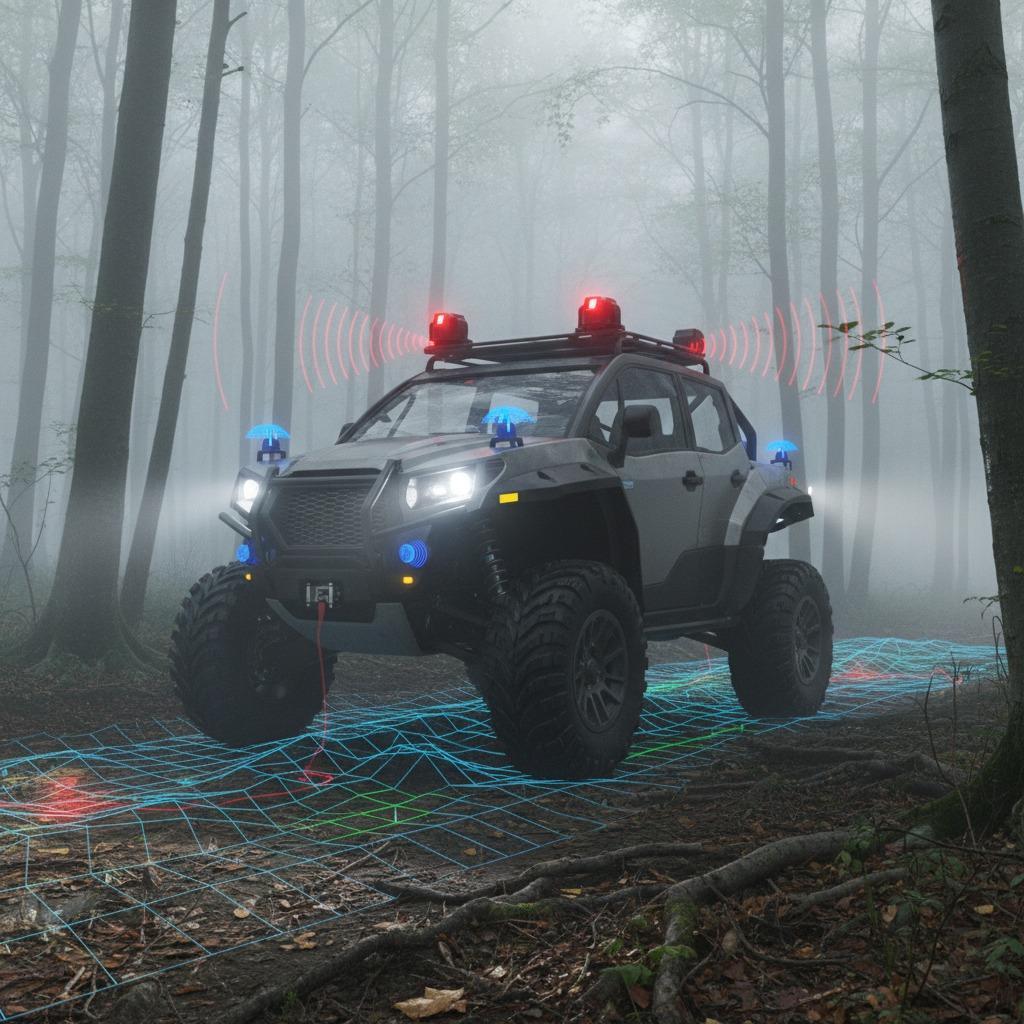
1.Overcoming Visibility Challenges 2.Addressing Terrain Navigation Issues 3.Enhancing Object Detection and Classification 4.Building Comprehensive 3D Maps and Detecting Obstacles 5.Integrating Solutions for Superior Performance
Ningbo Linpowave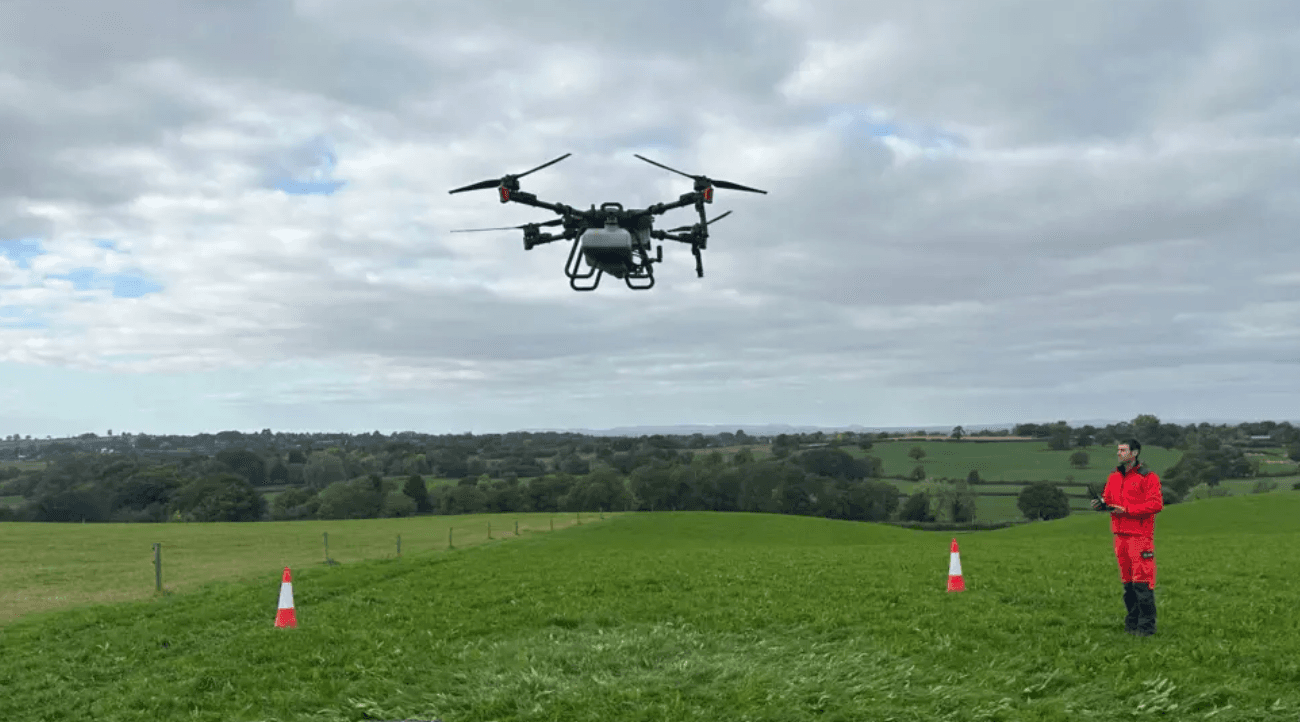
LinpoWave 4D millimeter-wave radar equips agricultural drones with precise, all-weather sensing. It measures distance, speed, and both horizontal and vertical angles, allowing 160 kg drones to navigate fields safely with 0.2 m accuracy and a 350 m range. The radar supports autonomous flight, terrain following, crop monitoring, and targeted spraying, helping farmers improve efficiency, reduce chemical use, and operate safely even in fog, dust, or spray. Its capabilities also enable coordinated drone swarms, making large-scale farming more precise and sustainable.
Ningbo Linpowave