




lightweight sensor
Home
lightweight sensor

EXPLORE
Millimeter Wave Radar Solutions
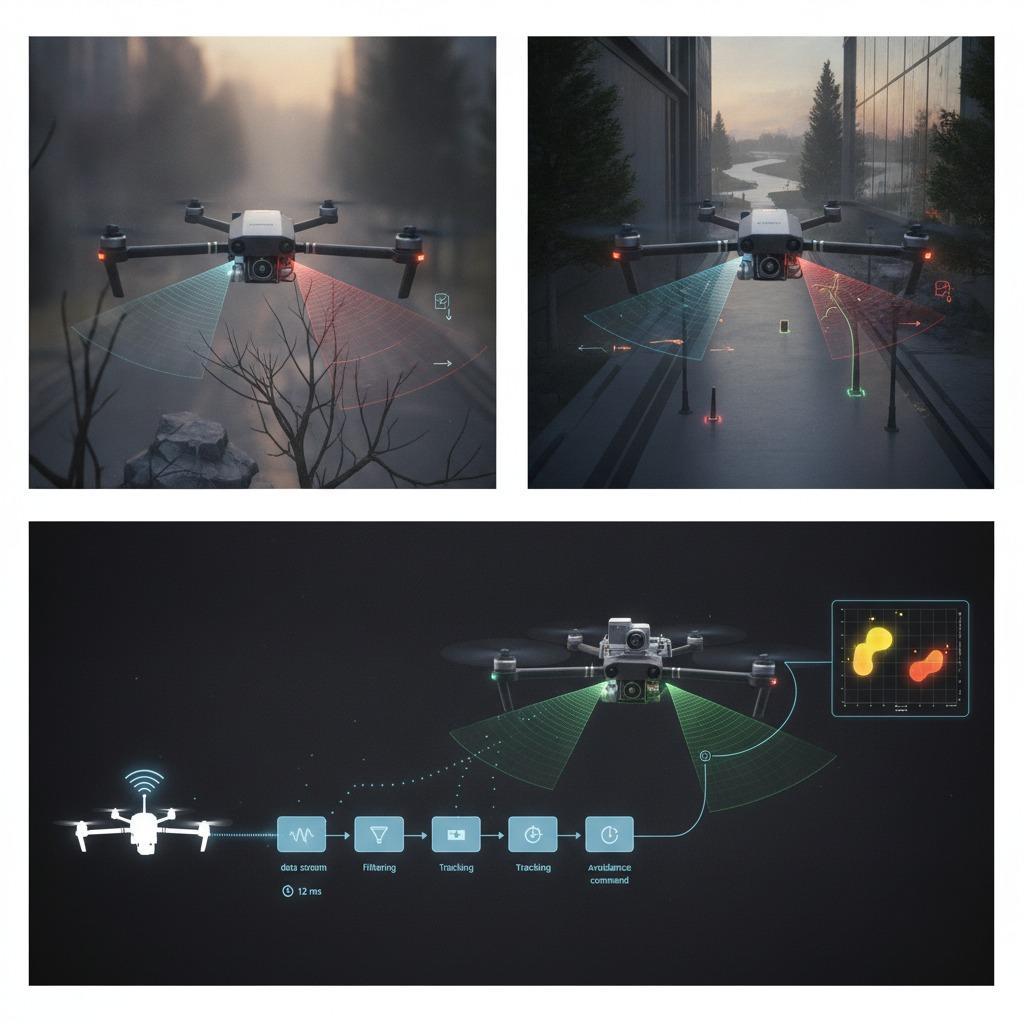
1. Why mmWave radar keeps showing up in drone design reviews 2. What mmWave radar is good at, and where it is not 3. Quick reference: how the trade-offs usually look 4. Obstacle detection is the real buying question 5. How to think about drone collision avoidance in system terms 6. Common mistakes engineers and sourcing teams still make 7. Practical buyer advice before you commit 8. FAQ: a few questions teams ask late in the project 9. A sensible next step
 Ningbo Linpowave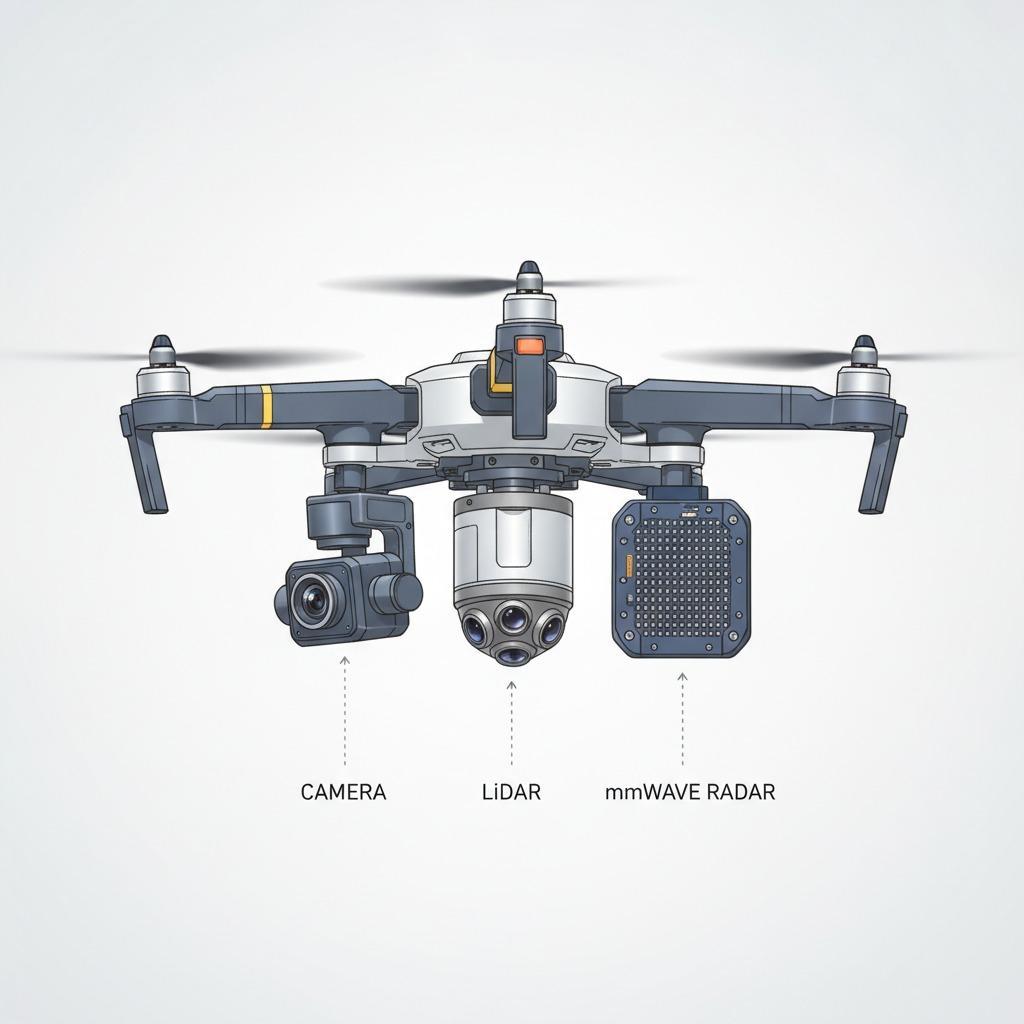
1. Why drone collision avoidance has become a design issue, not just a feature 2. What buyers really need to solve 3. Common sensing approaches and where they fit 4. Why range-Doppler mapping matters 5. Selection criteria that deserve more attention than they usually get 6. Typical mistakes in drone collision avoidance programs 7. Practical buyer advice 8. What to ask your engineering or supplier team 9. Next step
Ningbo Linpowave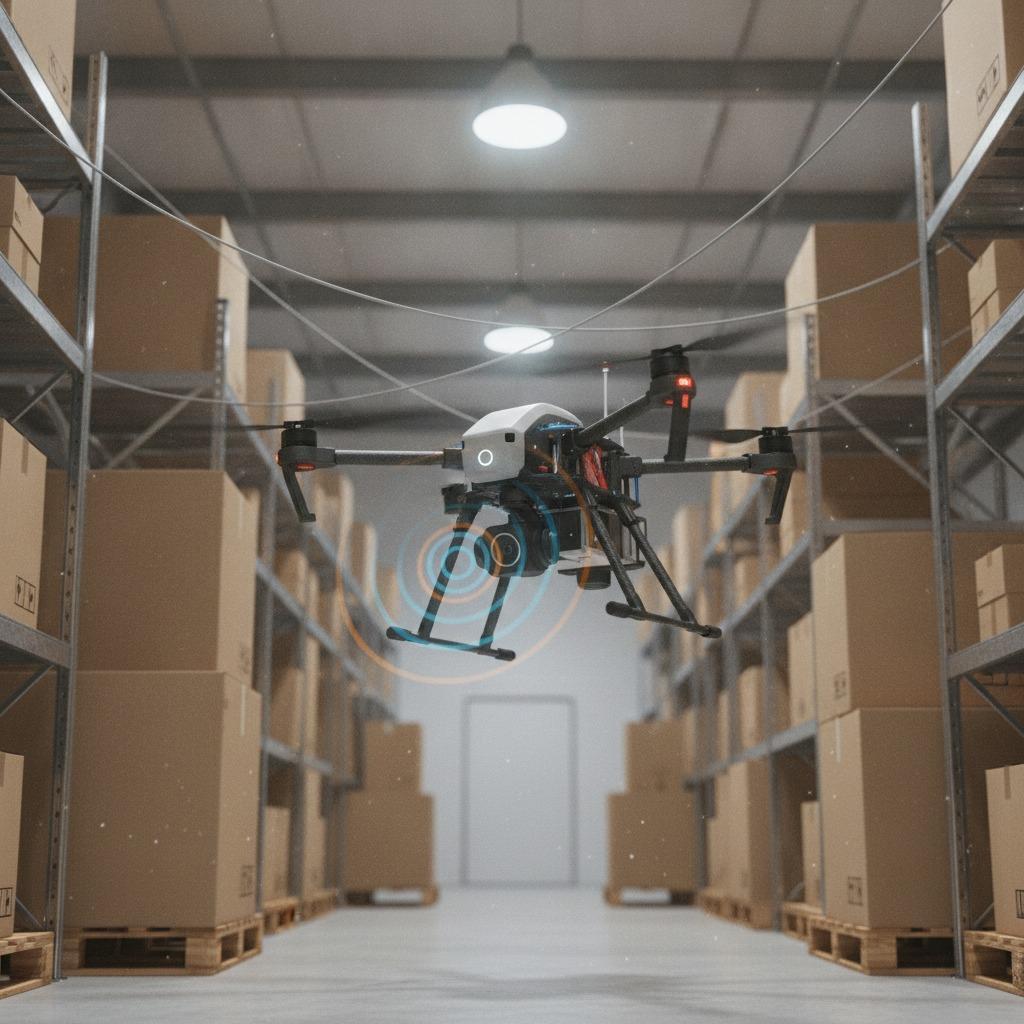
1. Why drone collision avoidance has moved from nice-to-have to design priority 2. The core challenge: seeing enough without adding too much weight 3. What radar contributes that cameras often cannot 4. Quick comparison: where different approaches tend to fit 5. Selection criteria buyers should not skip 6. Common mistakes in drone collision avoidance projects 7. What a good buying decision looks like 8. FAQ
Ningbo Linpowave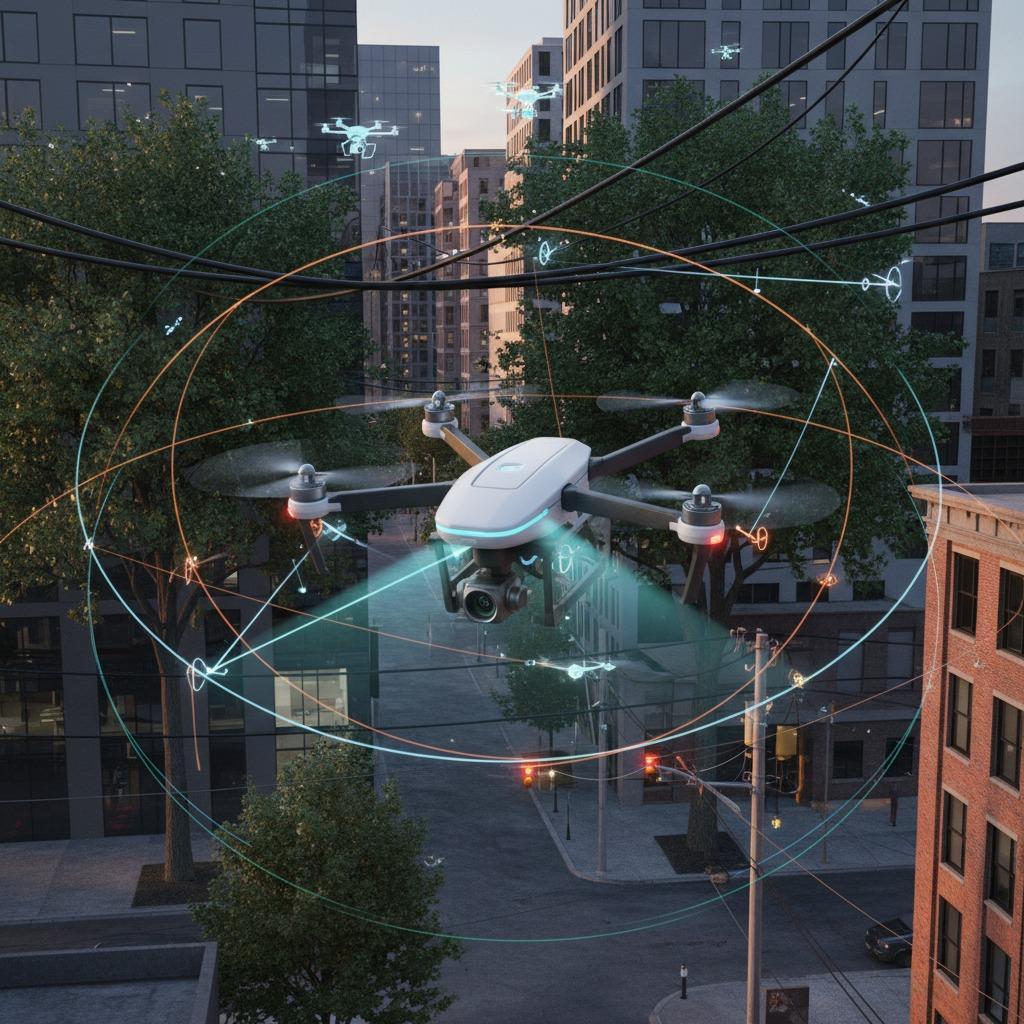
1. Understanding the Problem: Why Current Drone Navigation Falls Short 2. Key Solutions: Integrating Obstacle Detection and Advanced Sensors 3. Leveraging mmWave Radar and Range-Doppler Mapping for Precision 4. Implementing Robust Strategies for Future-Proof Drones
Ningbo Linpowave
1. Challenges of Efficient Perception in Drone Operations 2. Solving weight limitation issues by integrating millimeter-wave radar. 3. Unlock high resolution and distance Doppler functions 4. Practical solutions for drone deployment 5. Leveraging innovative sensor technologies for the future
Ningbo Linpowave