




Linpowave mmWave radar manufacturer
Home
Linpowave mmWave radar manufacturer

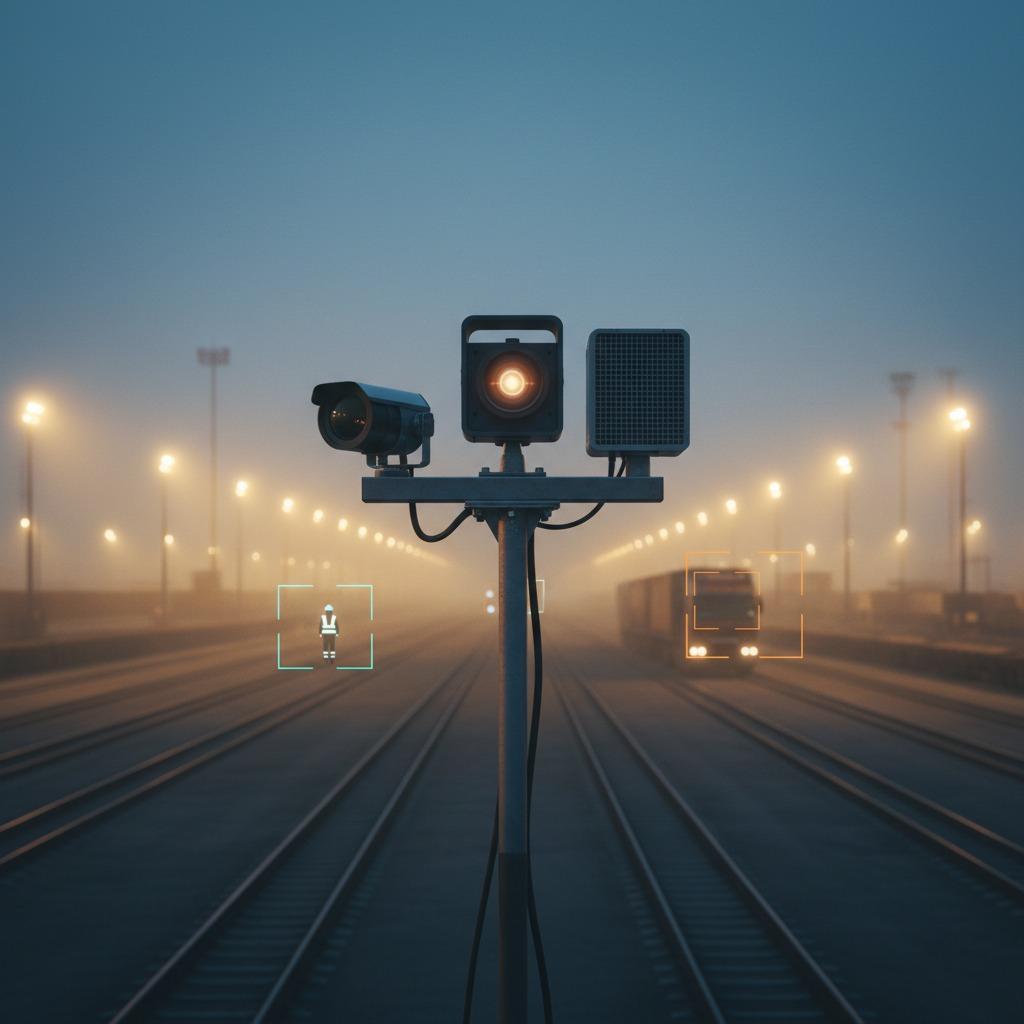
1. The Breakdown of Optical Re-Identification in Field Environments 2. The Architecture: Bridging Visible, Thermal, and Radar Streams 3. The Calibration Debt: Where Most Deployments Stumble 4. Evaluating Edge Compute Against Latency Budgets 5. Practical Recommendations for Engineering Leads 6. Frequently Asked Questions 7. Next Steps for Deployment Teams
 Ningbo Linpowave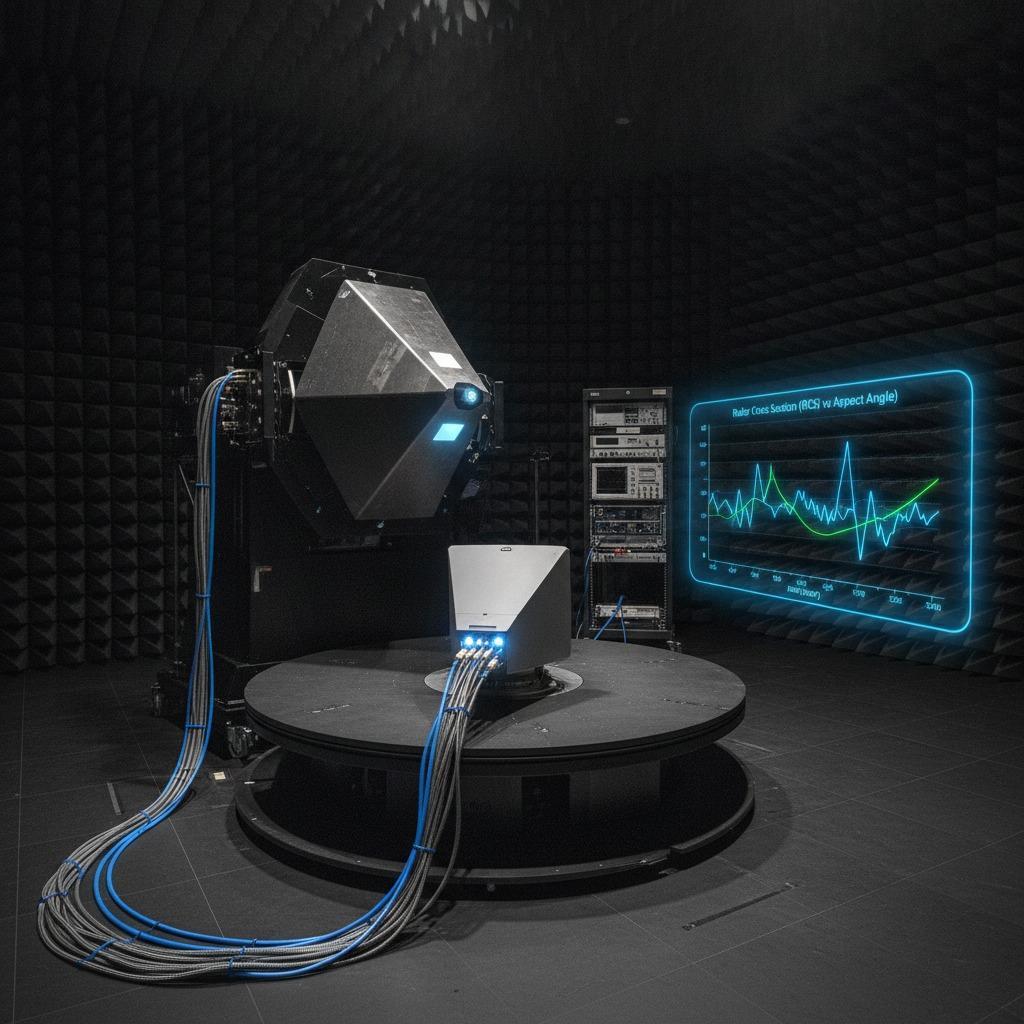
Intention prediction of moving objects Threat level assessment Collision risk calculation Maneuver planning assistance Predictive awareness for safe operation
Ningbo Linpowave
1. The Real-World Bottlenecks of Linear Chirp Architectures 2. Evaluating Waveform Alternatives to Traditional FMCW 3. Dynamic Flexibility via Adaptive Waveform Selection 4. Practical Recommendations for Engineering and Sourcing Teams 5. Frequently Asked Questions 6. Next Steps for Your System Architecture
Ningbo Linpowave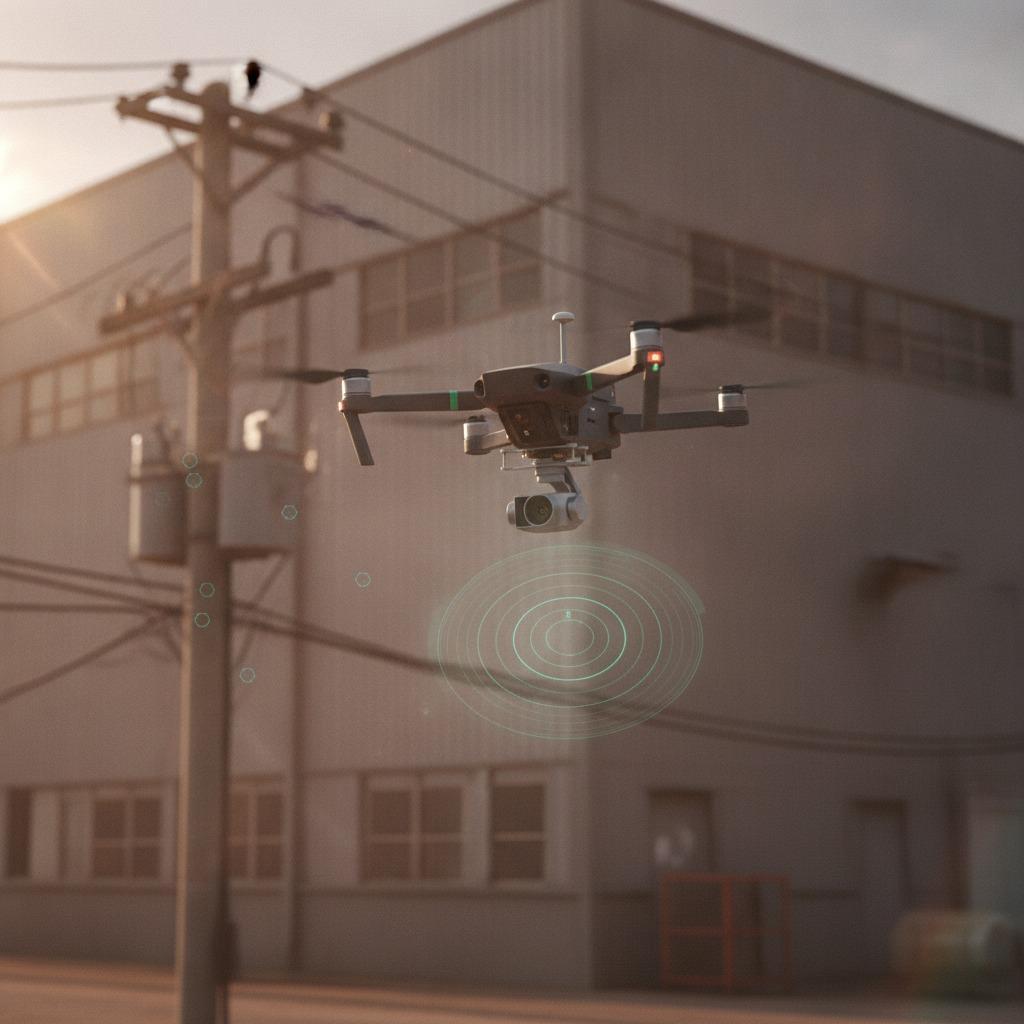
1. Solving Field-Level Drift: Why Thermal Stability Requires More Than a Thermistor 2. The Architecture of Modern Thermal Correction 3. Physical Stressors That Defeat Calibration Curves 4. Practical Evaluation Criteria for Sourcing Teams 5. Frequently Asked Questions 6. Next Steps for System Designers
Ningbo Linpowave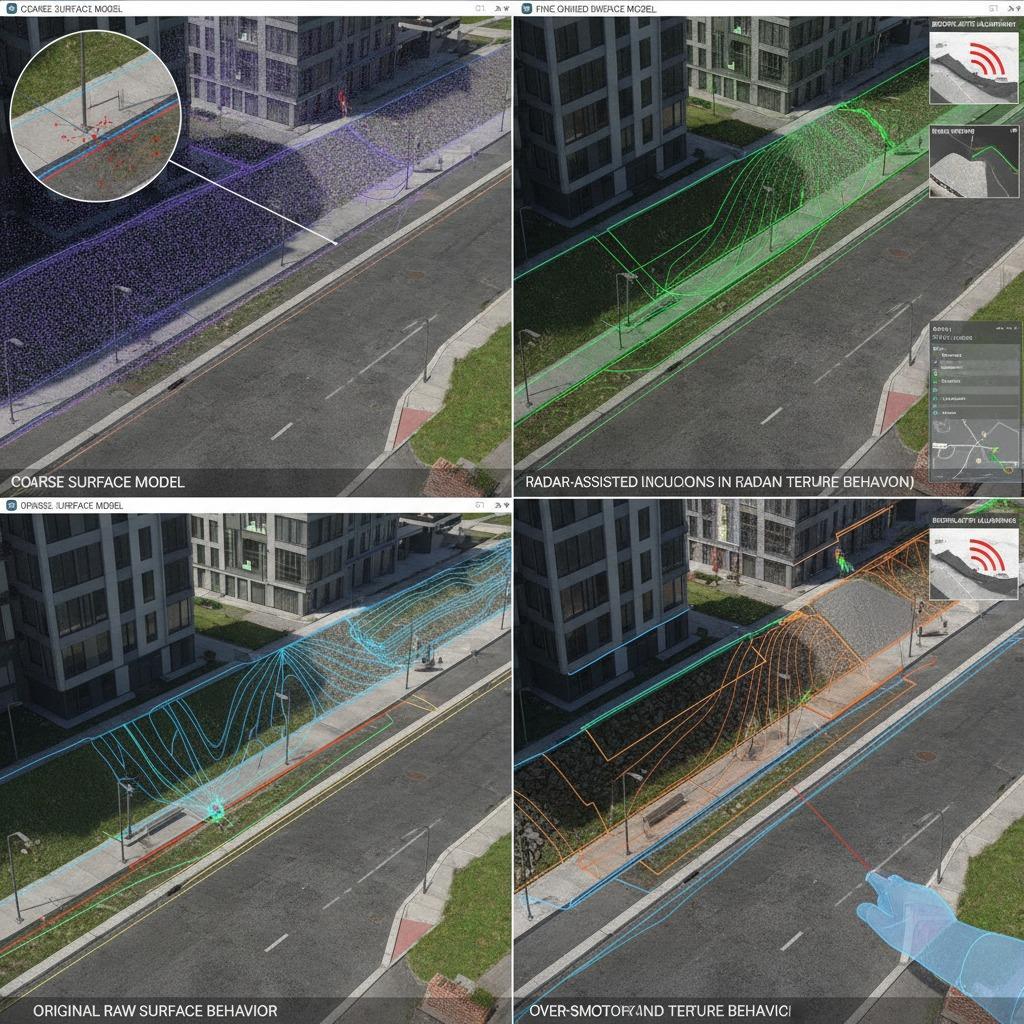
1. Overcoming Data Saturation in Tactical Sensor Architectures 2. The Architecture: Dynamic Task Prioritization at the Edge 3. Practical Applications Across Mission Profiles 4. Integration Pitfalls and Engineering Realities 5. Specifying Systems for Mission-Oriented Workflows 6. Frequently Asked Questions 7. Next Steps for Engineering Teams
Ningbo Linpowave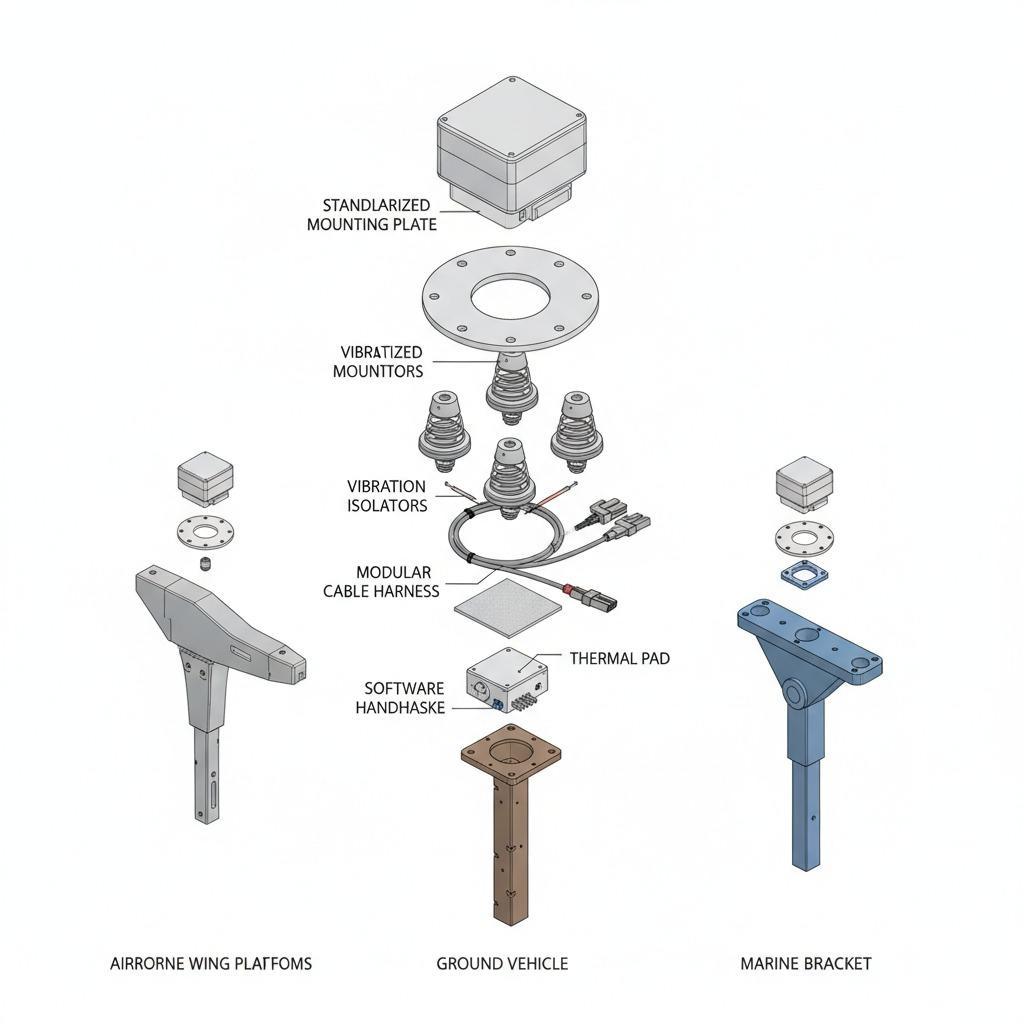
1. Why platform flexibility matters in sensing hardware 2. What a platform-agnostic sensing interface is trying to solve 3. Key design considerations buyers should not treat as afterthoughts 4. Common integration mistakes 5. How to evaluate a sensing interface before buying 6. What good looks like in practice 7. Practical buyer questions to ask suppliers 8. Next step for engineering and sourcing teams
Ningbo Linpowave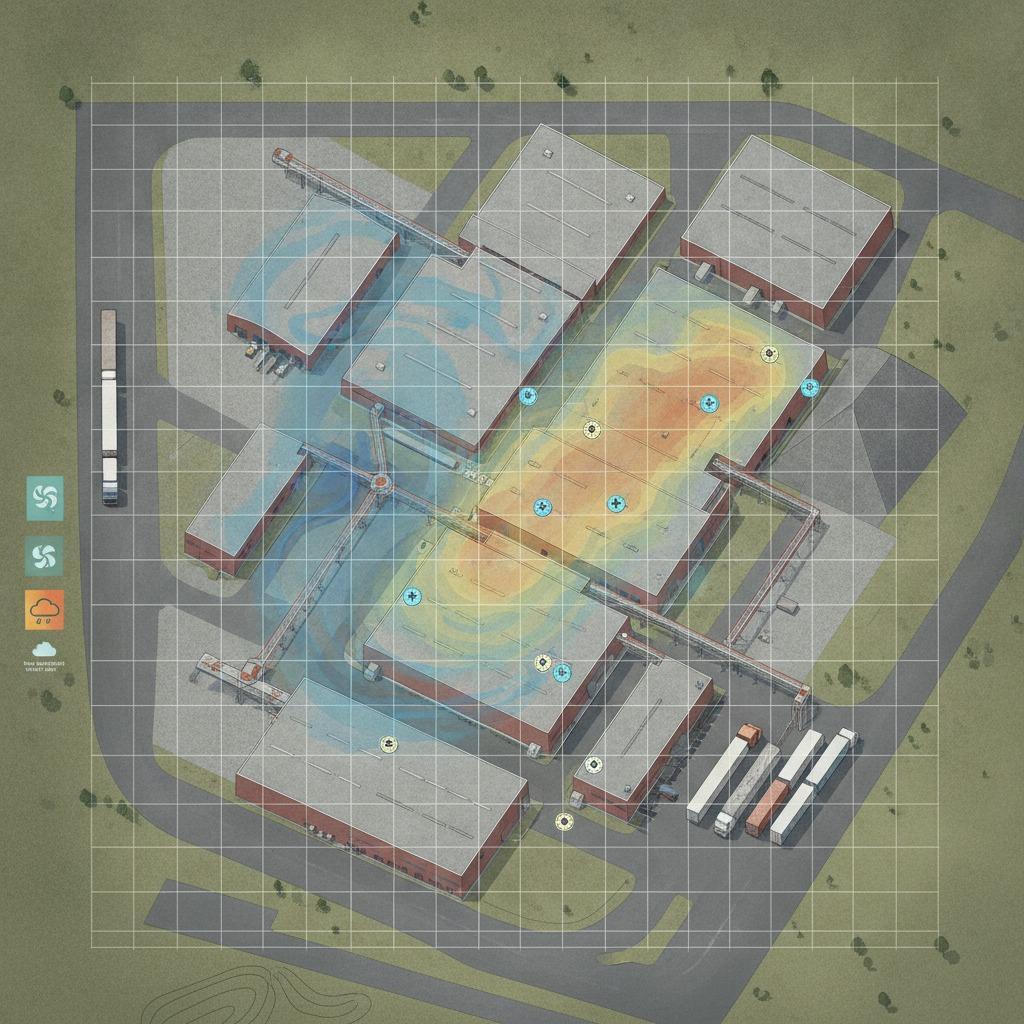
1. Why microclimate mapping matters when a single weather station is not enough 2. What the method is trying to solve 3. Useful inputs: the measurements that make the map credible 4. Quick reference: where microclimate mapping pays off 5. How to approach a mapping project without overcomplicating it 6. Selection criteria buyers should keep in mind 7. Common mistakes that make the data less useful 8. What a buyer should ask before moving forward 9. Where the next step usually goes
Ningbo Linpowave
1. Why radar-optical fusion architecture is moving from “nice to have” to design baseline 2. The basic choices: what kind of fusion are you really buying? 3. What radar contributes that optics cannot 4. Where projects go wrong 5. How to evaluate a radar-optical fusion design 6. Practical guidance for sourcing and product teams 7. FAQ: common buyer questions 8. A sensible next step
Ningbo Linpowave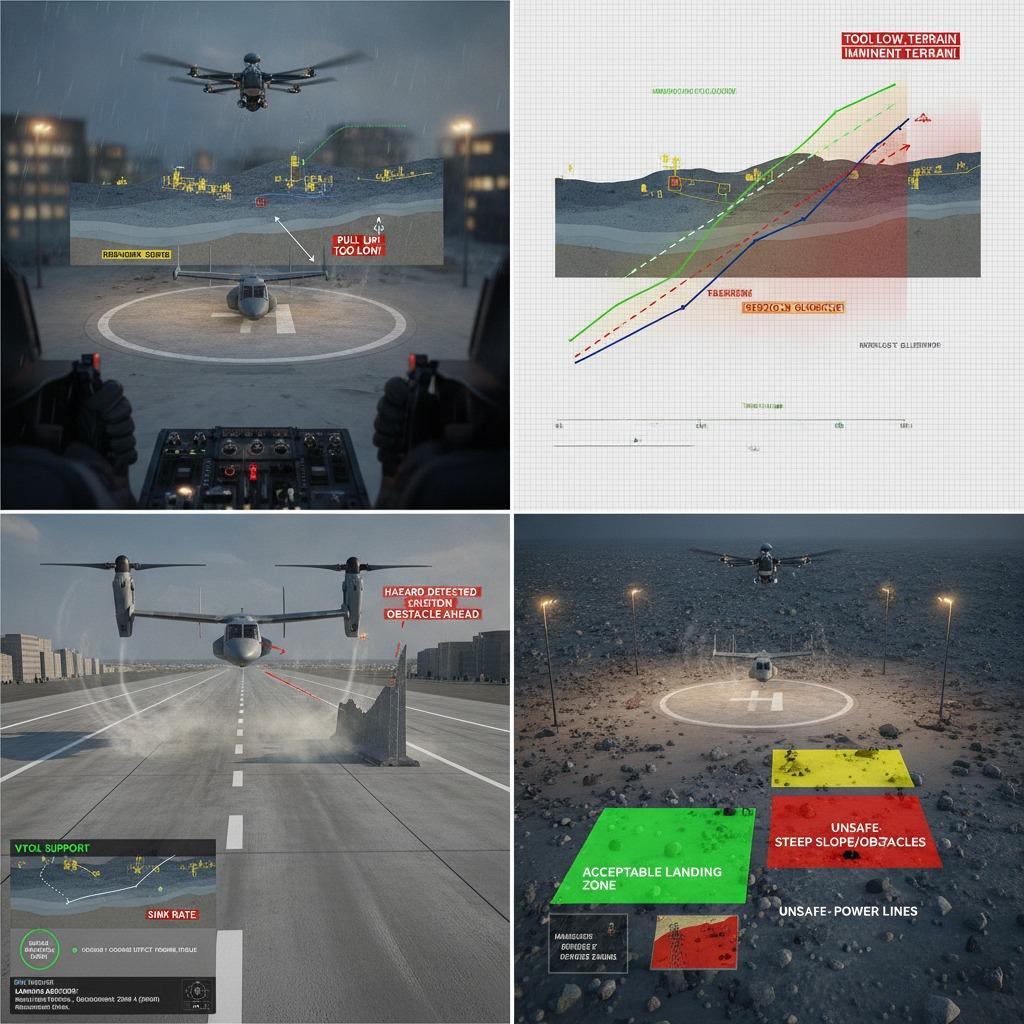
1. Why noise figure minimization matters in real systems 2. What the noise figure is really telling you 3. Quick comparison: where design effort usually pays off 4. Device and architecture choices that affect noise performance 5. Where software helps, and where it does not 6. Common mistakes that raise noise more than expected 7. How to choose the right approach 8. A useful next step for engineering teams
Ningbo Linpowave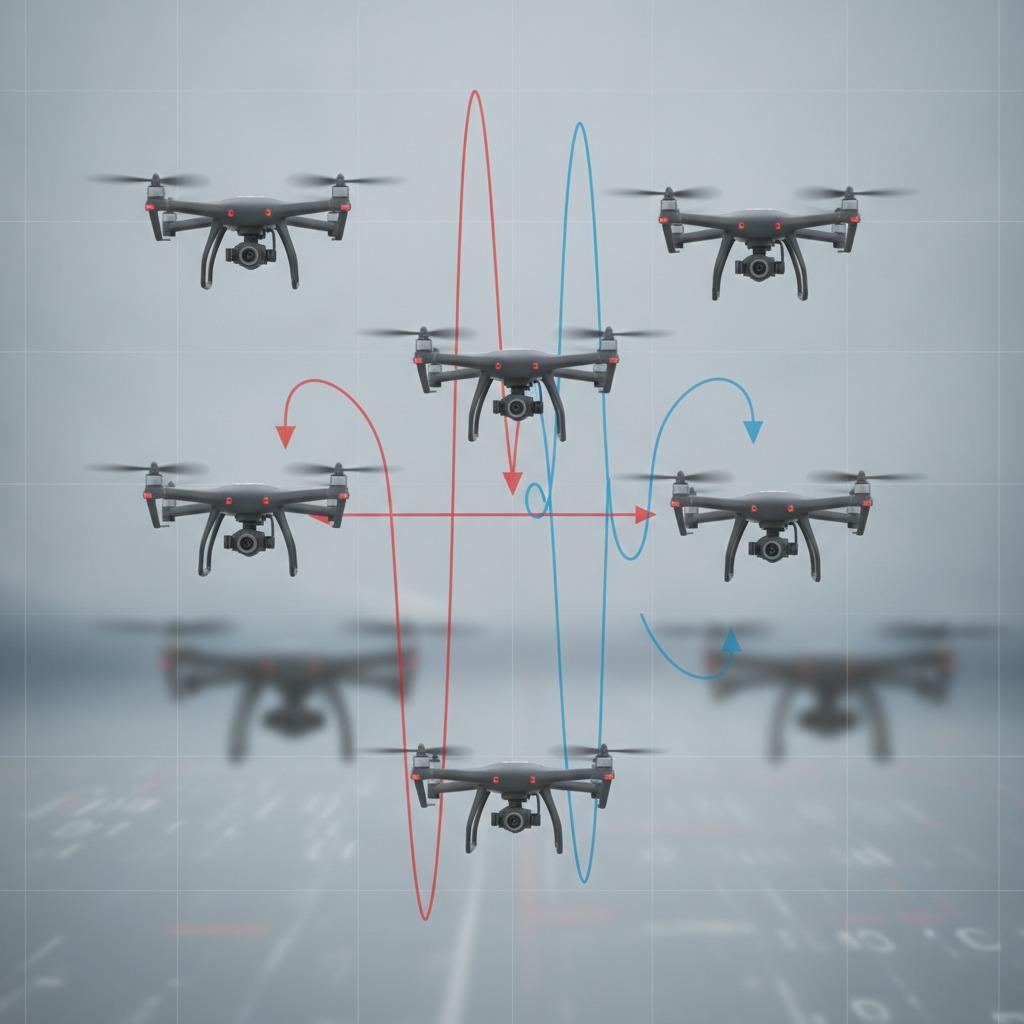
1. Why Low probability of intercept (LPI) matters in real systems 2. What buyers and engineers are really deciding 3. Common LPI methods and what they are good at 4. How to evaluate an LPI approach without overbuying 5. Typical mistakes teams make 6. Questions to ask suppliers and integrators 7. A practical next step
Ningbo Linpowave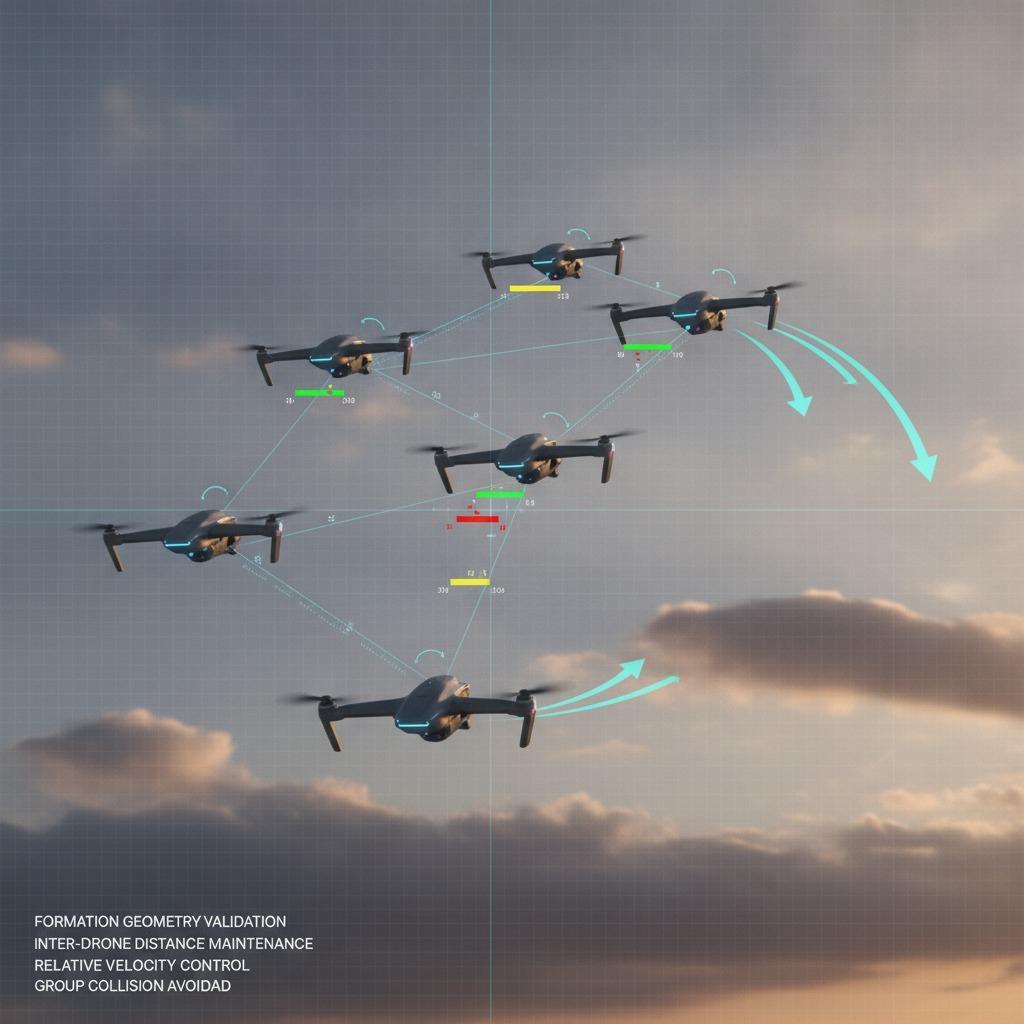
1. Why real-time environmental reconstruction matters on the plant floor 2. The core problem: environments change faster than many systems can track 3. What the reconstruction stack should deliver 4. How to compare solutions without getting lost in the demo 5. Practical selection criteria for buyers and engineers 6. Common mistakes that slow adoption 7. What a good next step looks like
Ningbo Linpowave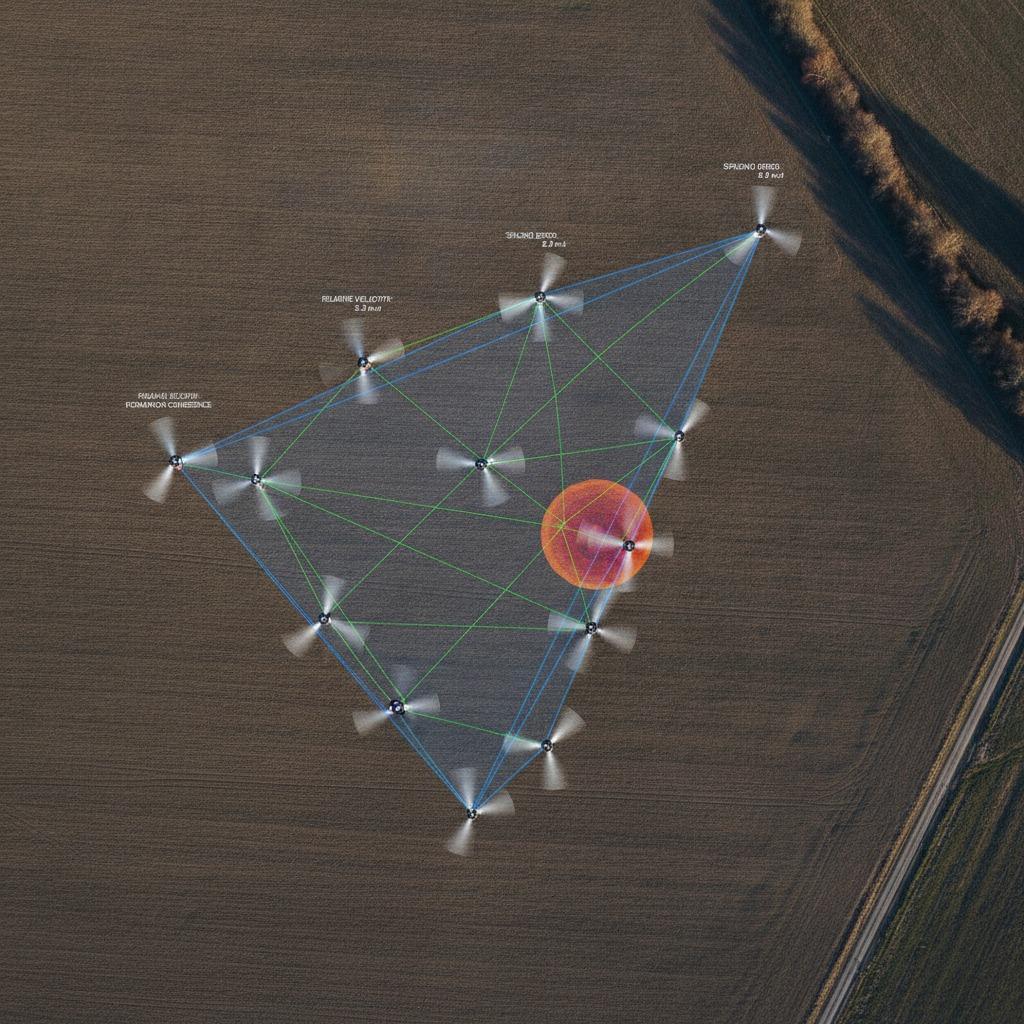
1. Why formation geometry validation matters before a drone fleet ever leaves the ground 2. The core problem: shape is easy in a lab, harder in motion 3. What engineers should validate first 4. Quick comparison: what different validation approaches tell you 5. Common mistakes buyers and project teams make 6. Practical buyer advice 7. FAQ: short answers that usually matter 8. A sensible next step
Ningbo Linpowave