




Real Time Monitoring
Home
Real Time Monitoring


1. Why complex airspace operation is a different engineering problem 2. What buyers usually need to separate before they commit 3. Where sense-and-avoid system design makes the biggest difference 4. Selection criteria that matter more than brochure language 5. Common mistakes in procurement and integration 6. Practical buying advice for engineering and sourcing teams 7. FAQ 8. Next step for buyers
 Ningbo Linpowave
1. Why a distributed sensing network matters when drones stop working alone 2. What problem this architecture is trying to solve 3. Quick reference: what buyers should look for 4. How distributed sensing changes fleet behavior 5. Selection criteria that deserve more attention than brochures give them 6. Common mistakes buyers make 7. What this means for product and sourcing teams 8. Next step
Ningbo Linpowave
1. Battery-Constrained Optimization: Why It Has Become a Design Decision, Not a Nice-to-Have 2. What Battery-Constrained Optimization Actually Means 3. Where the Energy Goes: A Quick Reference for Buyers and Engineers 4. Design Tactics That Usually Pay Off 5. How Low-Power Chipset Design Fits Into the Bigger Picture 6. Common Mistakes That Undercut Battery Life 7. What Buyers Should Ask Before Choosing a Solution 8. FAQ: Short Answers for Project Teams 9. Choosing the Next Step
Ningbo Linpowave
1. Why a complementary sensing modality matters in real systems 2. What problem this approach actually solves 3. Quick comparison: where different sensing pairs tend to help 4. Calibration-free fusion: useful goal, not magic shortcut 5. Selection criteria that matter more than spec sheets 6. Common mistakes buyers make 7. Practical buyer advice 8. What decision this article should help you make
Ningbo Linpowave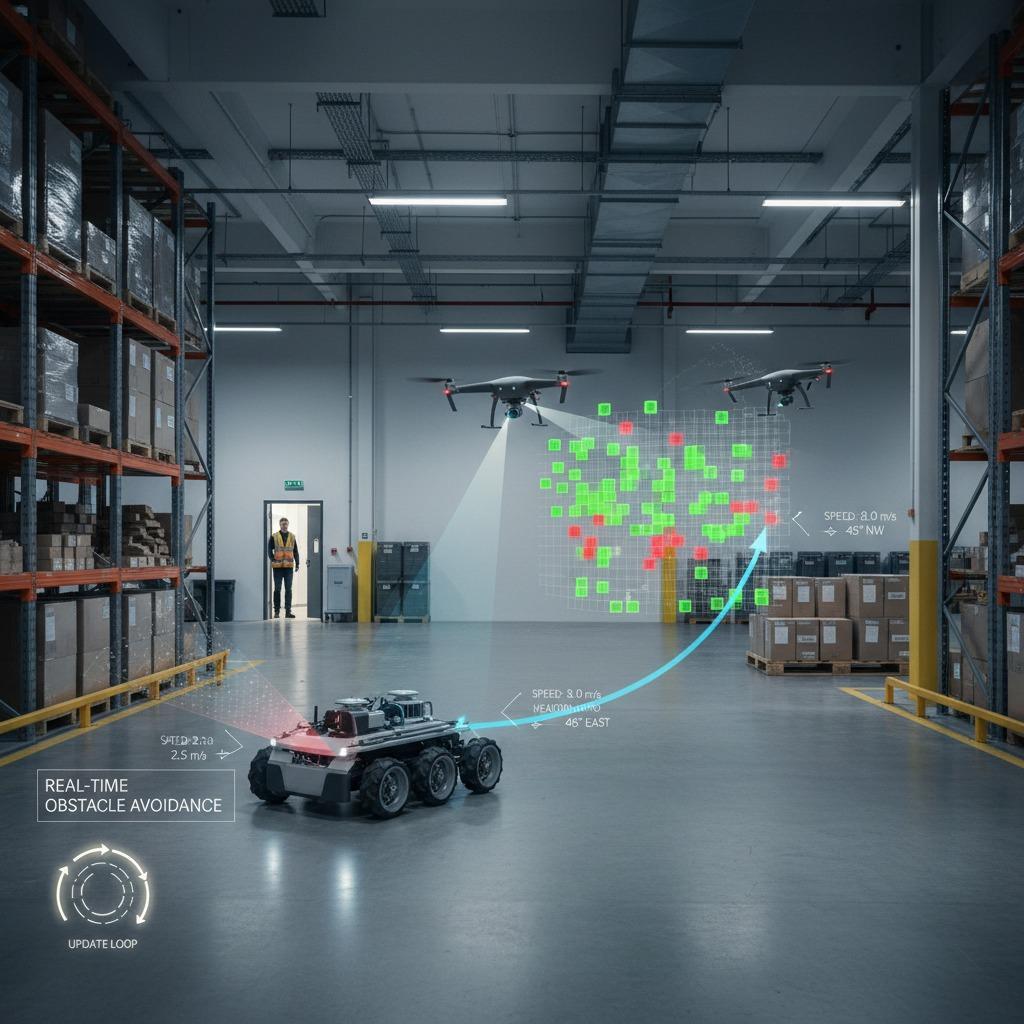
1. Why real-time obstacle avoidance matters in field robotics and UAV operations 2. The core problem: plans age faster than real environments 3. How the main avoidance stack usually works 4. What buyers should compare before choosing a system 5. Common mistakes that slow adoption 6. Practical buyer advice 7. FAQ: short answers buyers usually want 8. What a good next step looks like
Ningbo Linpowave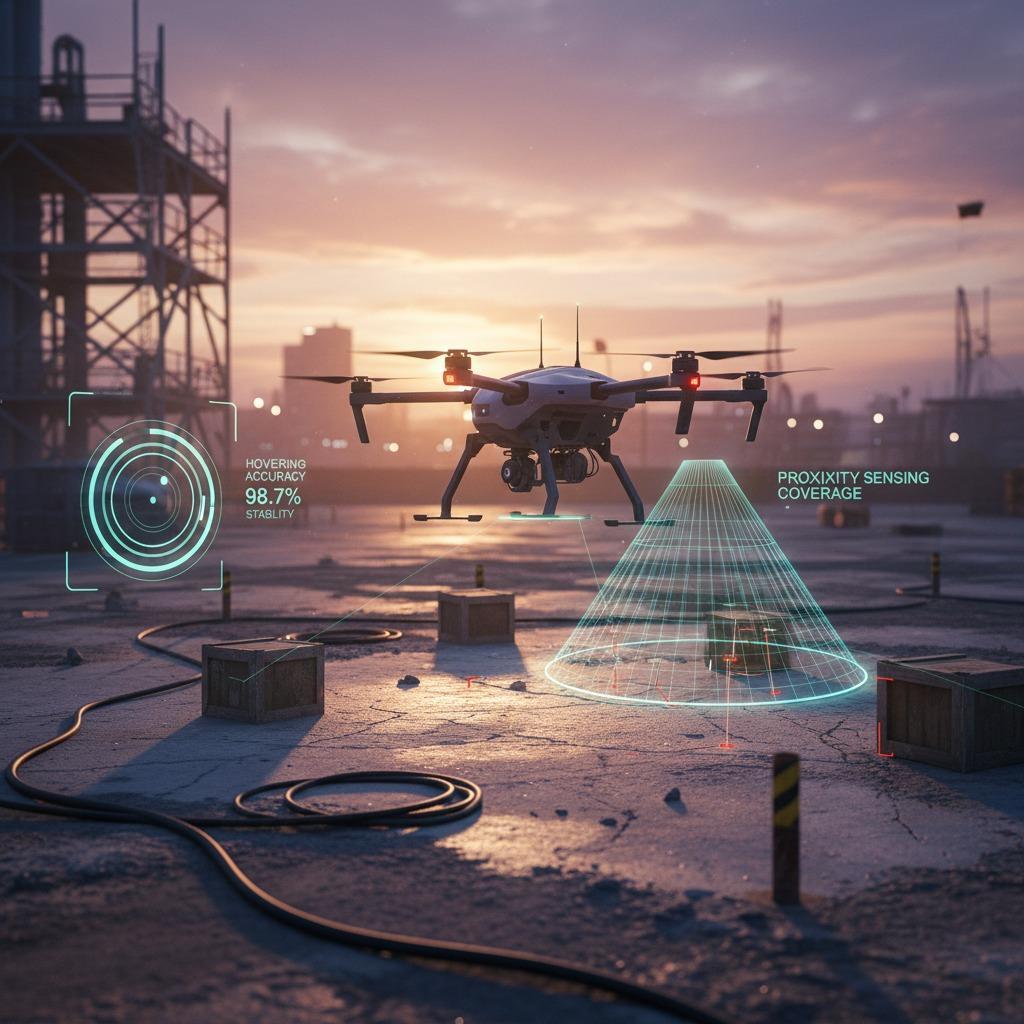
1. Why takeoff and landing assistance matters more than it looks 2. What the feature is really doing 3. Quick-reference view: what buyers should look for 4. Common technologies and where each one helps 4.1 Proximity sensing 4.2 Hovering accuracy 4.3 Terrain following 4.4 Low-altitude obstacle mapping 5. Selection criteria that are easy to overlook 6. Practical advice for sourcing and product teams 7. FAQ 8. A sensible next step
Ningbo Linpowave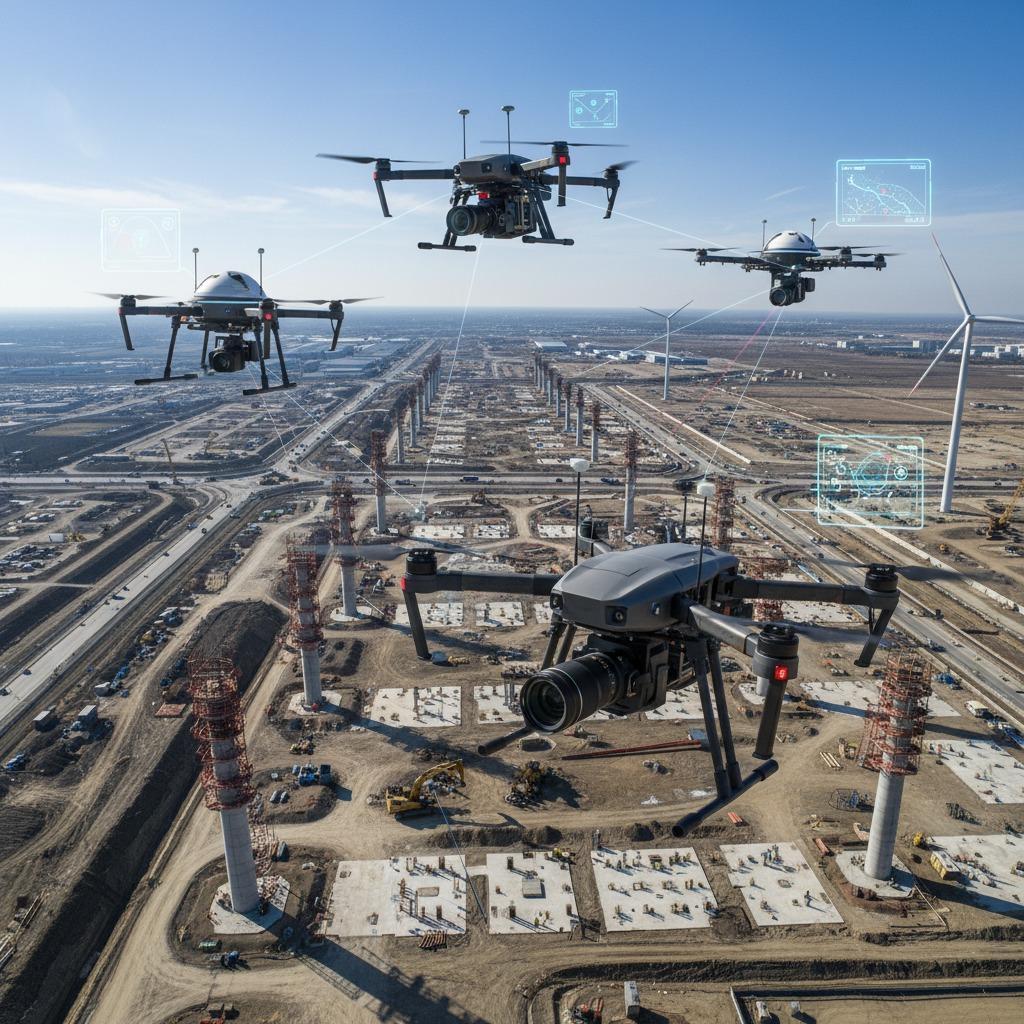
1. Why a distributed sensing network matters when drones stop behaving like single machines 2. What problem the architecture is trying to solve 3. Quick reference: what buyers usually need to compare 4. How collaborative perception changes the design brief 5. Where formation flying support fits in 6. Inter-drone ranging and why it is easy to overvalue 7. Selection criteria that usually matter most 8. Common mistakes teams make 9. Practical buyer advice 10. What this decision really helps you make 11. FAQ
Ningbo Linpowave
1. Why reliability under GNSS-denied conditions is no longer a niche requirement 2. The practical problem: what breaks first when GNSS drops out 3. What buyers should look for first 4. How to think about solution architecture 5. Selection criteria by use case 6. Common mistakes teams still make 7. What a good buyer should ask next 8. FAQ 9. A practical next step
Ningbo Linpowave
1. Why false alarms still cost real money in sensing and inspection workflows 2. What tends to drive false alarms 3. Signal quality matters before software can help 4. Where synthetic aperture radar imaging fits in 5. Practical ways teams reduce false alarms 6. Common buyer mistakes 7. What decision this article should help you make 8. FAQ 9. Next step for buyers and engineers
Ningbo Linpowave
1. The Challenge of Real-Time Tracking in Dynamic Environments 2. Solutions for Stationary vs Dynamic Object Separation 3. Enhancing Velocity Estimation for Precise Real-Time Tracking 4. Overcoming Limitations with Moving Target Discrimination and High-Resolution Imaging 5. Integrating Solutions for Optimal Real-Time Tracking Performance
Ningbo Linpowave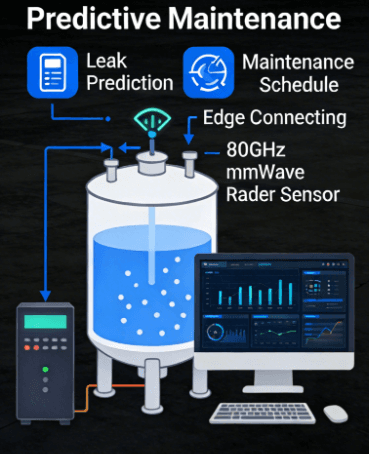
Discover how edge computing and 80GHz mmWave radar transform liquid level monitoring from reactive alarms to predictive maintenance in Industrial IoT, improving efficiency, safety, and asset longevity.
Ningbo Linpowave
Millimeter-wave radar empowers real-time decision making for drones, robots, and traffic systems. Discover how radar enhances safety, perception, and efficiency in dynamic environments.
Ningbo Linpowave